
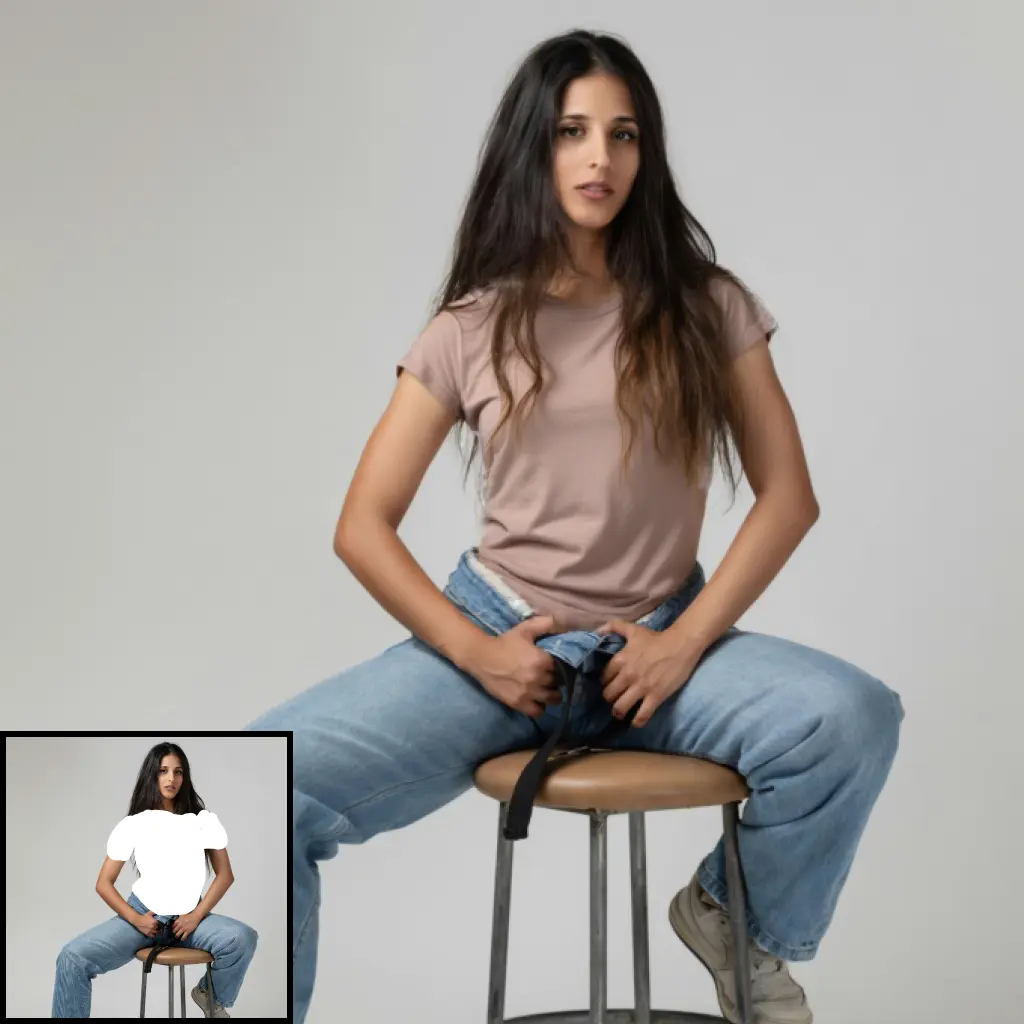
🎬 Veo 3.1 Image to Video:
The Veo31ImageToVideo node is designed to transform a static image into a dynamic 8-second video using the Veo 3.1 model. This node is particularly useful for artists and creators who wish to bring their static images to life with motion and audio. It offers three model variants to cater to different needs: standard quality with audio, a faster processing option, and a lightweight version for lower cost. The node also provides the flexibility to specify an optional ending frame, allowing for a seamless transition from the first to the last frame, enhancing the storytelling aspect of the video. By leveraging advanced AI techniques, this node simplifies the process of video creation from images, making it accessible to users without requiring extensive technical knowledge.
🎬 Veo 3.1 Image to Video Input Parameters:
image
The image parameter is a required input that serves as the starting frame for the video. It is the static image that you want to animate into a video. This parameter is crucial as it forms the basis of the video content, and the quality and composition of this image will directly impact the final video output. There are no specific minimum or maximum values for this parameter, but it should be a valid image format supported by the node.
last_image
The last_image parameter is an optional input that allows you to specify an ending frame for the video. This feature enables a first-to-last frame mode, where the video transitions smoothly from the starting image to this specified ending image. If not provided, the video will loop back to the starting frame. This parameter is useful for creating a narrative or ensuring a specific visual conclusion to the video. Like the image parameter, it should be a valid image format.
🎬 Veo 3.1 Image to Video Output Parameters:
video_url
The video_url output provides a link to the generated video. This URL is essential as it allows you to access and download the final animated video created from the input image(s). The video is hosted online, making it easy to share or embed in other platforms.
first_frame
The first_frame output is an image tensor representing the first frame of the generated video. This output is useful for previewing the video content without downloading the entire video file. It provides a quick visual reference to ensure the video starts as expected.
request_id
The request_id output is a unique identifier for the video generation request. This ID is important for tracking and managing the request, especially if you need to troubleshoot or follow up on the video generation process. It serves as a reference point for any interactions with the API or support.
🎬 Veo 3.1 Image to Video Usage Tips:
- To achieve the best results, ensure that the starting image is of high quality and well-composed, as this will directly affect the video output.
- Experiment with the
last_imageparameter to create videos with a clear narrative or visual story, enhancing the viewer's experience.
🎬 Veo 3.1 Image to Video Common Errors and Solutions:
"api_key is required."
- Explanation: This error occurs when the API key is not provided or is empty. The API key is necessary for authenticating requests to the video generation service.
- Solution: Ensure that you have entered a valid API key in the appropriate field before submitting the request.
"Could not decode first frame"
- Explanation: This error indicates that there was an issue retrieving or processing the first frame of the video from the URL.
- Solution: Check the video URL for correctness and ensure that the video file is accessible and not corrupted. If the problem persists, try regenerating the video.