
🐎 HappyHorse 1.0 Reference-to-Video:
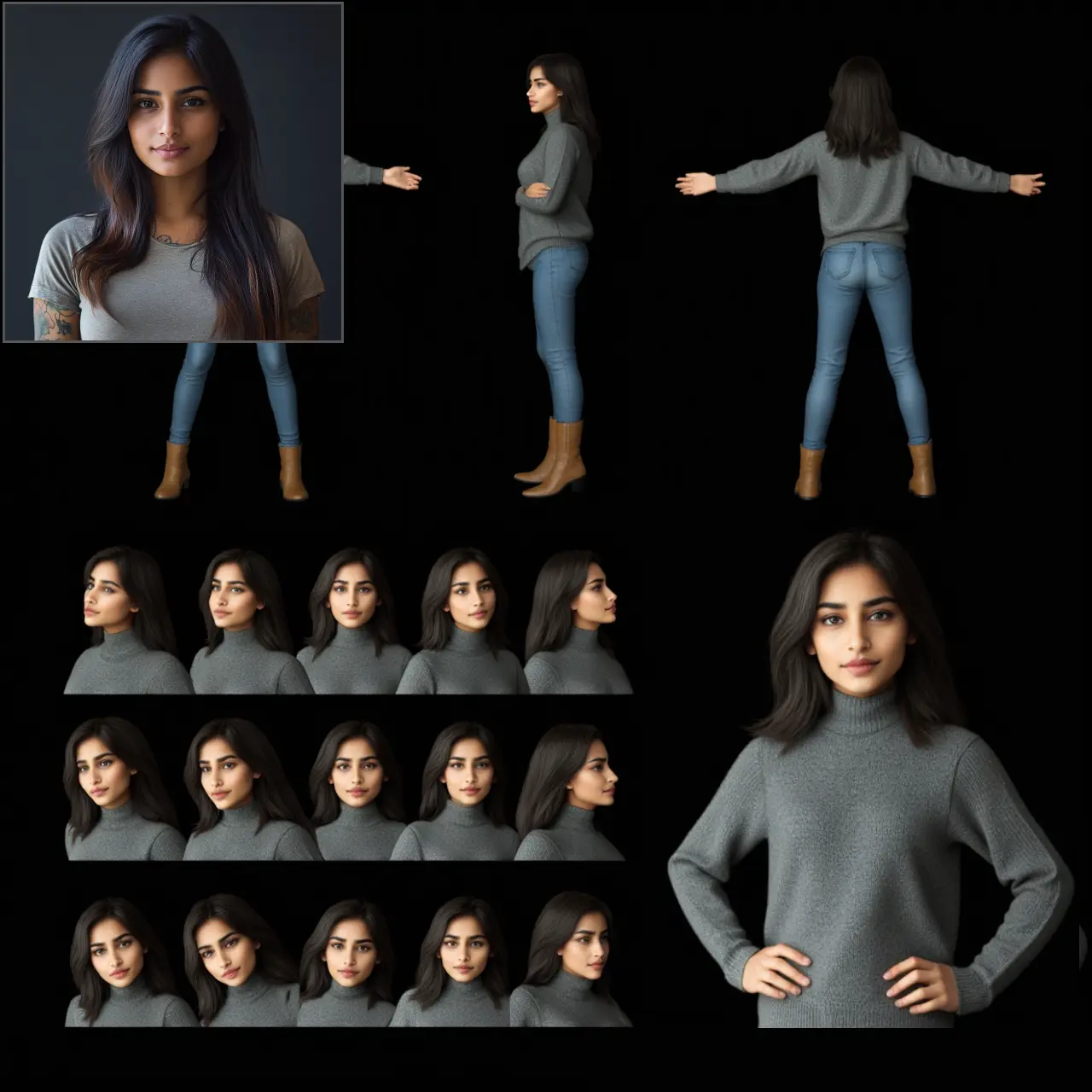
The HappyHorseReferenceToVideo node is designed to generate a video using the HappyHorse 1.0 model by leveraging a text prompt and up to nine reference images. Each reference image serves as a style or subject guide, helping to define the characters, environments, or overall look of the video. This node is particularly beneficial for creating videos that require specific stylistic elements or subjects, as it allows for a high degree of customization and creativity. By combining textual descriptions with visual references, users can produce videos that closely align with their artistic vision, making it a powerful tool for AI artists looking to create unique and personalized video content.
🐎 HappyHorse 1.0 Reference-to-Video Input Parameters:
prompt
The prompt parameter is a textual description that guides the video generation process. It serves as the primary narrative or thematic element that the video will follow. The prompt should be clear and descriptive to ensure the generated video aligns with the intended concept. There are no strict minimum or maximum length requirements, but a well-crafted prompt can significantly impact the quality and relevance of the output.
images_list
The images_list parameter consists of URLs of reference images that influence the style and subjects of the video. You can provide between 1 to 9 images, with each image contributing to the visual elements of the video, such as character design or environmental aesthetics. The minimum number of images is 1, and the maximum is 9. Providing a diverse set of images can enhance the richness and detail of the video.
aspect_ratio
The aspect_ratio parameter determines the width-to-height ratio of the video. This setting affects the video's framing and composition, allowing you to tailor the visual presentation to specific formats or platforms. Common aspect ratios include 16:9 for widescreen and 4:3 for traditional formats. The choice of aspect ratio should align with the intended viewing experience.
duration
The duration parameter specifies the length of the video in seconds. It defines how long the generated video will play, impacting the amount of content and detail that can be included. The duration should be set according to the complexity of the prompt and the desired depth of the video narrative. There is no explicit minimum or maximum value provided, but longer durations allow for more elaborate storytelling.
seed
The seed parameter is an optional integer that ensures the reproducibility of the video generation process. By setting a specific seed value, you can achieve consistent results across multiple runs with the same input parameters. This is particularly useful for iterative design processes where slight variations need to be controlled.
🐎 HappyHorse 1.0 Reference-to-Video Output Parameters:
url
The url parameter provides the web address where the generated video can be accessed and viewed. This output is crucial as it allows you to retrieve and share the final video product. The URL is typically a direct link to the video file hosted on a server.
first_frame
The first_frame parameter offers a preview image of the first frame of the generated video. This output is useful for quickly assessing the video's initial appearance and ensuring it aligns with the intended style and content before viewing the entire video.
rid
The rid parameter is a unique identifier for the video generation request. It is used for tracking and managing the request within the system, allowing you to reference the specific video generation task for troubleshooting or further processing.
🐎 HappyHorse 1.0 Reference-to-Video Usage Tips:
- Ensure your text prompt is detailed and specific to guide the video generation effectively.
- Use a diverse set of reference images to enrich the video with varied stylistic elements.
- Experiment with different aspect ratios to find the best fit for your intended audience or platform.
- Set a seed value if you need to reproduce the same video output for consistency in iterative projects.
🐎 HappyHorse 1.0 Reference-to-Video Common Errors and Solutions:
Provide at least one reference image (IMAGE input or URL).
- Explanation: This error occurs when no reference images are provided, which are necessary for the video generation process.
- Solution: Ensure that you upload at least one reference image or provide a valid URL to an image.
At most 9 reference images are allowed; got <number>.
- Explanation: This error indicates that the number of reference images exceeds the maximum limit of 9.
- Solution: Reduce the number of reference images to 9 or fewer to comply with the input constraints.