



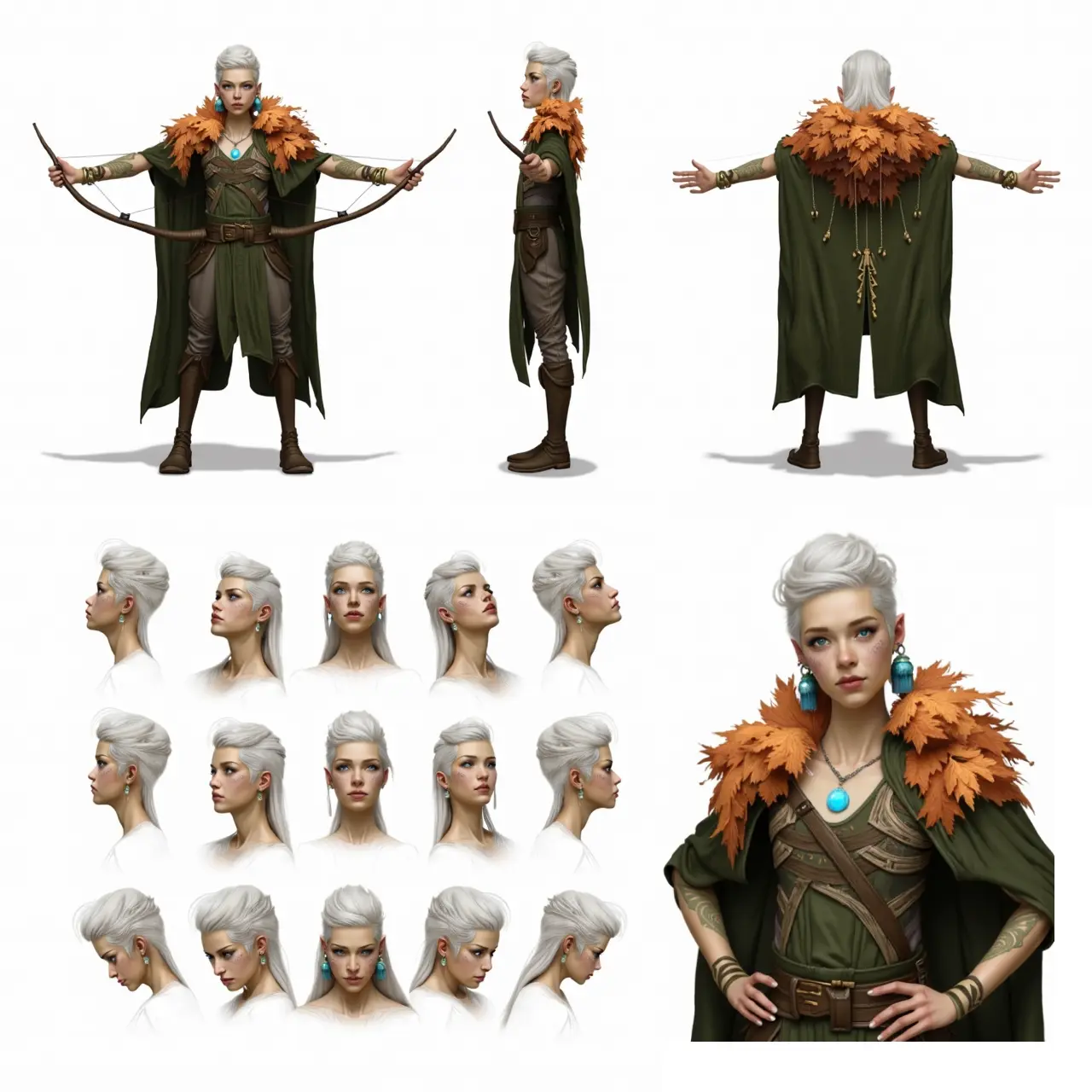
grok / edit-video:
CivitaiVideoGenGrokEditVideo is a powerful node designed to transform images into videos using the Grok engine's image-to-video operation. This node is part of the Civitai orchestration suite, which provides a seamless way to generate videos from static images by leveraging advanced AI techniques. The primary goal of this node is to enable AI artists to create dynamic video content from their image collections, offering a creative and automated approach to video generation. By utilizing this node, you can easily convert your artistic visions into engaging video formats, enhancing the storytelling potential of your visual content. The node is particularly beneficial for those looking to add motion and depth to their static images, making it an essential tool for digital artists and content creators.
grok / edit-video Input Parameters:
prompt
The prompt parameter is a required input that allows you to provide a textual description or theme for the video generation process. This input guides the AI in understanding the context or style you wish to achieve in the resulting video. The prompt can be a detailed narrative or a simple keyword, and it supports multiline text for more complex descriptions. By carefully crafting your prompt, you can influence the mood, tone, and visual elements of the generated video, making it a crucial component in achieving your desired artistic outcome.
duration
The duration parameter specifies the length of the generated video in seconds. It is an optional integer input with a default value of 6 seconds, and it can range from a minimum of 1 second to a maximum of 15 seconds. Adjusting the duration allows you to control how long the video will play, which can be important for fitting specific project requirements or maintaining viewer engagement. A longer duration may provide more time for visual storytelling, while a shorter duration can create a more concise and impactful presentation.
resolution
The resolution parameter determines the quality and clarity of the generated video. You can choose between two options: "480p" and "720p," with "720p" being the default setting. Higher resolution settings result in clearer and more detailed videos, which can be beneficial for professional presentations or high-quality displays. However, higher resolutions may also require more processing power and storage space, so it's important to balance quality with available resources.
aspect_ratio
The aspect_ratio parameter allows you to define the proportional relationship between the width and height of the video. Available options include "auto," "16:9," "4:3," "3:2," "1:1," "2:3," "3:4," and "9:16," with "auto" as the default setting. Choosing the right aspect ratio is essential for ensuring that the video fits the intended display format, whether it's for social media, widescreen presentations, or traditional formats. The "auto" option lets the node automatically select the most suitable aspect ratio based on the input images.
images
The images parameter is an optional input that accepts a list of images to be used in the video generation process. This parameter allows you to provide specific visual content that the node will transform into a video. By selecting the right images, you can directly influence the visual narrative and aesthetic of the final video, making it a key factor in achieving your creative vision.
api_config
The api_config parameter is an optional configuration that allows you to specify authentication details for connecting to the Civitai API. This parameter defaults to using the CIVITAI_API_TOKEN or a stored OAuth login if not explicitly provided. Proper configuration of this parameter ensures secure and authenticated access to the Civitai services, enabling seamless integration and operation of the node within your workflow.
grok / edit-video Output Parameters:
video
The video output is the primary result of the node's operation, providing the generated video file based on the input parameters and images. This output is the culmination of the node's processing, transforming static images into a dynamic video format that can be used for various creative and professional purposes. The quality and characteristics of the video are influenced by the input parameters such as resolution, duration, and aspect ratio.
workflow_id
The workflow_id output is a string that uniquely identifies the workflow instance used to generate the video. This identifier can be useful for tracking and managing different video generation tasks, especially in complex projects involving multiple nodes and processes. It provides a reference point for reviewing or replicating specific workflows.
raw_json
The raw_json output provides a JSON string containing detailed information about the video generation process. This output includes metadata and configuration details that can be useful for debugging, analysis, or documentation purposes. By examining the raw JSON, you can gain insights into the node's operation and verify the settings used during the video creation.
grok / edit-video Usage Tips:
- Experiment with different
promptdescriptions to explore various artistic styles and themes in your video outputs. - Adjust the
durationparameter to match the intended use of the video, ensuring it aligns with the desired storytelling pace or platform requirements. - Choose the appropriate
resolutionandaspect_ratiosettings based on the target display format and quality expectations, balancing clarity with resource constraints.
grok / edit-video Common Errors and Solutions:
Invalid API Token
- Explanation: This error occurs when the provided API token is invalid or missing, preventing authentication with the Civitai services.
- Solution: Ensure that the
api_configparameter is correctly set with a validCIVITAI_API_TOKENor that a proper OAuth login is stored.
Unsupported Image Format
- Explanation: This error indicates that one or more of the input images are in a format not supported by the node.
- Solution: Convert the images to a supported format, such as JPEG or PNG, before using them as input for the node.
Resolution Not Available
- Explanation: This error occurs when an unsupported resolution is selected, which the node cannot process.
- Solution: Choose from the available resolution options ("480p" or "720p") to ensure compatibility with the node's capabilities.