
flux2Dev / sdcpp / editImage:
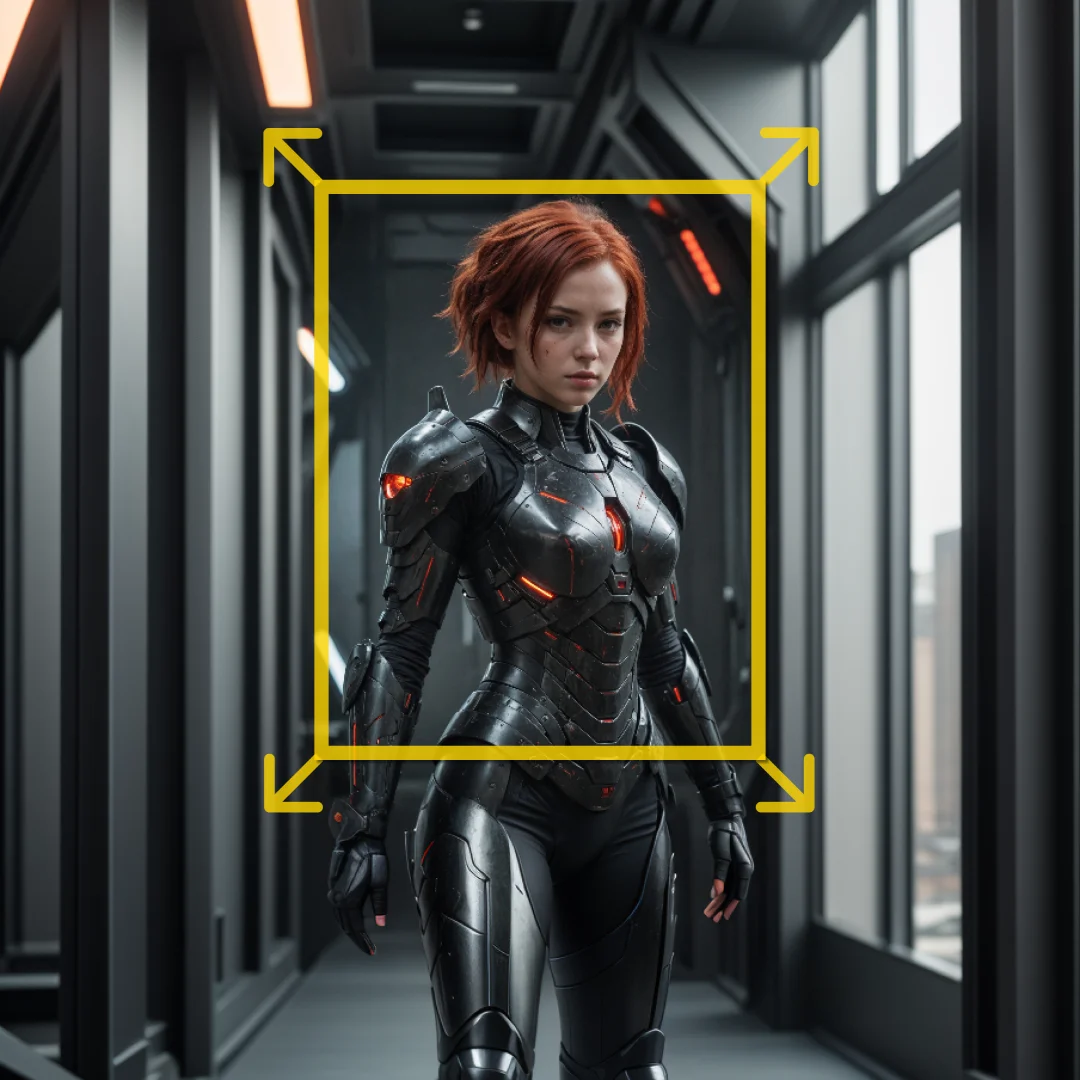
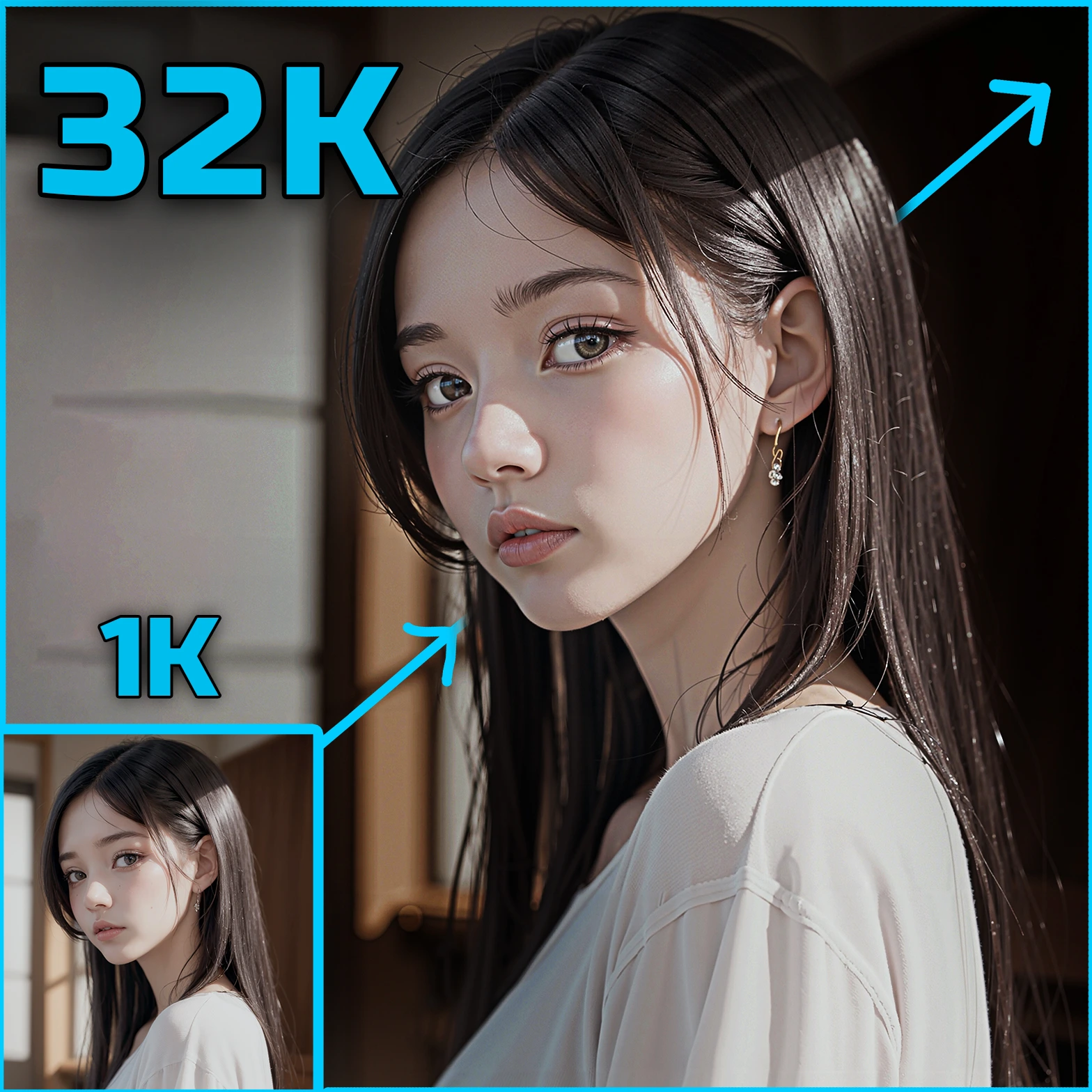
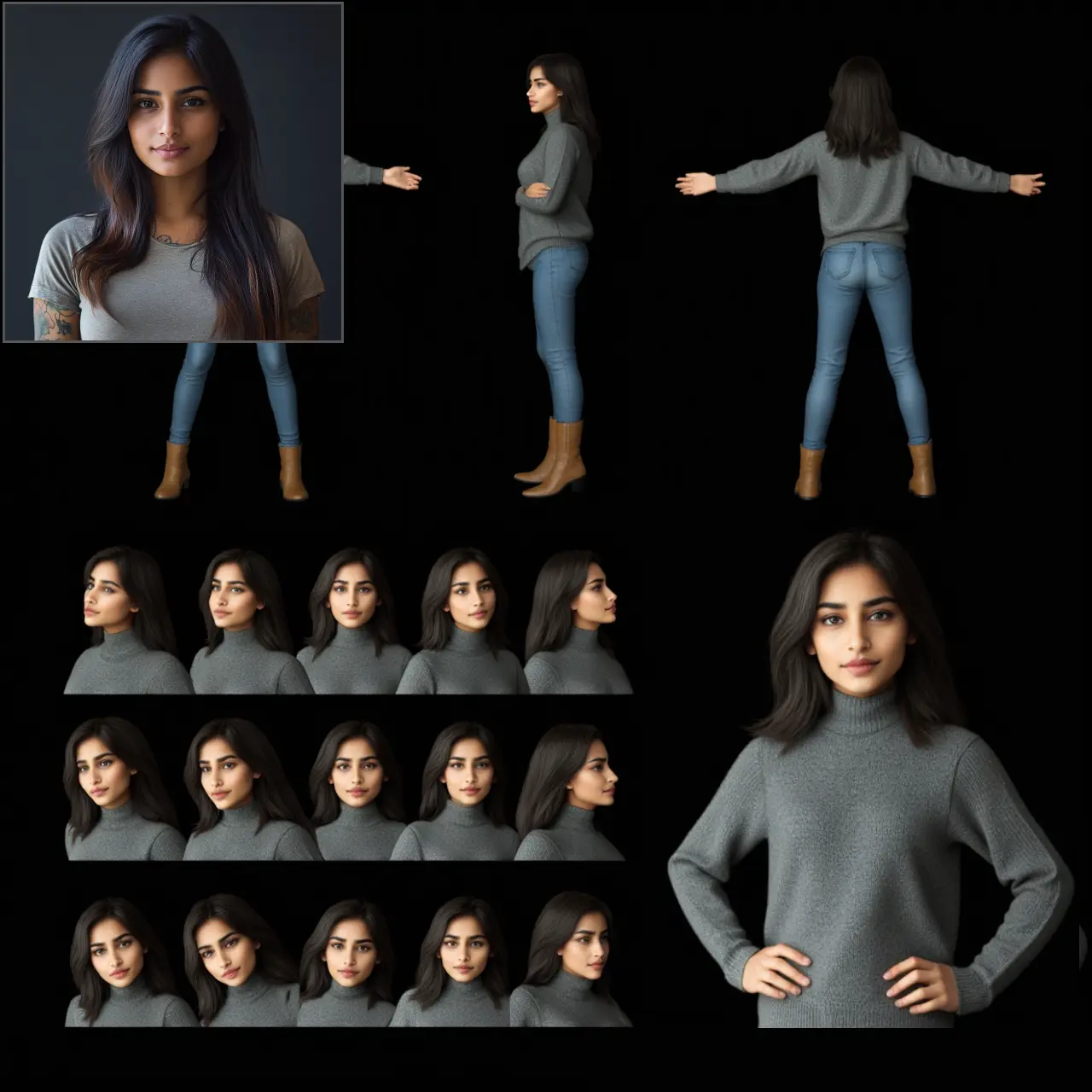
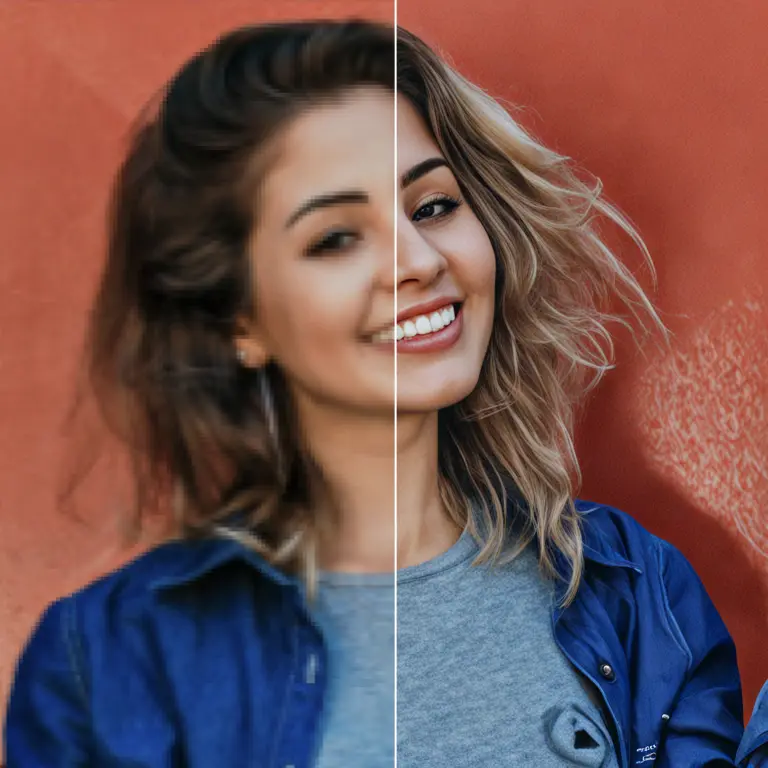
The CivitaiImageGenSdcppFlux2DevEditImage node is designed to facilitate the editing of images using the Flux2Dev model within the Civitai platform. This node is part of a suite of tools that leverage advanced AI models to modify existing images, allowing you to apply creative edits and enhancements. The primary goal of this node is to provide a seamless interface for integrating sophisticated image editing capabilities into your workflow, enabling you to transform images with precision and creativity. By utilizing this node, you can take advantage of the powerful image processing algorithms offered by Civitai, which are tailored to deliver high-quality results while maintaining the artistic intent of the original image.
flux2Dev / sdcpp / editImage Input Parameters:
ddim_uniform
This parameter allows you to specify the diffusion model's uniformity setting, which can influence the smoothness and consistency of the image edits. The default value is an empty string, indicating that no specific uniformity setting is applied. Adjusting this parameter can help achieve different artistic effects, such as more uniform or varied textures in the edited image.
beta
The beta parameter is used to control the noise schedule in the diffusion process. It affects how noise is added and removed during the image editing process, impacting the final appearance of the image. The default value is an empty string, meaning no specific beta value is set. Experimenting with different beta values can lead to unique visual outcomes, allowing for greater creative control over the editing process.
negative_prompt
This parameter allows you to input a negative prompt, which can guide the model to avoid certain features or styles in the edited image. It is a multiline string, providing flexibility to specify complex instructions. By using a negative prompt, you can refine the editing process to exclude unwanted elements, ensuring the final image aligns with your artistic vision.
loras
The loras parameter refers to the use of specific LoRA (Low-Rank Adaptation) models that can be applied during the image editing process. These models are designed to enhance certain aspects of the image, such as color balance or detail enhancement. By selecting appropriate LoRA models, you can tailor the editing process to achieve desired artistic effects.
api_config
This parameter is used to configure the API connection settings for Civitai. It includes an optional authentication connection, which defaults to the CIVITAI_API_TOKEN or a stored OAuth login. Proper configuration of this parameter ensures secure and efficient communication with the Civitai platform, enabling seamless integration of the node into your workflow.
flux2Dev / sdcpp / editImage Output Parameters:
edited_image
The primary output of this node is the edited_image, which is the result of applying the specified edits to the input image using the Flux2Dev model. This output represents the culmination of the editing process, incorporating all the adjustments and enhancements specified by the input parameters. The edited_image is ready for further use or display, showcasing the creative transformations achieved through the node.
flux2Dev / sdcpp / editImage Usage Tips:
- Experiment with different
betavalues to achieve unique artistic effects in your edited images. - Utilize the
negative_promptto guide the model away from unwanted styles or features, ensuring the final image aligns with your creative vision. - Select appropriate
lorasmodels to enhance specific aspects of your images, such as color or detail, for a more refined output.
flux2Dev / sdcpp / editImage Common Errors and Solutions:
Authentication Error
- Explanation: This error occurs when the API connection settings are not properly configured, preventing communication with the Civitai platform.
- Solution: Ensure that the
api_configparameter is correctly set with a validCIVITAI_API_TOKENor OAuth login.
Invalid Parameter Value
- Explanation: This error arises when one or more input parameters are set to invalid values, disrupting the editing process.
- Solution: Double-check all input parameters to ensure they are within the acceptable range or format, and adjust as necessary.
Model Loading Failure
- Explanation: This error indicates that the specified LoRA models could not be loaded, possibly due to incorrect configuration or missing files.
- Solution: Verify that the
lorasparameter is correctly configured and that all required model files are accessible and properly installed.