WanImageMotion:
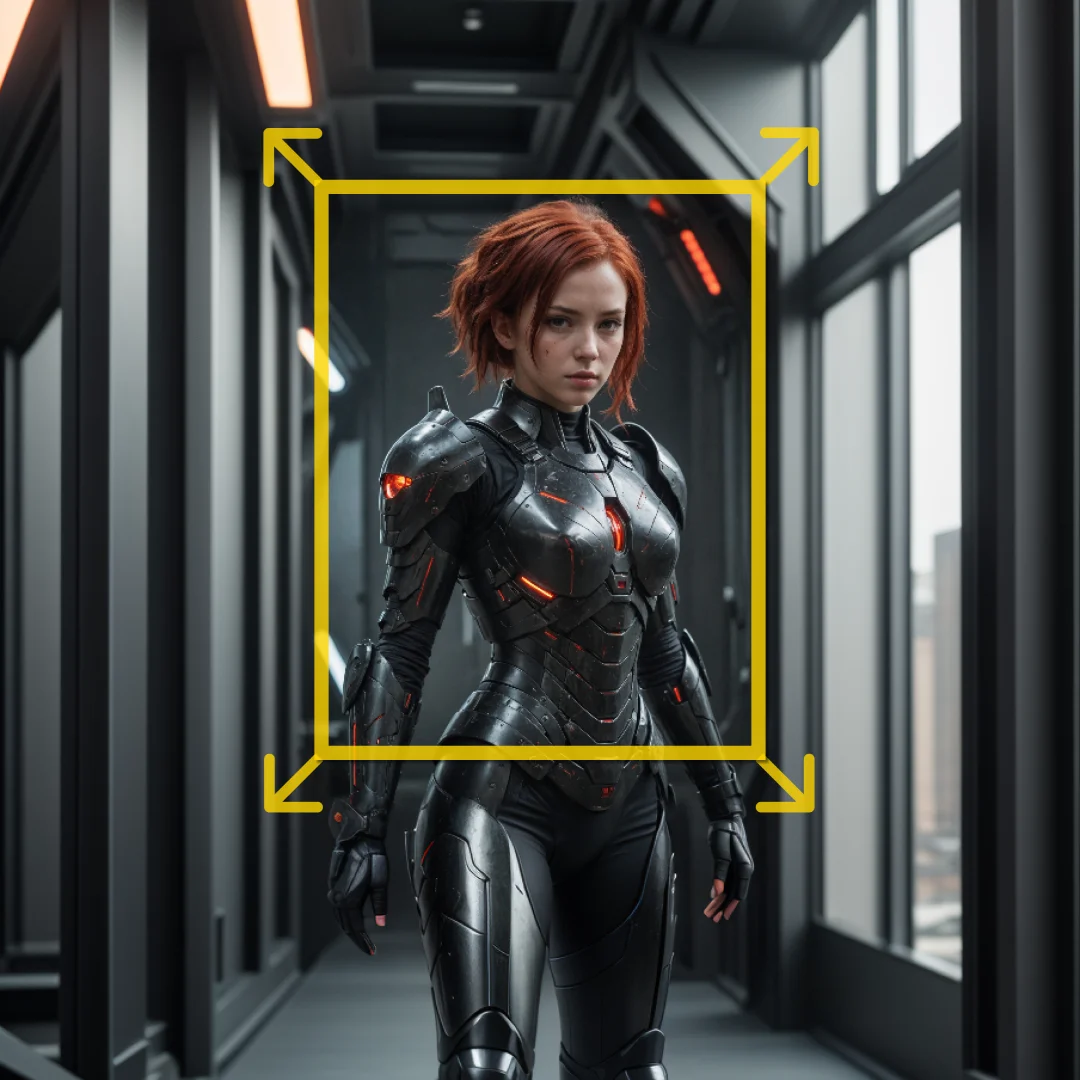
IAMCCS_WanImageMotion is a sophisticated node designed to enhance image processing by introducing motion effects. This node is particularly beneficial for AI artists looking to add dynamic motion to static images, creating a more engaging and visually appealing output. The primary function of IAMCCS_WanImageMotion is to manipulate image latents to simulate motion, which can be adjusted and controlled through various parameters. This capability allows for the creation of animations or the enhancement of still images with motion-like qualities, providing a unique tool for creative expression. By leveraging advanced algorithms, IAMCCS_WanImageMotion ensures that the motion effects are seamlessly integrated, maintaining the quality and integrity of the original image while adding a layer of dynamism.
WanImageMotion Input Parameters:
positive
The positive parameter is used to define the positive latent space that the node will utilize to generate motion effects. This parameter influences the direction and intensity of the motion applied to the image. It is crucial for determining how the motion will manifest in the final output, ensuring that the desired effect is achieved.
negative
The negative parameter serves as the counterpart to the positive latent space, providing a contrasting influence on the motion effects. By adjusting this parameter, you can fine-tune the balance and interaction between positive and negative latents, allowing for more nuanced and controlled motion effects in the image.
length
The length parameter specifies the duration or extent of the motion effect applied to the image. This parameter is essential for controlling how long the motion effect will last, impacting the overall animation or dynamic quality of the output. Adjusting the length can help achieve the desired pacing and flow of motion.
anchor_samples
The anchor_samples parameter is used to define specific points or samples within the image that will serve as anchors for the motion effect. These anchors help guide the motion, ensuring that it is applied consistently and accurately across the image. This parameter is vital for maintaining the coherence and structure of the motion effect.
motion_latent_count
The motion_latent_count parameter determines the number of latent variables that will be used to generate the motion effect. This parameter directly impacts the complexity and richness of the motion, with higher counts allowing for more intricate and detailed effects. It is important for achieving the desired level of motion sophistication.
motion
The motion parameter is a key input that defines the type and style of motion effect to be applied. This parameter allows you to select from various motion styles, each offering different visual characteristics and dynamics. It is crucial for tailoring the motion effect to suit the artistic vision and intent.
motion_mode
The motion_mode parameter specifies the operational mode of the motion effect, determining how it interacts with other parameters and the image itself. This parameter is important for configuring the behavior and application of the motion effect, ensuring that it aligns with the desired outcome.
add_reference_latents
The add_reference_latents parameter allows for the inclusion of additional reference latents in the motion effect generation. This parameter can enhance the depth and complexity of the motion by incorporating external influences, providing more creative possibilities and variations.
vram
The vram parameter is used to manage the video RAM allocation for the node's operations. This parameter is crucial for optimizing performance and ensuring that the node can handle the computational demands of generating motion effects without exceeding available resources.
WanImageMotion Output Parameters:
positive
The positive output parameter represents the modified positive latent space after the motion effect has been applied. This output is essential for understanding how the motion has altered the original image latents, providing insight into the effect's impact and effectiveness.
negative
The negative output parameter reflects the changes made to the negative latent space as a result of the motion effect. This output is important for assessing the balance and interaction between positive and negative latents, offering a comprehensive view of the motion's influence.
out_latent
The out_latent output parameter is the final latent representation of the image after the motion effect has been applied. This output is crucial for evaluating the overall success and quality of the motion effect, serving as the basis for the final animated or dynamic image.
WanImageMotion Usage Tips:
- Experiment with different
motionstyles to find the one that best suits your artistic vision and enhances the image's dynamic quality. - Adjust the
motion_latent_countto increase the complexity of the motion effect, allowing for more detailed and intricate animations. - Use
anchor_samplesstrategically to guide the motion effect and maintain the coherence and structure of the image.
WanImageMotion Common Errors and Solutions:
"prev_samples connected but use_prev_samples=False — prev ignored."
- Explanation: This error occurs when previous samples are connected, but the
use_prev_samplesoption is set to false, causing the previous samples to be ignored. - Solution: Ensure that the
use_prev_samplesoption is enabled if you intend to use previous samples in the motion effect generation.
"free_vram=%s total_vram=%s"
- Explanation: This message indicates the current status of video RAM usage, which can be a concern if resources are insufficient for the node's operations.
- Solution: Monitor VRAM usage and adjust the
vramparameter or reduce the complexity of the motion effect to fit within available resources.