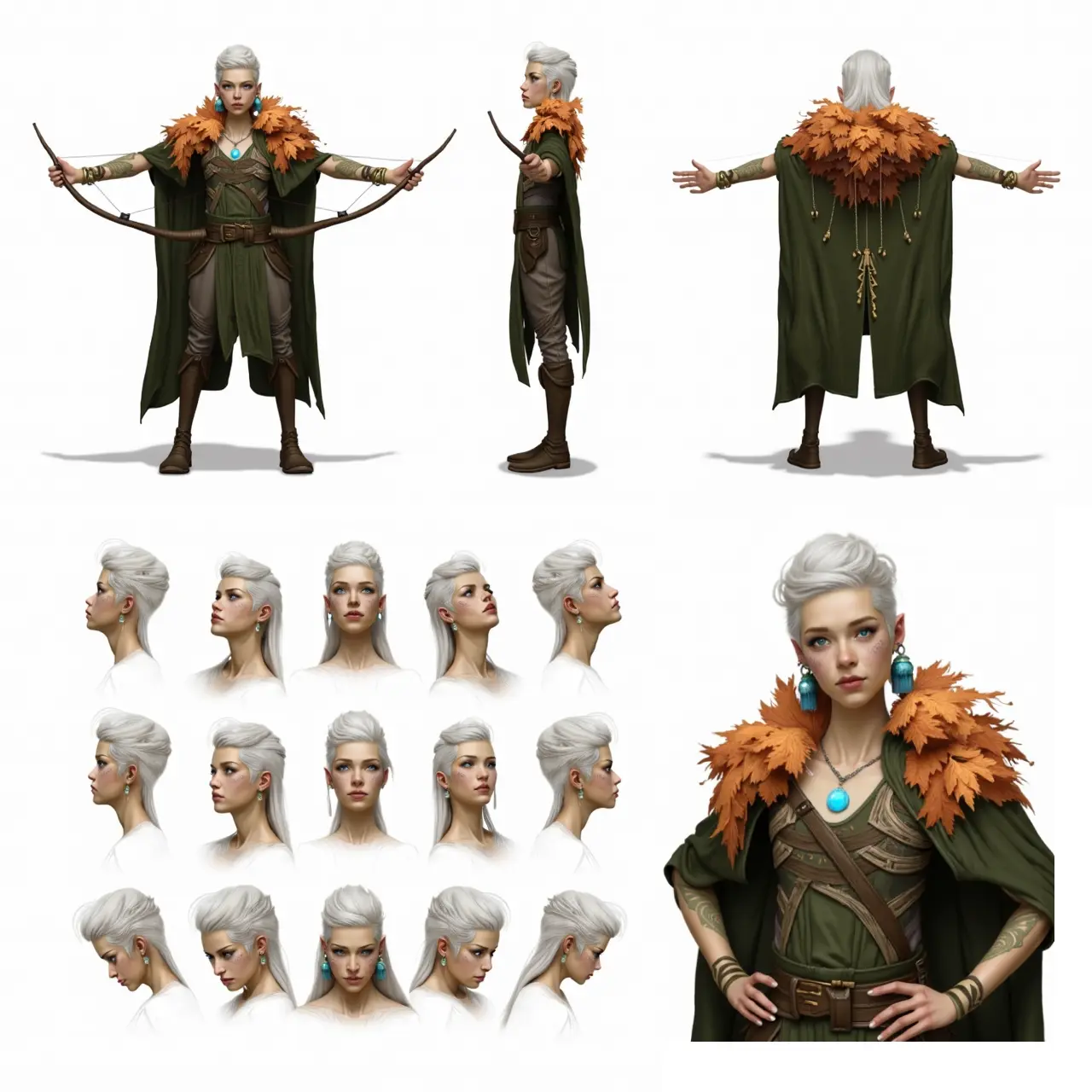
WanPhantomSubjectToVideo:
The WanPhantomSubjectToVideo node is designed to transform abstract or conceptual subjects into video format, leveraging advanced AI techniques to animate and bring to life ideas that might otherwise remain static. This node is particularly beneficial for AI artists looking to explore the boundaries of creativity by converting non-tangible concepts into dynamic visual narratives. By utilizing this node, you can create videos that capture the essence of a subject in motion, offering a unique way to visualize and interpret abstract ideas. The node's primary goal is to facilitate the creation of videos that are not only visually appealing but also conceptually rich, providing a new dimension to artistic expression.
WanPhantomSubjectToVideo Input Parameters:
positive
The positive parameter is used to define the positive aspects or features of the subject that you want to emphasize in the video. This could include specific traits, emotions, or characteristics that are central to the concept you are trying to animate. By adjusting this parameter, you can influence the overall tone and focus of the resulting video, ensuring that the most important elements of your subject are highlighted.
negative
The negative parameter allows you to specify the aspects or features of the subject that should be minimized or excluded from the video. This is useful for refining the output by removing unwanted elements or distractions, thereby enhancing the clarity and impact of the positive features. Proper use of this parameter can help in achieving a more focused and coherent video representation of your subject.
vae
The vae parameter refers to the Variational Autoencoder model used in the process. This model plays a crucial role in encoding and decoding the subject into a latent space, which is then used to generate the video. The choice of VAE can significantly affect the style and quality of the video, making it an important consideration for achieving the desired artistic effect.
length
The length parameter determines the duration of the video in terms of frames or time. This parameter is essential for controlling how long the animation will run, allowing you to tailor the video to fit specific requirements or constraints. Adjusting the length can help in maintaining viewer engagement and ensuring that the video effectively conveys the intended message.
video_latent
The video_latent parameter represents the latent space encoding of the video, which serves as the foundation for generating the animation. This encoding captures the essential features and dynamics of the subject, enabling the creation of a coherent and visually appealing video. Understanding and manipulating this parameter can lead to more creative and customized video outputs.
ref_image
The ref_image parameter is an optional input that allows you to provide a reference image to guide the video generation process. This can be particularly useful for ensuring consistency in style or for incorporating specific visual elements into the video. By using a reference image, you can achieve a more personalized and targeted animation.
audio_encoder_output
The audio_encoder_output parameter is another optional input that can be used to synchronize the video with audio elements. This is ideal for creating videos that are not only visually engaging but also harmonized with sound, enhancing the overall sensory experience. Proper use of this parameter can add an additional layer of depth and immersion to your video.
control_video
The control_video parameter allows you to input a control video that can influence the motion or dynamics of the generated video. This can be useful for achieving specific animation effects or for aligning the generated video with pre-existing footage. By leveraging this parameter, you can create more complex and coordinated video outputs.
WanPhantomSubjectToVideo Output Parameters:
positive
The positive output parameter reflects the enhanced positive features of the subject as represented in the video. This output is crucial for evaluating how well the video captures the intended positive aspects and for making any necessary adjustments to improve the final result.
negative
The negative output parameter indicates the minimized or excluded features in the video. This output helps in assessing the effectiveness of the negative parameter in refining the video and ensuring that unwanted elements are successfully removed.
out_latent
The out_latent output parameter provides the final latent space encoding used to generate the video. This output is important for understanding the underlying structure and dynamics of the video, offering insights into how the subject has been transformed into a visual format.
WanPhantomSubjectToVideo Usage Tips:
- Experiment with different
positiveandnegativeparameter settings to find the right balance that highlights the most important aspects of your subject. - Use the
ref_imageparameter to maintain stylistic consistency across multiple videos or to incorporate specific visual elements. - Adjust the
lengthparameter to ensure that your video is engaging and effectively conveys your intended message without overstaying its welcome.
WanPhantomSubjectToVideo Common Errors and Solutions:
Error: "Invalid VAE model"
- Explanation: This error occurs when the specified VAE model is not compatible or is incorrectly configured.
- Solution: Ensure that you are using a valid and compatible VAE model. Check the model's documentation for compatibility requirements and configuration instructions.
Error: "Video latent space encoding failed"
- Explanation: This error indicates a problem with the encoding process of the video latent space.
- Solution: Verify that the input parameters are correctly set and that the video latent data is properly formatted. Consider re-encoding the video latent space if necessary.
Error: "Reference image not found"
- Explanation: This error occurs when the specified reference image cannot be located or accessed.
- Solution: Check the file path and ensure that the reference image is available and accessible. Verify that the image format is supported by the node.