



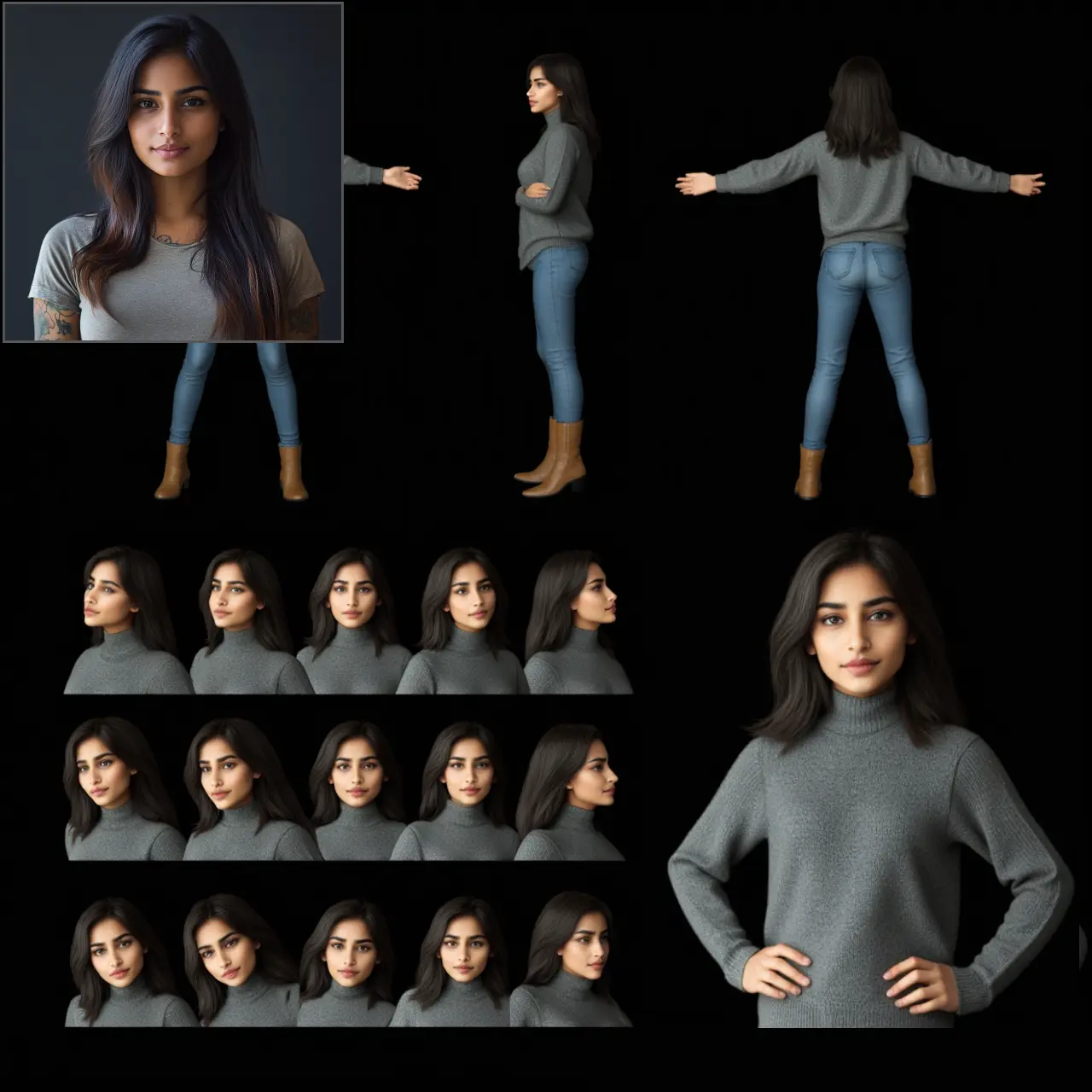
ReferenceLatent:
The ReferenceLatent node is designed to enhance the capabilities of edit models by setting a guiding latent, which serves as a reference point for the model's operations. This node is particularly useful when you want to provide specific guidance to an edit model, allowing it to reference certain latent features during its processing. If the model supports it, you can chain multiple ReferenceLatent nodes together to set multiple reference images, thereby enriching the model's ability to understand and manipulate the input data based on these references. This functionality is crucial for advanced conditioning tasks where precise control over the model's behavior is desired, making it an invaluable tool for AI artists looking to refine their model's outputs with specific latent guidance.
ReferenceLatent Input Parameters:
conditioning
The conditioning parameter is a required input that represents the initial state or setup of the model's conditioning. It serves as the foundational context upon which the node will operate, allowing the model to understand the baseline conditions before any reference latents are applied. This parameter is crucial as it dictates the starting point for the model's processing and ensures that any modifications made by the node are built upon a well-defined context.
latent
The latent parameter is an optional input that allows you to provide a specific latent sample to guide the model's operations. When supplied, this latent acts as a reference point, influencing the model's behavior by embedding the provided latent features into the conditioning. This can significantly impact the model's output, as it allows for targeted adjustments based on the characteristics of the latent sample. If not provided, the node will operate solely based on the existing conditioning without additional guidance.
ReferenceLatent Output Parameters:
conditioning
The output conditioning parameter represents the modified conditioning state after the node has executed. This output reflects the integration of any provided latent samples into the original conditioning, effectively updating the model's context with the new reference information. The importance of this output lies in its ability to convey the adjusted state of the model's conditioning, which can then be used in subsequent processing steps to achieve the desired effects based on the reference latents.
ReferenceLatent Usage Tips:
- To effectively use the
ReferenceLatentnode, consider chaining multiple nodes together if your model supports multiple reference images. This can provide a richer context for the model to work with, enhancing its ability to produce nuanced outputs. - When providing a
latentinput, ensure that the latent sample is representative of the features you wish to emphasize or guide in the model's output. This will help in achieving more precise and desirable results.
ReferenceLatent Common Errors and Solutions:
Missing latent input
- Explanation: The node expects a latent input to guide the model's operations, but none was provided.
- Solution: Ensure that you supply a valid latent sample if you wish to guide the model's behavior. If no guidance is needed, you can omit this input, but be aware that the node will operate solely based on the existing conditioning.
Invalid conditioning input
- Explanation: The
conditioninginput provided is not in the expected format or is missing required information. - Solution: Verify that the
conditioninginput is correctly formatted and contains all necessary data for the node to function properly. This may involve checking the source of the conditioning data or ensuring compatibility with the node's requirements.