



ComfyUI Node: Segformer B2 Fashion Label
Segformer_B2_Clothes_Fashion_Labels
CategorySegformer Ultra-Fast/Label
lihaoyun6 (Account age: 3650days) Extension
ComfyUI-Segformer_Ultra_Fast Latest Updated
2025-10-17 Github Stars
0.04K
How to Install ComfyUI-Segformer_Ultra_Fast
Install this extension via the ComfyUI Manager by searching for ComfyUI-Segformer_Ultra_Fast- 1. Click the Manager button in the main menu
- 2. Select Custom Nodes Manager button
- 3. Enter ComfyUI-Segformer_Ultra_Fast in the search bar
Visit ComfyUI Online for ready-to-use ComfyUI environment
- Free trial available
- 16GB VRAM to 80GB VRAM GPU machines
- 400+ preloaded models/nodes
- Freedom to upload custom models/nodes
- 200+ ready-to-run workflows
- 100% private workspace with up to 200GB storage
- Dedicated Support
Segformer B2 Fashion Label Description
Facilitates fashion item segmentation in images using Segformer model for accurate clothing and accessory labeling.
Segformer B2 Fashion Label:
The Segformer_B2_Clothes_Fashion_Labels node is designed to facilitate the segmentation of fashion-related items within images, leveraging the advanced capabilities of the Segformer model. This node is particularly beneficial for AI artists and designers who wish to identify and label various clothing and accessory items in their visual projects. By utilizing this node, you can efficiently categorize and distinguish between different fashion elements such as shirts, pants, dresses, and accessories, enhancing the detail and accuracy of your image processing tasks. The primary goal of this node is to streamline the process of fashion item recognition, making it an invaluable tool for projects that require detailed fashion analysis and segmentation.
Segformer B2 Fashion Label Input Parameters:
shirt_blouse
This parameter determines whether the node should include shirts and blouses in the segmentation process. By enabling this, the node will identify and label these items in the image. There are no specific minimum or maximum values, as it is a binary choice (enabled or disabled).
top_tShirt_sweatshirt
This parameter allows the node to recognize and label tops, t-shirts, and sweatshirts. Enabling this option will ensure these items are included in the segmentation output. It is a binary option with no specific range of values.
sweater
This parameter specifies whether sweaters should be identified and labeled in the image. It is a binary option, allowing you to include or exclude sweaters from the segmentation process.
cardigan
This parameter controls the inclusion of cardigans in the segmentation. By enabling it, the node will label cardigans in the image. It is a binary choice without specific value constraints.
jacket
This parameter allows the node to identify and label jackets within the image. It is a binary option, enabling you to include or exclude jackets from the segmentation results.
vest
This parameter determines whether vests should be included in the segmentation process. It is a binary option, allowing you to enable or disable vest recognition.
pants
This parameter specifies whether pants should be identified and labeled in the image. It is a binary option, allowing you to include or exclude pants from the segmentation process.
shorts
This parameter allows the node to recognize and label shorts. Enabling this option will ensure shorts are included in the segmentation output. It is a binary option with no specific range of values.
skirt
This parameter controls the inclusion of skirts in the segmentation. By enabling it, the node will label skirts in the image. It is a binary choice without specific value constraints.
coat
This parameter allows the node to identify and label coats within the image. It is a binary option, enabling you to include or exclude coats from the segmentation results.
dress
This parameter specifies whether dresses should be identified and labeled in the image. It is a binary option, allowing you to include or exclude dresses from the segmentation process.
jumpsuit
This parameter determines whether jumpsuits should be included in the segmentation process. It is a binary option, allowing you to enable or disable jumpsuit recognition.
cape
This parameter allows the node to recognize and label capes. Enabling this option will ensure capes are included in the segmentation output. It is a binary option with no specific range of values.
glasses
This parameter controls the inclusion of glasses in the segmentation. By enabling it, the node will label glasses in the image. It is a binary choice without specific value constraints.
hat
This parameter allows the node to identify and label hats within the image. It is a binary option, enabling you to include or exclude hats from the segmentation results.
headband_hairAccessory
This parameter specifies whether headbands and hair accessories should be identified and labeled in the image. It is a binary option, allowing you to include or exclude these items from the segmentation process.
tie
This parameter determines whether ties should be included in the segmentation process. It is a binary option, allowing you to enable or disable tie recognition.
glove
This parameter allows the node to recognize and label gloves. Enabling this option will ensure gloves are included in the segmentation output. It is a binary option with no specific range of values.
watch
This parameter controls the inclusion of watches in the segmentation. By enabling it, the node will label watches in the image. It is a binary choice without specific value constraints.
belt
This parameter allows the node to identify and label belts within the image. It is a binary option, enabling you to include or exclude belts from the segmentation results.
leg_warmer
This parameter specifies whether leg warmers should be identified and labeled in the image. It is a binary option, allowing you to include or exclude leg warmers from the segmentation process.
tights_stockings
This parameter determines whether tights and stockings should be included in the segmentation process. It is a binary option, allowing you to enable or disable tights and stockings recognition.
sock
This parameter allows the node to recognize and label socks. Enabling this option will ensure socks are included in the segmentation output. It is a binary option with no specific range of values.
shoe
This parameter controls the inclusion of shoes in the segmentation. By enabling it, the node will label shoes in the image. It is a binary choice without specific value constraints.
bag_wallet
This parameter allows the node to identify and label bags and wallets within the image. It is a binary option, enabling you to include or exclude these items from the segmentation results.
scarf
This parameter specifies whether scarves should be identified and labeled in the image. It is a binary option, allowing you to include or exclude scarves from the segmentation process.
umbrella
This parameter determines whether umbrellas should be included in the segmentation process. It is a binary option, allowing you to enable or disable umbrella recognition.
hood
This parameter allows the node to recognize and label hoods. Enabling this option will ensure hoods are included in the segmentation output. It is a binary option with no specific range of values.
collar
This parameter controls the inclusion of collars in the segmentation. By enabling it, the node will label collars in the image. It is a binary choice without specific value constraints.
lapel
This parameter allows the node to identify and label lapels within the image. It is a binary option, enabling you to include or exclude lapels from the segmentation results.
epaulette
This parameter specifies whether epaulettes should be identified and labeled in the image. It is a binary option, allowing you to include or exclude epaulettes from the segmentation process.
sleeve
This parameter determines whether sleeves should be included in the segmentation process. It is a binary option, allowing you to enable or disable sleeve recognition.
This parameter allows the node to recognize and label pockets. Enabling this option will ensure pockets are included in the segmentation output. It is a binary option with no specific range of values.
neckline
This parameter controls the inclusion of necklines in the segmentation. By enabling it, the node will label necklines in the image. It is a binary choice without specific value constraints.
buckle
This parameter allows the node to identify and label buckles within the image. It is a binary option, enabling you to include or exclude buckles from the segmentation results.
zipper
This parameter specifies whether zippers should be identified and labeled in the image. It is a binary option, allowing you to include or exclude zippers from the segmentation process.
applique
This parameter determines whether appliques should be included in the segmentation process. It is a binary option, allowing you to enable or disable applique recognition.
bead
This parameter allows the node to recognize and label beads. Enabling this option will ensure beads are included in the segmentation output. It is a binary option with no specific range of values.
bow
This parameter controls the inclusion of bows in the segmentation. By enabling it, the node will label bows in the image. It is a binary choice without specific value constraints.
flower
This parameter allows the node to identify and label flowers within the image. It is a binary option, enabling you to include or exclude flowers from the segmentation results.
fringe
This parameter specifies whether fringes should be identified and labeled in the image. It is a binary option, allowing you to include or exclude fringes from the segmentation process.
ribbon
This parameter determines whether ribbons should be included in the segmentation process. It is a binary option, allowing you to enable or disable ribbon recognition.
rivet
This parameter allows the node to recognize and label rivets. Enabling this option will ensure rivets are included in the segmentation output. It is a binary option with no specific range of values.
ruffle
This parameter controls the inclusion of ruffles in the segmentation. By enabling it, the node will label ruffles in the image. It is a binary choice without specific value constraints.
sequin
This parameter allows the node to identify and label sequins within the image. It is a binary option, enabling you to include or exclude sequins from the segmentation results.
tassel
This parameter specifies whether tassels should be identified and labeled in the image. It is a binary option, allowing you to include or exclude tassels from the segmentation process.
everything_else
This parameter determines whether all other unspecified items should be included in the segmentation process. It is a binary option, allowing you to enable or disable the recognition of miscellaneous items.
Segformer B2 Fashion Label Output Parameters:
labels
The labels output parameter provides a list of labels corresponding to the fashion items identified in the image. This output is crucial for understanding which items have been recognized and segmented, allowing you to further process or analyze the image based on these labels. The labels are returned as a list of integers, each representing a specific fashion item or accessory.
Segformer B2 Fashion Label Usage Tips:
- To achieve optimal results, ensure that the input images are of high quality and contain clear depictions of the fashion items you wish to segment.
- Experiment with enabling and disabling different input parameters to tailor the segmentation process to your specific needs, focusing on the items most relevant to your project.
Segformer B2 Fashion Label Common Errors and Solutions:
Error: "Invalid input image format"
- Explanation: This error occurs when the input image is not in a supported format.
- Solution: Ensure that the input image is in a standard format such as JPEG or PNG.
Error: "Segmentation failed due to low image resolution"
- Explanation: The image resolution is too low for effective segmentation.
- Solution: Use higher resolution images to improve segmentation accuracy.
Error: "Parameter not recognized"
- Explanation: An unrecognized parameter was used in the input.
- Solution: Double-check the parameter names and ensure they match the expected input parameters listed in the documentation.
Segformer B2 Fashion Label Related Nodes
- Description
- Segformer_B2_Clothes_Fashion_Labels:
- Segformer_B2_Clothes_Fashion_Labels Input Parameters:
- Segformer_B2_Clothes_Fashion_Labels Output Parameters:
- Segformer_B2_Clothes_Fashion_Labels Usage Tips:
- Segformer_B2_Clothes_Fashion_Labels Common Errors and Solutions:
- Related Nodes
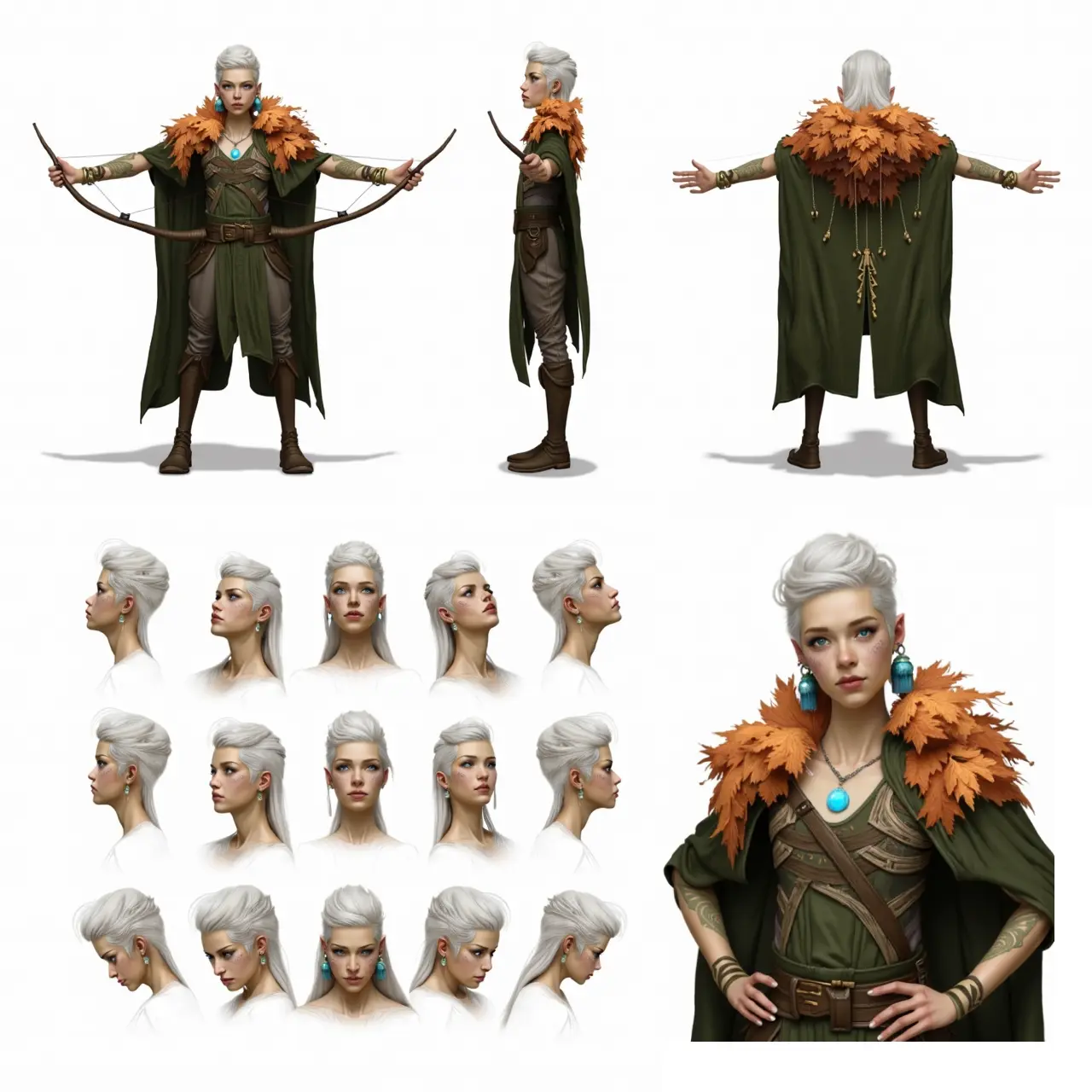
RunComfy is the premier ComfyUI platform, offering ComfyUI online environment and services, along with ComfyUI workflows featuring stunning visuals. RunComfy also provides AI Models, enabling artists to harness the latest AI tools to create incredible art.