QwenVL (Advanced):
AILab_QwenVL_Advanced is a sophisticated node designed to enhance your AI-driven creative projects by leveraging advanced visual-linguistic processing capabilities. This node is part of the QwenVL suite, which focuses on integrating visual and textual data to produce enriched outputs that can be used in various artistic and analytical applications. The advanced version of QwenVL offers enhanced control over the processing parameters, allowing you to fine-tune the interaction between visual inputs, such as images and videos, and textual prompts. This node is particularly beneficial for projects that require a nuanced understanding of visual content in conjunction with language, enabling more precise and contextually relevant outputs. By utilizing this node, you can achieve a higher level of detail and customization in your AI art projects, making it an invaluable tool for artists seeking to push the boundaries of creativity with AI.
QwenVL (Advanced) Input Parameters:
model_name
The model_name parameter specifies the name of the model to be used for processing. This parameter is crucial as it determines the underlying architecture and capabilities that will be applied to your input data. Selecting the appropriate model can significantly impact the quality and relevance of the output, as different models may have varying strengths in handling specific types of visual or textual data.
quantization
The quantization parameter controls the level of quantization applied to the model, which can affect the model's performance and resource usage. Quantization is a technique used to reduce the precision of the model's weights, potentially speeding up processing and reducing memory requirements. However, it may also impact the accuracy of the results, so it's important to balance performance with quality based on your project's needs.
preset_prompt
The preset_prompt parameter allows you to choose from a set of predefined prompts that guide the model's interpretation of the input data. These prompts are designed to provide a starting point for the model's processing, helping to ensure that the output aligns with common themes or styles. Using a preset prompt can be particularly useful if you're looking for quick results without the need for extensive customization.
custom_prompt
The custom_prompt parameter enables you to input a custom textual prompt that directs the model's processing. This parameter offers a high degree of flexibility, allowing you to tailor the model's output to specific themes, styles, or concepts that are unique to your project. By crafting a well-thought-out custom prompt, you can influence the model's interpretation and enhance the relevance of the output.
attention_mode
The attention_mode parameter determines how the model allocates its attention across different parts of the input data. This can affect the model's ability to focus on specific elements within the visual or textual inputs, potentially enhancing the detail and accuracy of the output. Adjusting the attention mode can be useful for projects that require a particular emphasis on certain aspects of the input data.
max_tokens
The max_tokens parameter sets the maximum number of tokens that the model can generate in its output. This parameter is important for controlling the length and complexity of the generated text, ensuring that it remains within a manageable scope. Setting an appropriate max token limit can help prevent overly verbose outputs and maintain the focus on the most relevant information.
keep_model_loaded
The keep_model_loaded parameter is a boolean flag that determines whether the model remains loaded in memory after processing. Keeping the model loaded can reduce the time required for subsequent operations, as it eliminates the need to reload the model. However, it may also increase memory usage, so it's important to consider the trade-off between speed and resource consumption.
seed
The seed parameter is used to initialize the random number generator, which can affect the variability and reproducibility of the model's output. By setting a specific seed value, you can ensure that the model produces consistent results across multiple runs, which can be useful for debugging or when you need to replicate specific outputs.
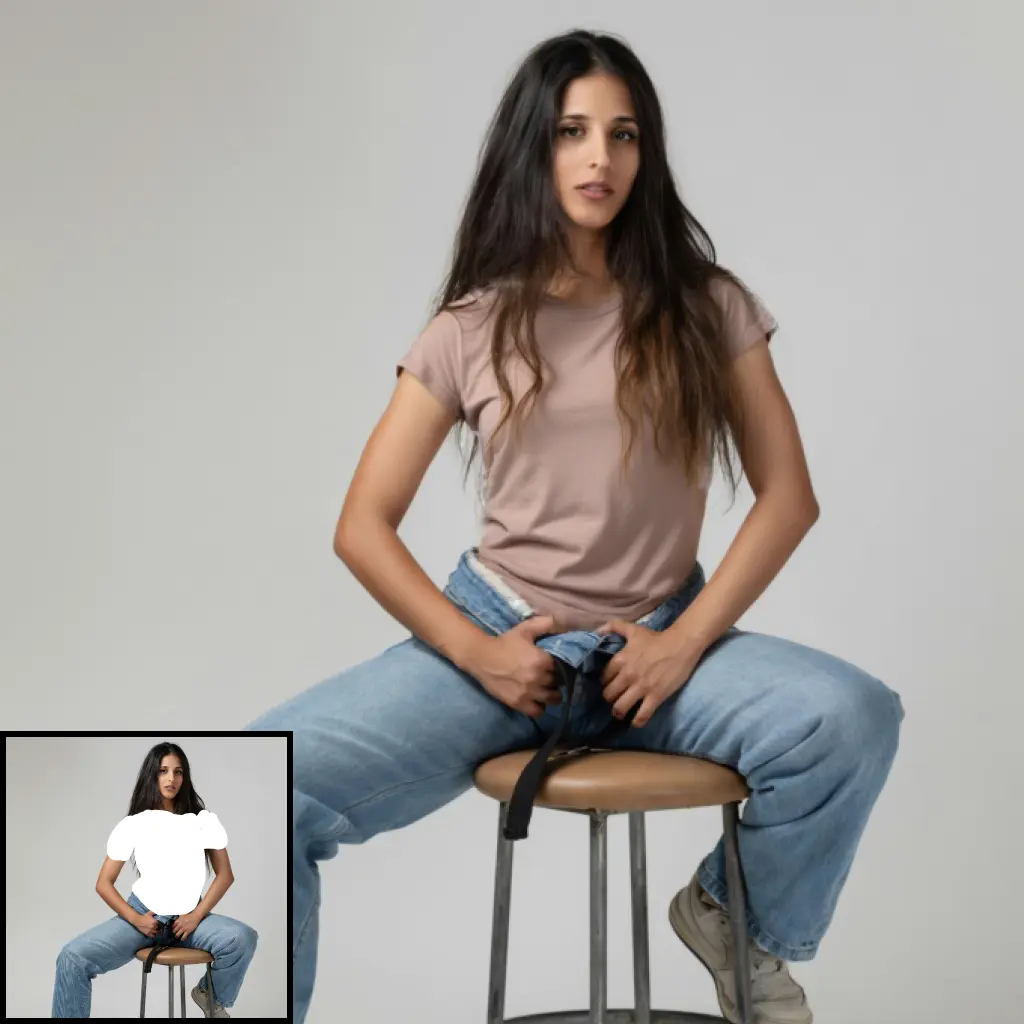
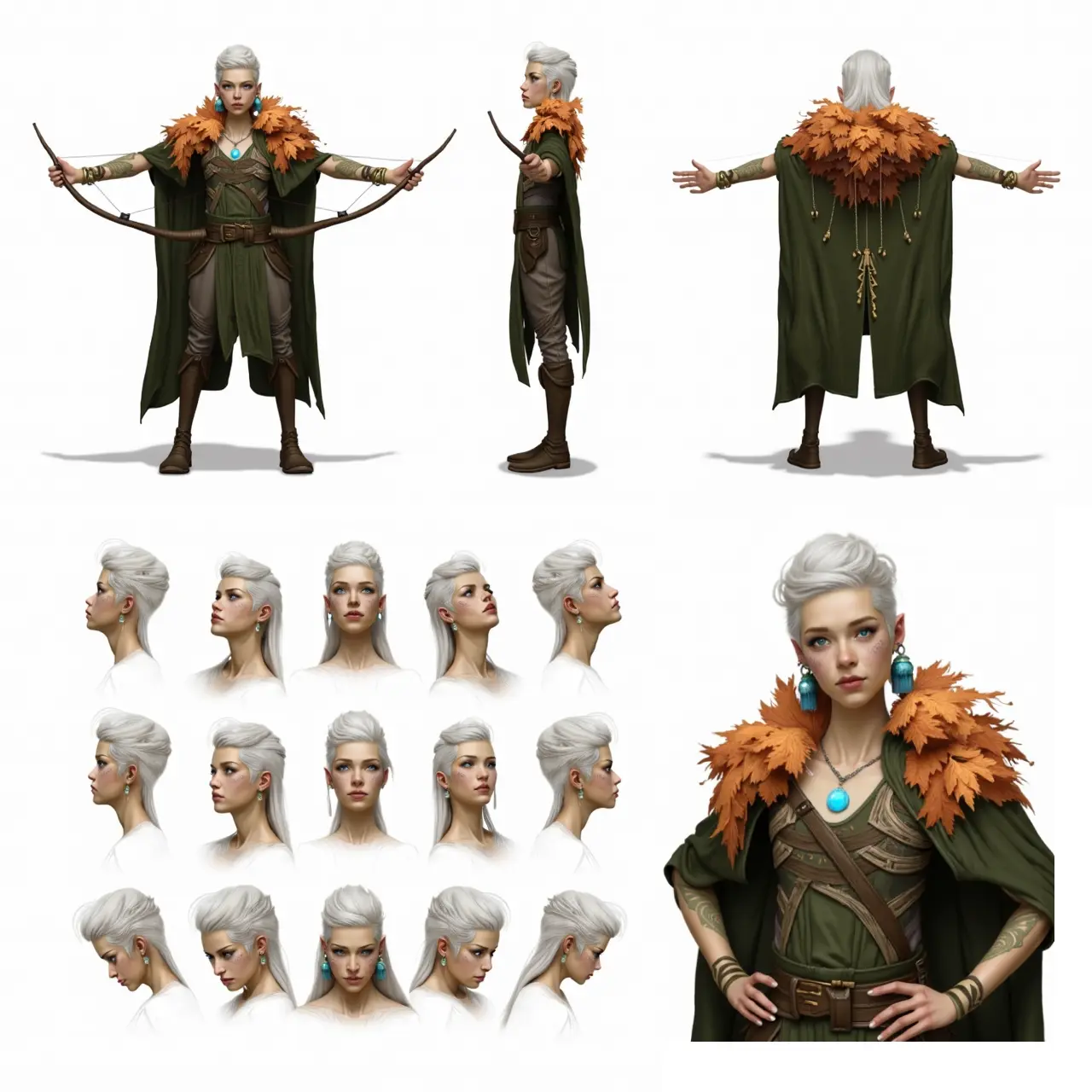
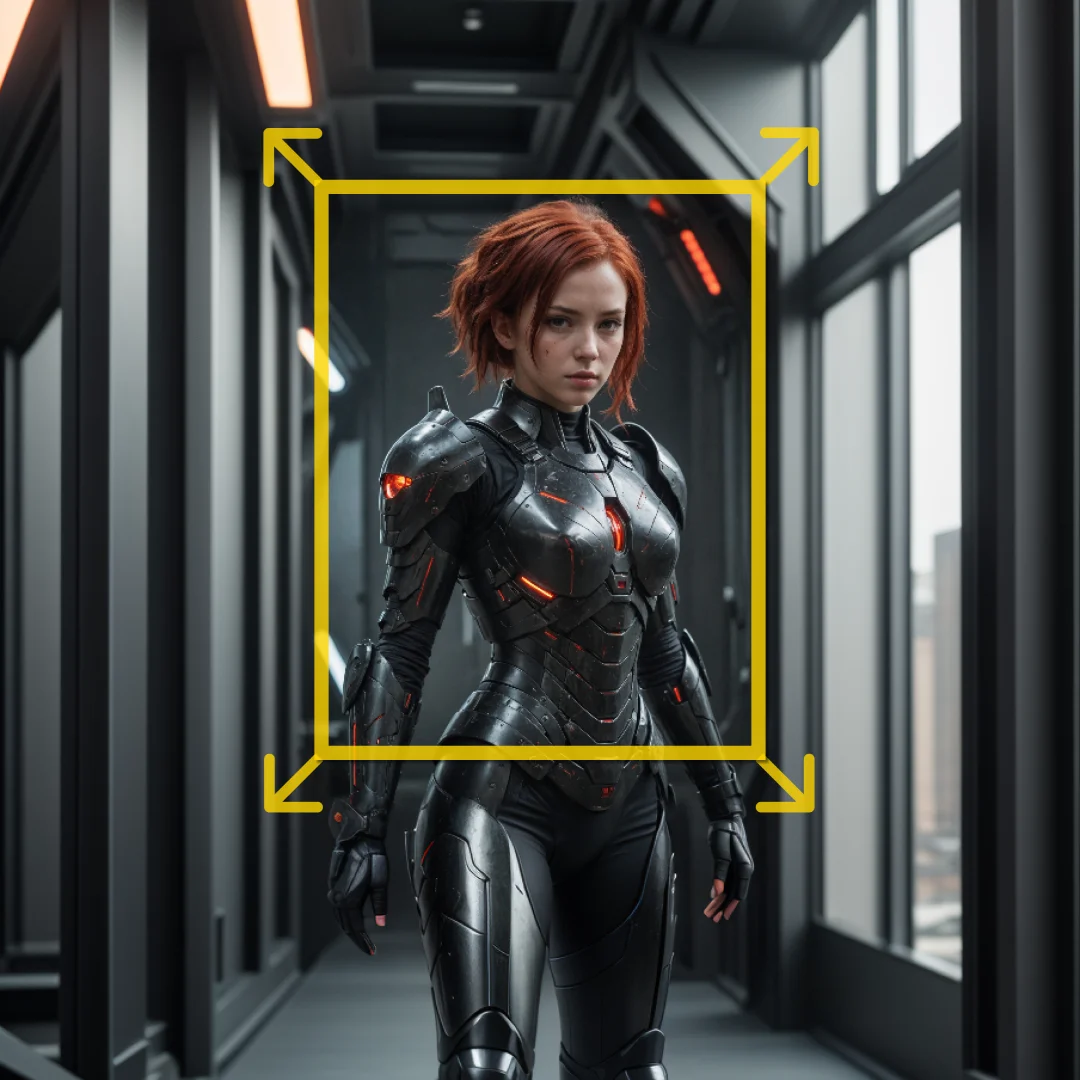
image
The image parameter allows you to input an image file that the model will process in conjunction with the textual prompts. This parameter is essential for projects that involve visual data, as it provides the model with the necessary context to generate relevant outputs. The quality and content of the input image can significantly influence the model's interpretation and the resulting output.
video
The video parameter enables you to input a video file for processing, expanding the node's capabilities to handle dynamic visual content. This parameter is particularly useful for projects that require analysis or transformation of video data, allowing the model to consider temporal aspects and motion in its processing.
QwenVL (Advanced) Output Parameters:
RESPONSE
The RESPONSE parameter is the primary output of the node, containing the processed results based on the input parameters. This output can include text, images, or other data types, depending on the nature of the input and the model's capabilities. The RESPONSE is the culmination of the node's processing, providing you with the information or content needed to advance your project. Understanding and interpreting this output is crucial for evaluating the success of the node's application and making any necessary adjustments to the input parameters for future iterations.
QwenVL (Advanced) Usage Tips:
- Experiment with different
model_nameoptions to find the one that best suits your project's needs, as different models may excel in handling specific types of data. - Use the
custom_promptparameter to guide the model's output towards your desired theme or style, allowing for greater creative control over the results. - Adjust the
attention_modeto focus the model's processing on specific elements of the input data, enhancing the detail and relevance of the output. - Set a consistent
seedvalue to ensure reproducibility of results, which can be helpful for iterative projects or when sharing findings with others.
QwenVL (Advanced) Common Errors and Solutions:
Model not found
- Explanation: This error occurs when the specified
model_namedoes not match any available models in the system. - Solution: Verify that the
model_nameis correctly spelled and corresponds to a model that is installed and accessible in your environment.
Insufficient memory
- Explanation: This error indicates that the system does not have enough memory to load or process the model with the current settings.
- Solution: Consider reducing the
quantizationlevel or using a smaller model to decrease memory usage. Alternatively, ensure that unnecessary applications are closed to free up system resources.
Invalid input format
- Explanation: This error arises when the input data, such as an image or video, is not in a supported format.
- Solution: Check that your input files are in a compatible format and meet any specified requirements for resolution or file type. Convert or resize files as necessary before reattempting the operation.