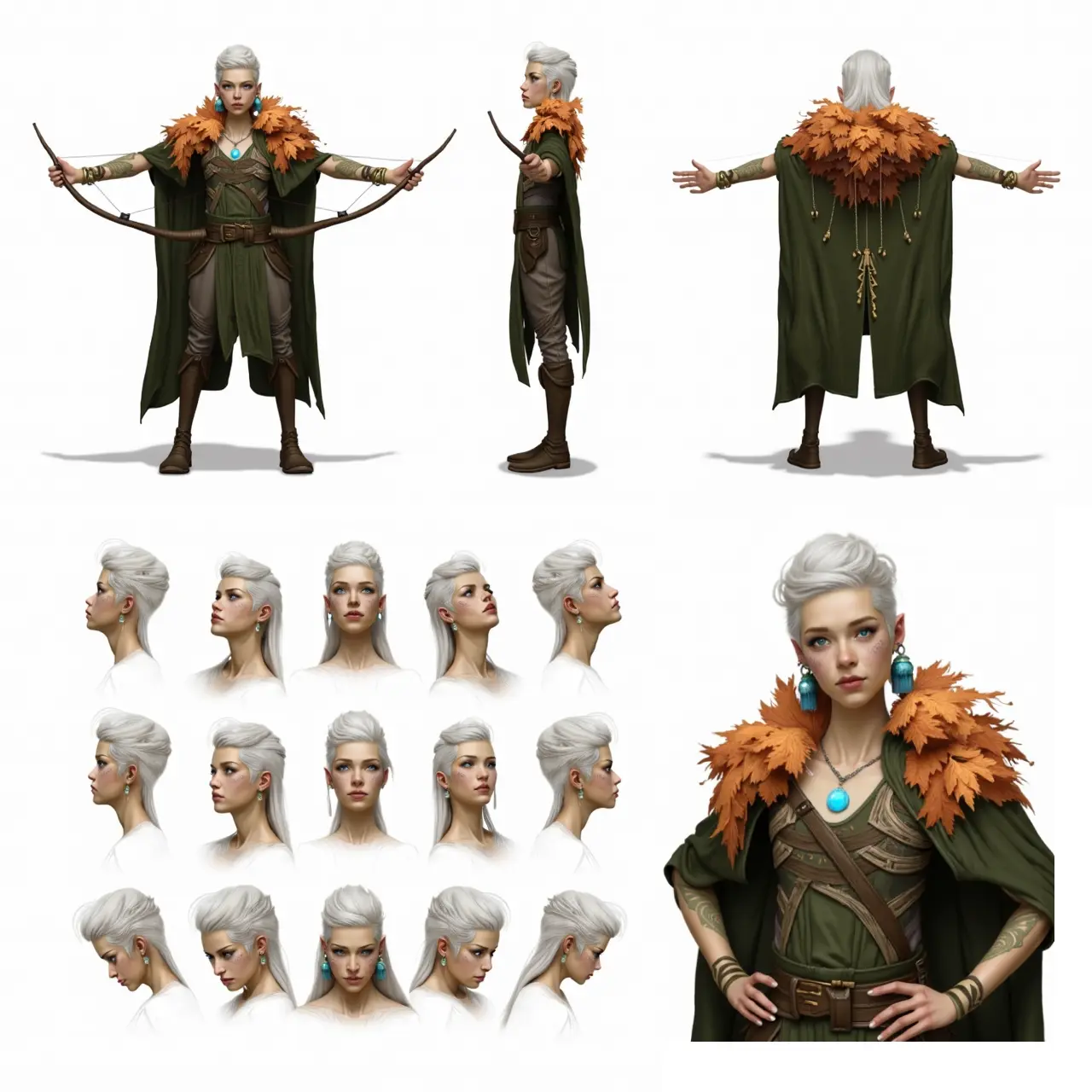
OpenPose Editor (DWPose By DocKr):
The Nui.OpenPoseEditor node is designed to facilitate the editing and manipulation of pose data within the OpenPose framework. This node serves as a powerful tool for AI artists who wish to create or modify human poses for various applications, such as animation, virtual reality, or digital art. By providing an intuitive interface, the OpenPoseEditor allows you to adjust pose keypoints, integrate background images, and manage pose data efficiently. The node's primary goal is to streamline the process of pose editing, making it accessible even to those without a deep technical background. It achieves this by offering a user-friendly environment where pose data can be visualized, edited, and saved, thus enhancing the creative workflow and enabling more precise control over pose configurations.
OpenPose Editor (DWPose By DocKr) Input Parameters:
poses_datas
This parameter represents the current pose data that you wish to edit or manipulate. It is crucial for defining the initial state of the pose within the editor. The data typically includes keypoints that describe the position of various body parts. There are no explicit minimum or maximum values, but the data should be structured correctly to ensure accurate pose representation.
backgroundImage
The backgroundImage parameter allows you to specify a background image that will be used in conjunction with the pose data. This can be particularly useful for visualizing how the pose interacts with different environments or scenes. The parameter accepts a file path to the desired image, and while there are no strict limitations on the image size, it should be compatible with the canvas dimensions for optimal results.
inputPose
This parameter is used to input an existing pose file, which can be loaded into the editor for further modifications. It accepts a file path to the pose data, and it is essential for users who want to refine or build upon previously saved poses. The input should be in a compatible format to ensure seamless integration with the editor.
OpenPose Editor (DWPose By DocKr) Output Parameters:
ui
The ui output parameter provides a structured representation of the user interface data, including the current state of poses, edited poses, and background images. This output is essential for maintaining the visual and interactive aspects of the editor, allowing you to see the changes made to the pose data in real-time.
result
The result output parameter contains the processed images and dimensions, including the pose image, combined image, and their respective widths and heights. This output is crucial for exporting the final edited pose and background combination, enabling you to use the modified data in other applications or save it for future use.
OpenPose Editor (DWPose By DocKr) Usage Tips:
- Ensure that your pose data is correctly formatted and includes all necessary keypoints to avoid errors during editing.
- Use high-resolution background images to achieve better visual integration with the pose data, especially if you plan to use the output for high-quality renders.
- Regularly save your progress to prevent data loss, especially when working on complex pose configurations.
OpenPose Editor (DWPose By DocKr) Common Errors and Solutions:
"Node not paused"
- Explanation: This error occurs when an attempt is made to cancel a node that is not currently in a paused state.
- Solution: Ensure that the node is paused before attempting to cancel its execution. You can check the node's status in the interface to confirm its current state.
"Invalid pose data format"
- Explanation: This error indicates that the input pose data is not in the expected format, which can lead to issues in processing and visualization.
- Solution: Verify that your pose data is structured correctly, with all necessary keypoints and attributes included. Refer to the documentation for the required data format.