Resize Longest To:
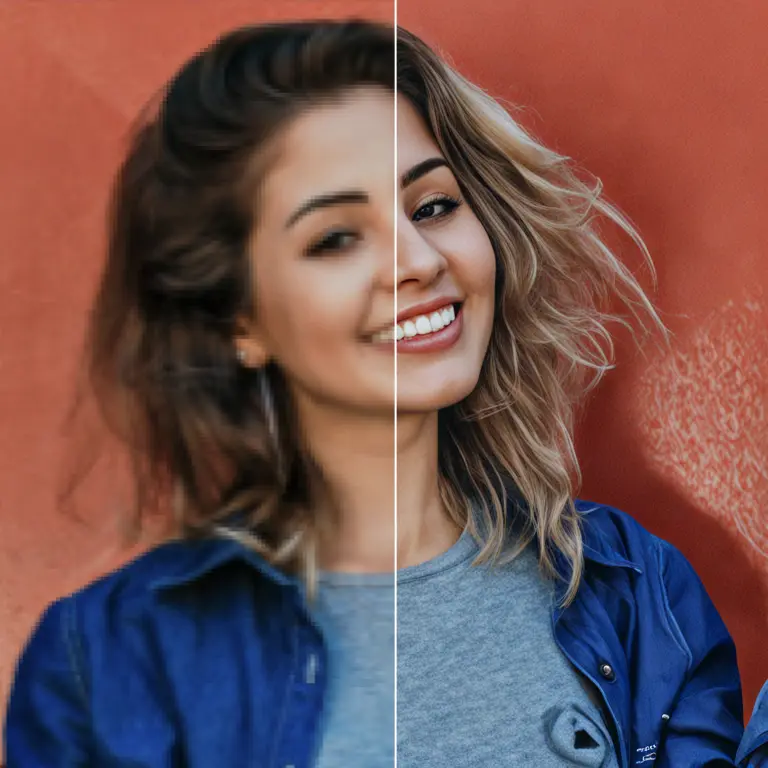
The ResizeLongestToNode is designed to resize an image such that its longest edge matches a specified size while maintaining the original aspect ratio. This node is particularly useful when you want to standardize images to a specific dimension for consistency across a dataset or to meet specific requirements for further processing. By focusing on the longest edge, the node ensures that the image's proportions are preserved, preventing distortion. This capability is beneficial for AI artists who need to prepare images for machine learning models or digital art projects where uniformity in image dimensions is crucial. The node offers flexibility in choosing the resampling method, allowing you to balance between speed and quality based on your needs.
Resize Longest To Input Parameters:
image
The image parameter is the input image that you want to resize. It is essential for the node's operation as it provides the visual data that will be processed. The image should be in a format compatible with the node's processing capabilities, typically a standard image file.
size
The size parameter specifies the target length for the longest edge of the image. It must be a positive integer, with a default value of 512. This parameter directly influences the final dimensions of the resized image, ensuring that the longest side matches the specified size while maintaining the aspect ratio.
method
The method parameter determines the resampling technique used during the resizing process. It offers three options: NEAREST, LANCZOS, and BICUBIC. Each method provides a different balance between processing speed and image quality. NEAREST is the fastest but may result in lower quality, LANCZOS offers high-quality results suitable for detailed images, and BICUBIC provides a good compromise between speed and quality.
Resize Longest To Output Parameters:
IMAGE
The output is an IMAGE, which is the resized version of the input image. The longest edge of this image will match the specified size, and the aspect ratio will be preserved. This output is crucial for ensuring that images are standardized in size, making them suitable for various applications such as machine learning, digital art, or web use.
Resize Longest To Usage Tips:
- Use the
LANCZOSmethod for high-quality results, especially when dealing with images that require fine detail preservation. - Set the
sizeparameter according to the requirements of your project or the constraints of your application to ensure consistency across your image dataset. - Consider using the
NEARESTmethod for faster processing when image quality is not a primary concern, such as for preliminary testing or when working with large datasets.
Resize Longest To Common Errors and Solutions:
Size must be positive
- Explanation: This error occurs when the
sizeparameter is set to a negative value, which is not allowed. - Solution: Ensure that the
sizeparameter is a positive integer. Double-check your input to confirm that it meets this requirement.
Invalid resampling method
- Explanation: This error may occur if an unsupported resampling method is specified.
- Solution: Verify that the
methodparameter is set to one of the supported options:NEAREST,LANCZOS, orBICUBIC. Correct any typos or unsupported values in your input.