



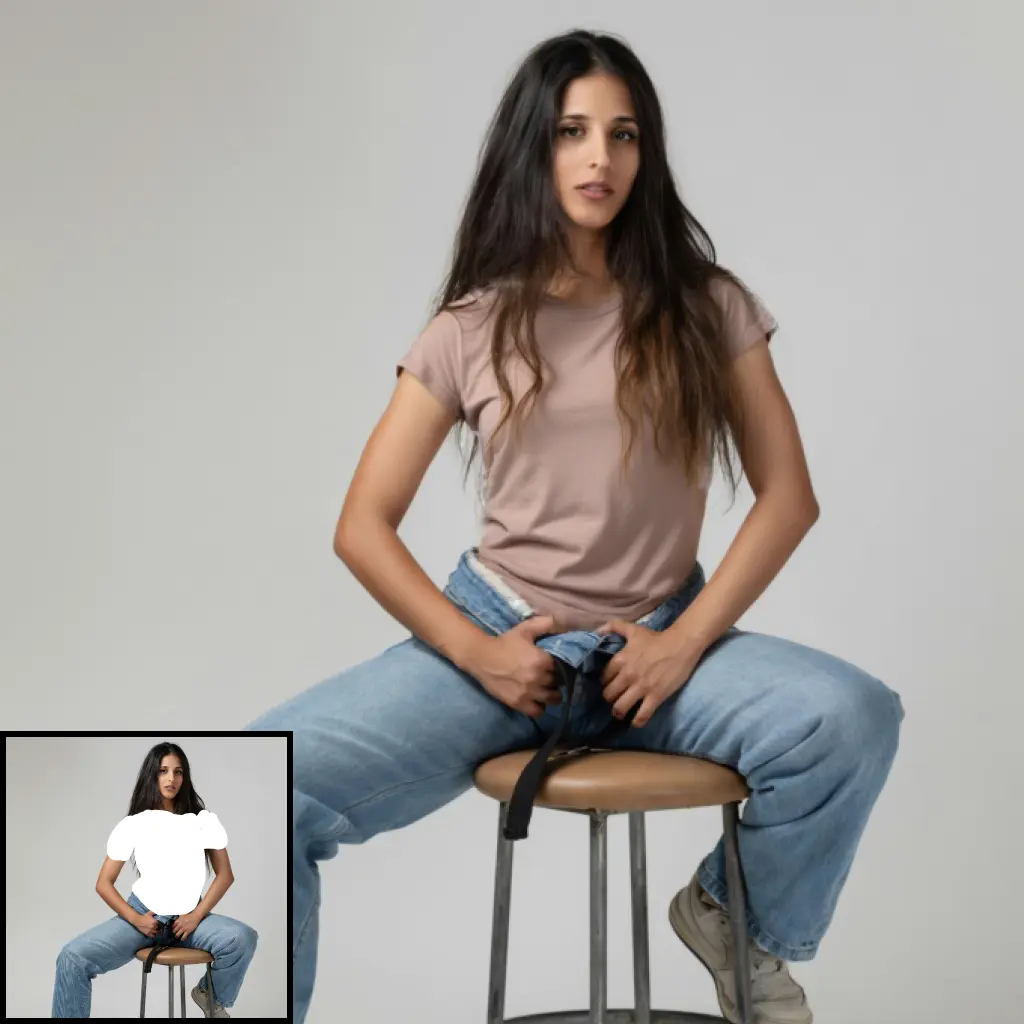
Forbidden Vision 🎨 Inpainter:
ForbiddenVisionInpaintLite is a specialized node designed for the purpose of inpainting, which is a technique used to fill in missing or corrupted parts of an image. This node is particularly useful for AI artists who want to seamlessly restore or modify images by intelligently reconstructing areas based on surrounding content. The node leverages advanced algorithms to ensure that the inpainted sections blend naturally with the existing image, maintaining visual coherence and aesthetic appeal. Its capabilities are enhanced by features such as color correction and differential diffusion, which help in achieving more realistic and visually pleasing results. By providing a streamlined and efficient inpainting process, ForbiddenVisionInpaintLite empowers users to enhance their creative projects with minimal effort and maximum impact.
Forbidden Vision 🎨 Inpainter Input Parameters:
sampling_mask_blur_size
This parameter controls the size of the blur applied to the sampling mask, which affects the smoothness of the transition between the inpainted area and the original image. A larger blur size can help in achieving a more seamless blend, while a smaller size may retain more detail at the edges. The value can range from 1 to 101, with a default of 21, and it adjusts in steps of 2.
sampling_mask_blur_strength
This parameter determines the intensity of the blur effect on the sampling mask. A higher strength results in a more pronounced blur, which can aid in creating softer transitions. The value ranges from 0.1 to 6.0, with a default of 1.0, and it adjusts in steps of 0.1.
blend_softness
Blend softness controls the softness of the blend between the inpainted area and the original image. A higher value results in a softer blend, which can help in achieving a more natural look. The parameter ranges from 0 to 200, with a default value of 12, and it adjusts in steps of 1.
enable_color_correction
This boolean parameter enables or disables color correction during the inpainting process. When enabled, it ensures that the colors in the inpainted area match the surrounding image, enhancing visual consistency. The default setting is True.
enable_differential_diffusion
This boolean parameter, when enabled, applies differential diffusion techniques to improve the quality and realism of the inpainted area. It helps in achieving more detailed and nuanced results. The default setting is True.
bypass_cropping
This boolean parameter allows you to skip the cropping step and perform inpainting on the full image. When enabled, it can be useful for projects where the entire image needs to be considered for inpainting. The default setting is False, with labels "Enabled" and "Disabled" for clarity.
Forbidden Vision 🎨 Inpainter Output Parameters:
image
The output parameter image represents the final inpainted image. This image is the result of the inpainting process, where missing or corrupted areas have been filled in to create a complete and visually coherent picture. The quality and realism of the output depend on the input parameters and the specific characteristics of the original image.
vae_encoded_image
The vae_encoded_image is an encoded version of the inpainted image, processed through a Variational Autoencoder (VAE). This encoded form is useful for further processing or analysis, as it captures the essential features of the image in a compact representation.
Forbidden Vision 🎨 Inpainter Usage Tips:
- Experiment with the
sampling_mask_blur_sizeandsampling_mask_blur_strengthto achieve the desired level of smoothness and detail in the transition areas of your image. - Utilize the
enable_color_correctionfeature to ensure that the inpainted areas match the color tones of the surrounding image, enhancing the overall visual harmony. - Consider enabling
bypass_croppingif you need to perform inpainting on the entire image rather than a specific section, which can be particularly useful for large-scale projects.
Forbidden Vision 🎨 Inpainter Common Errors and Solutions:
Error in inpaint processing
- Explanation: This error occurs when there is an issue during the inpainting process, which could be due to incorrect parameter settings or unexpected input data.
- Solution: Check the input parameters to ensure they are within the specified ranges and appropriate for your image. Review the input image for any anomalies that might affect processing. If the error persists, consult the traceback for more detailed information on the cause.