🎨 Smart Tile Sampler:
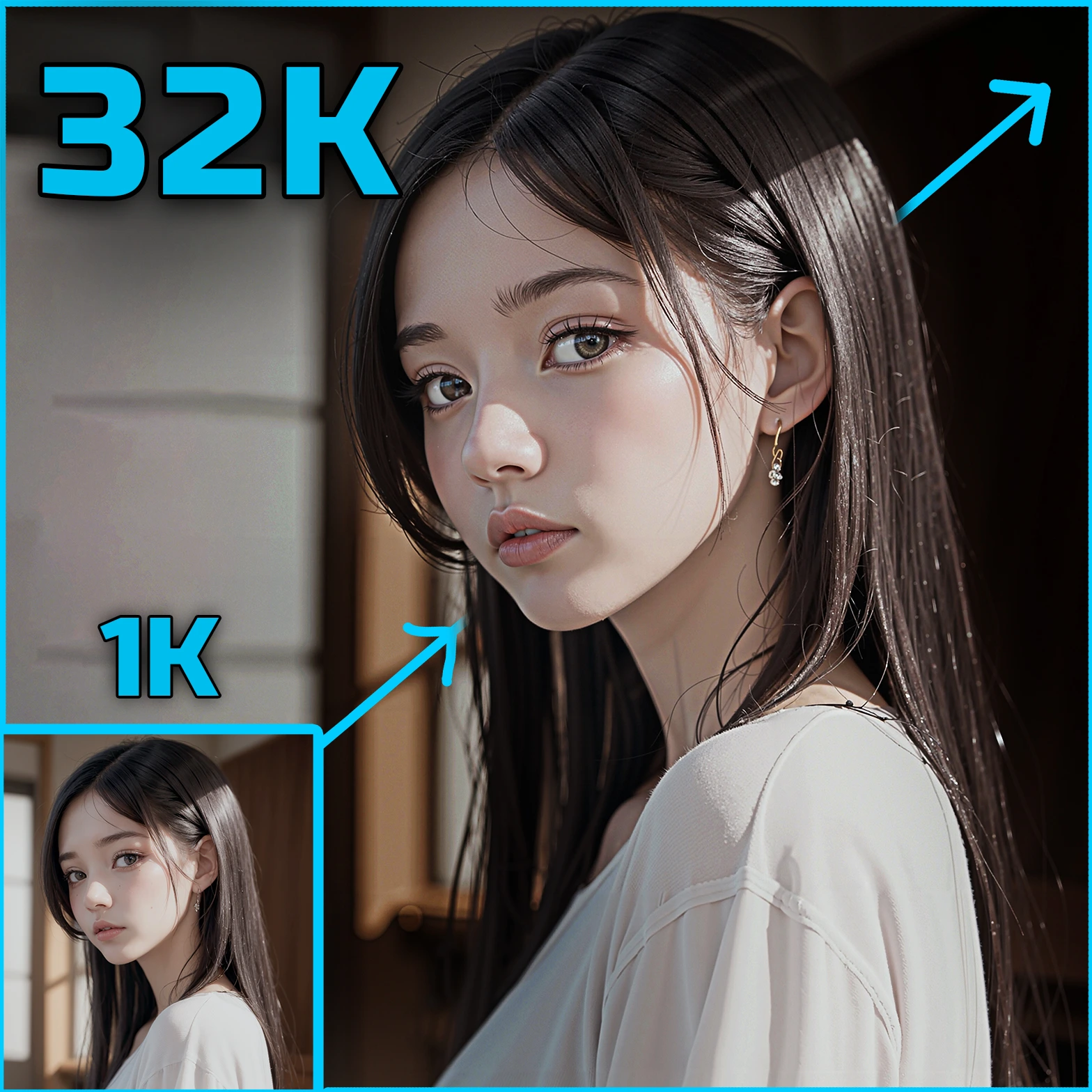
The ArchAi3D_Smart_Tile_Sampler is a sophisticated node designed to enhance the process of generating tiled images in AI art creation. Its primary purpose is to intelligently sample tiles from an input image, leveraging advanced algorithms to ensure seamless transitions and high-quality outputs. This node is particularly beneficial for artists looking to create large, detailed images without visible seams or artifacts. By utilizing this node, you can achieve a higher level of detail and consistency in your artwork, as it processes each segment (SEG) of the image with precision. The node is designed to work in conjunction with other tools, such as the Smart Tile Merger, to produce a final composite image. Its capabilities are especially useful in scenarios where maintaining the integrity of textures and patterns across tiles is crucial, making it an essential tool for AI artists aiming to push the boundaries of digital art.
🎨 Smart Tile Sampler Input Parameters:
image
The image parameter is the primary input for the node, representing the source image from which tiles will be sampled. This parameter is crucial as it determines the base content that will be processed and tiled. The quality and characteristics of the input image directly impact the final output, so it is important to use high-resolution images for optimal results.
segs
The segs parameter refers to the segments of the image that will be individually processed. This parameter allows the node to handle complex images by breaking them down into manageable parts, ensuring that each segment is sampled with precision. The segmentation process is vital for maintaining detail and consistency across the entire image.
model
The model parameter specifies the AI model used for processing the image tiles. This parameter influences the style and characteristics of the output, as different models may apply various artistic effects or enhancements. Selecting the appropriate model is essential for achieving the desired artistic outcome.
vae
The vae parameter stands for Variational Autoencoder, a component that helps in encoding and decoding the image data. This parameter plays a role in the quality of the image reconstruction, affecting the clarity and detail of the final tiles. Proper configuration of the VAE is important for maintaining image fidelity.
conditionings
The conditionings parameter involves additional conditions or constraints applied during the sampling process. This parameter can be used to guide the AI in generating specific styles or features within the tiles, providing more control over the artistic direction of the output.
negative
The negative parameter allows for the specification of elements or features that should be minimized or avoided in the output. This parameter is useful for refining the artistic output by excluding unwanted characteristics, ensuring that the final image aligns with the artist's vision.
seed
The seed parameter is a numerical value used to initialize the random number generator, ensuring reproducibility of the results. By setting a specific seed, you can achieve consistent outputs across multiple runs, which is important for iterative design processes.
steps
The steps parameter defines the number of iterations the node will perform during the sampling process. More steps generally lead to higher quality outputs, as the node has more opportunities to refine the image tiles. However, increasing the number of steps may also result in longer processing times.
cfg
The cfg parameter, or Configuration, controls the balance between adhering to the input image and applying the model's artistic style. Adjusting this parameter allows you to fine-tune the influence of the AI model on the final output, providing flexibility in achieving the desired artistic effect.
sampler_name
The sampler_name parameter specifies the algorithm used for sampling the tiles. Different samplers may offer various advantages in terms of speed, quality, or style, so selecting the appropriate sampler is crucial for optimizing the node's performance for specific tasks.
scheduler
The scheduler parameter manages the timing and order of operations during the sampling process. This parameter can affect the efficiency and quality of the output, as it determines how resources are allocated and tasks are prioritized.
denoise
The denoise parameter controls the level of noise reduction applied to the image tiles. Properly configuring this parameter is important for achieving clean and smooth outputs, especially in images with high levels of detail or texture.
bundle
The bundle parameter is an optional input that allows for the inclusion of additional data or settings to be used during the sampling process. This parameter provides flexibility for advanced users who wish to customize the node's behavior further.
🎨 Smart Tile Sampler Output Parameters:
processed_segs
The processed_segs output parameter represents the collection of image segments that have been processed by the node. Each segment is sampled and refined according to the specified parameters, resulting in high-quality tiles that can be used for further compositing or as standalone pieces. This output is crucial for artists looking to create seamless and detailed tiled images, as it provides the building blocks for the final artwork.
🎨 Smart Tile Sampler Usage Tips:
- Experiment with different
modelandcfgsettings to find the perfect balance between the input image and the desired artistic style. - Use the
seedparameter to ensure consistency across multiple runs, especially when fine-tuning the output for a specific project. - Adjust the
stepsparameter to improve the quality of the output, but be mindful of the increased processing time that may result from higher step counts.
🎨 Smart Tile Sampler Common Errors and Solutions:
"Invalid image input"
- Explanation: This error occurs when the input image is not in a supported format or is corrupted.
- Solution: Ensure that the image is in a compatible format (e.g., JPEG, PNG) and is not damaged. Try re-uploading or converting the image to a different format.
"Model not found"
- Explanation: The specified AI model could not be located or is not available.
- Solution: Verify that the model name is correct and that the model is installed and accessible. Check for any updates or dependencies that may be required.
"Segmentation fault"
- Explanation: This error indicates an issue with the segmentation process, possibly due to incorrect
segsparameter settings. - Solution: Review the segmentation settings and ensure they are appropriate for the input image. Adjust the
segsparameter to better suit the image's complexity and structure.