Image Resize FluxKontext:
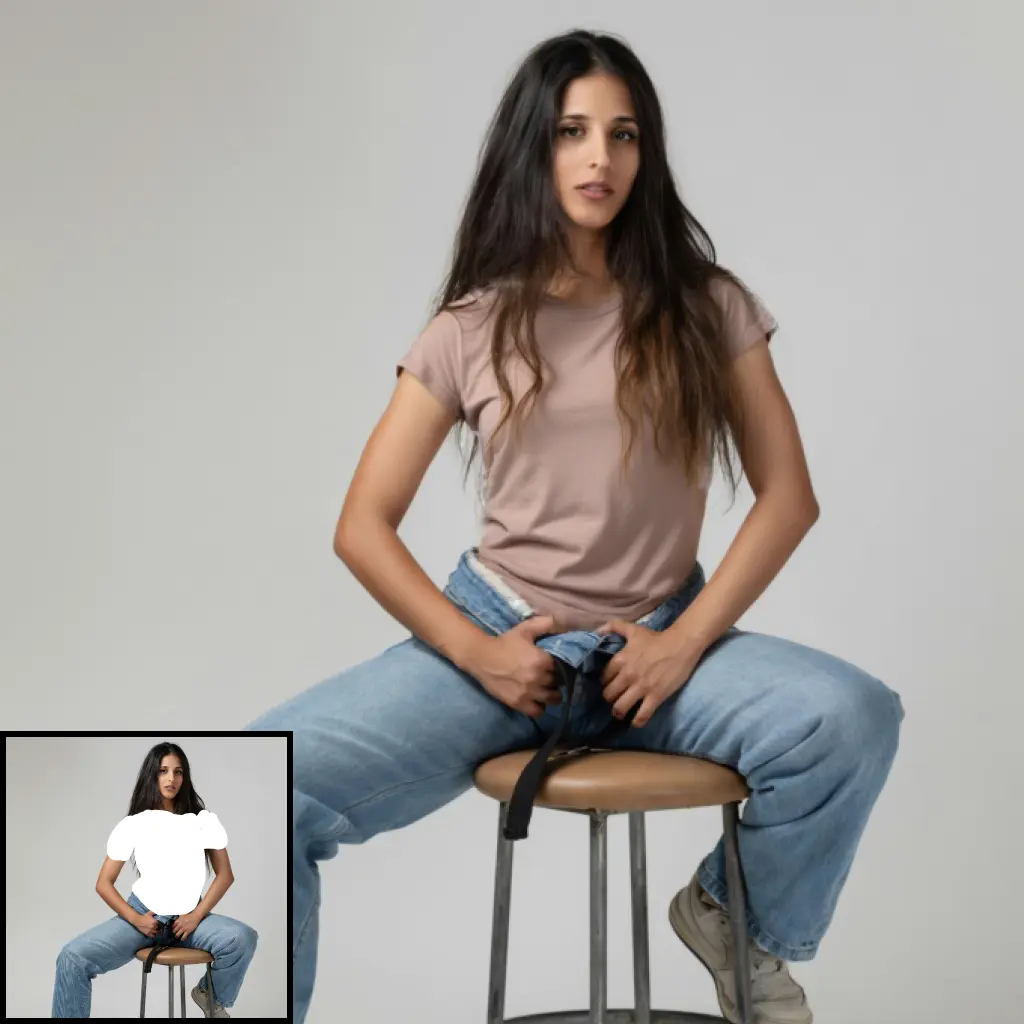
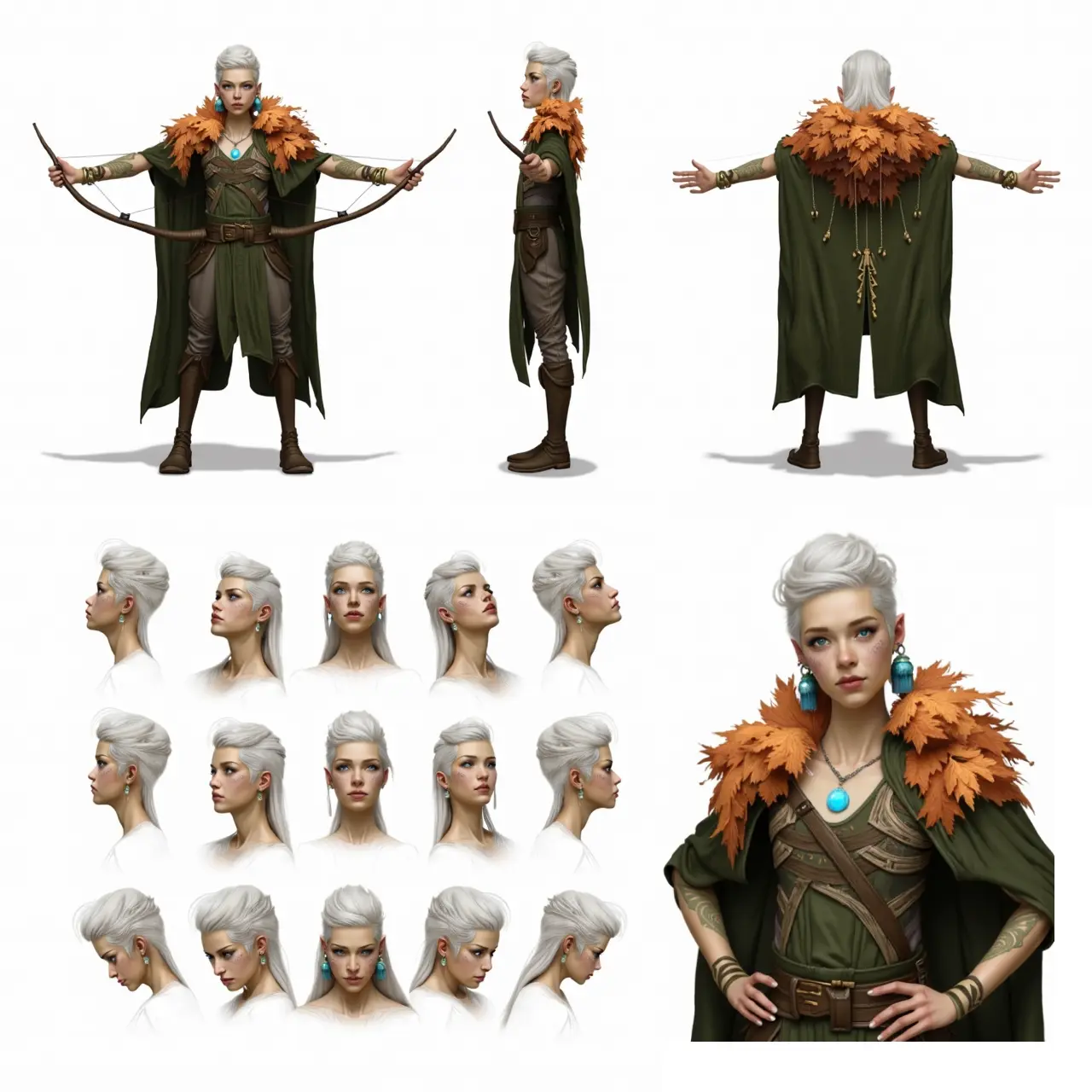
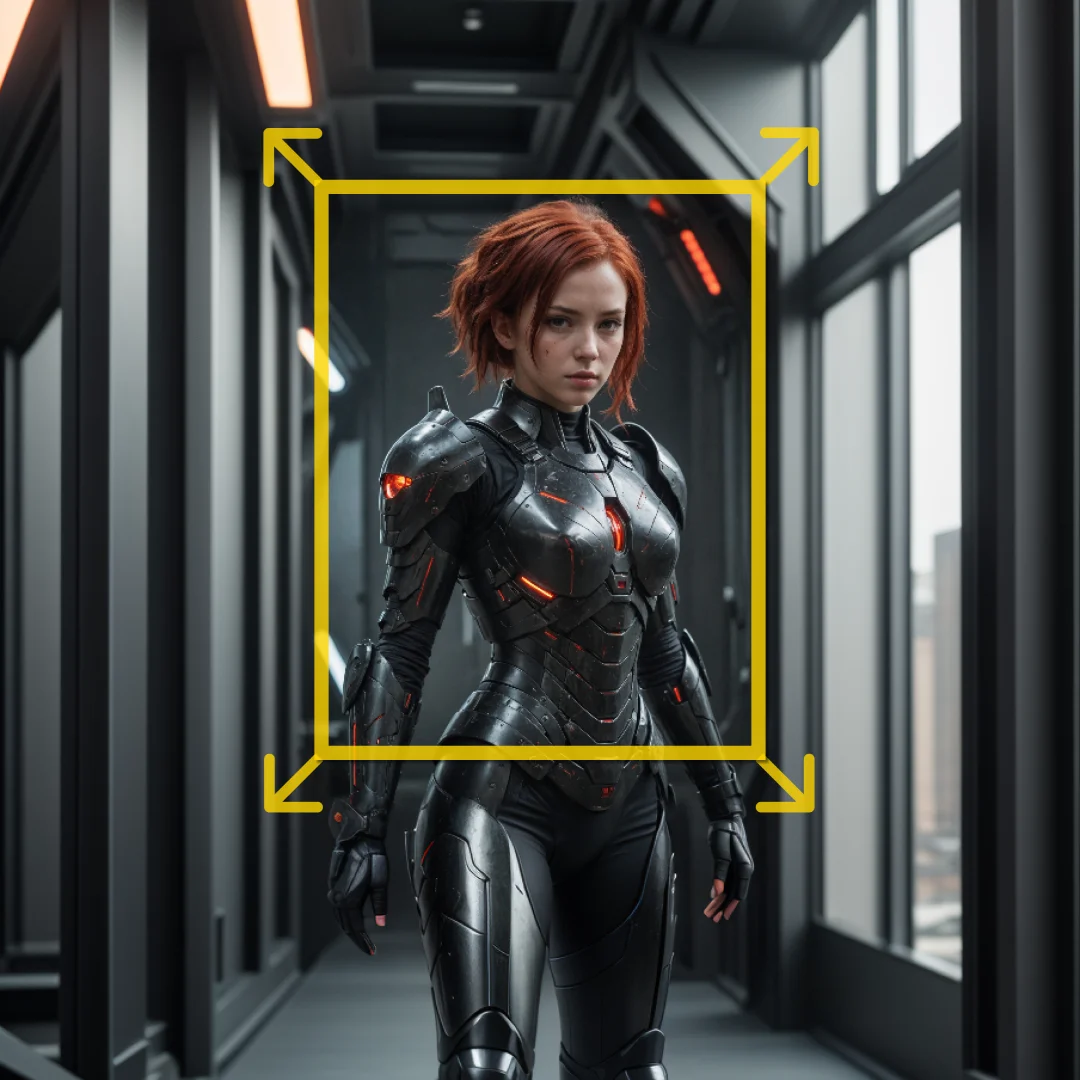
The 1hew_ImageResizeFluxKontext node is designed to resize images to optimal dimensions for use in flux kontext applications. This node is particularly beneficial for AI artists who need to adjust their images to fit specific resolutions while maintaining the quality and aspect ratio. It offers flexibility in resizing methods, such as stretching or padding, to ensure that the final output meets the desired specifications. By utilizing advanced interpolation techniques, this node ensures that the resized images retain their visual integrity, making it an essential tool for preparing images for further processing or display in various AI-driven art projects.
Image Resize FluxKontext Input Parameters:
preset_size
The preset_size parameter allows you to select a predefined resolution for the output image. This parameter is crucial for ensuring that the resized image fits within specific dimensions that are optimal for flux kontext applications. The available options are based on a list of preferred resolutions, which are designed to maintain the quality and aspect ratio of the original image. Selecting the appropriate preset size can significantly impact the visual quality and performance of the resized image in subsequent processing tasks.
fit
The fit parameter determines how the image will be resized to match the target dimensions. It offers options such as "stretch" and "pad," which dictate whether the image should be stretched to fill the entire space or padded to maintain its original aspect ratio. This parameter is essential for controlling the appearance of the resized image, as stretching can lead to distortion, while padding can preserve the original proportions by adding borders. Choosing the right fit option depends on the specific requirements of your project and the desired visual outcome.
pad_color
The pad_color parameter specifies the color used for padding when the "pad" fit option is selected. This parameter is important for ensuring that the padded areas of the image blend seamlessly with the rest of the content. You can choose a color that complements the image or matches the background of the intended display environment. The pad color can be specified as a string representing a color name or as a tuple of RGB values, providing flexibility in customizing the appearance of the padded image.
image
The image parameter is the input image tensor that you want to resize. This parameter is the primary input for the node, and its dimensions and content will determine the initial conditions for the resizing process. The image should be provided as a PyTorch tensor, which allows the node to perform efficient computations and transformations. Ensuring that the input image is of high quality and appropriate dimensions will contribute to the success of the resizing operation.
mask
The mask parameter is an optional input that allows you to specify a mask tensor for the image. This parameter is useful for cases where you want to apply selective resizing or transformations to specific regions of the image. The mask should be provided as a PyTorch tensor, and it can influence the interpolation and padding processes by highlighting areas of interest. Using a mask can enhance the precision and control of the resizing operation, especially in complex or detailed images.
Image Resize FluxKontext Output Parameters:
out_img
The out_img parameter is the output image tensor that has been resized according to the specified parameters. This output represents the final result of the resizing operation, and it is crucial for further processing or display in flux kontext applications. The out_img tensor retains the visual quality and integrity of the original image while conforming to the desired dimensions and aspect ratio. This output is essential for ensuring that the resized image meets the requirements of your project and is ready for use in subsequent stages.
out_msk
The out_msk parameter is the output mask tensor that corresponds to the resized image. This output is important for applications that require precise control over specific regions of the image, as it indicates which areas have been affected by the resizing process. The out_msk tensor can be used to apply additional transformations or effects to the resized image, providing a high level of customization and flexibility. This output is particularly valuable for projects that involve complex image manipulations or require detailed region-specific adjustments.
Image Resize FluxKontext Usage Tips:
- When selecting the
preset_size, consider the final display or processing environment to ensure that the resized image fits seamlessly into your project. - Use the
fitparameter wisely to balance between maintaining the original aspect ratio and filling the target dimensions, depending on the visual requirements of your project. - Customize the
pad_colorto match the theme or background of your project, especially when using the "pad" fit option, to create a cohesive visual appearance.
Image Resize FluxKontext Common Errors and Solutions:
Image tensor is None
- Explanation: This error occurs when the input image tensor is not provided or is set to
None. - Solution: Ensure that you provide a valid image tensor as input to the node. Check that the image is correctly loaded and passed to the node.
Invalid preset_size option
- Explanation: This error happens when an unsupported or incorrect
preset_sizeoption is selected. - Solution: Verify that the
preset_sizevalue matches one of the predefined resolutions. Refer to the list of preferred resolutions to select a valid option.
Mask tensor dimension mismatch
- Explanation: This error arises when the dimensions of the mask tensor do not match those of the input image tensor.
- Solution: Ensure that the mask tensor has the same spatial dimensions as the input image tensor. Adjust the mask size if necessary to align with the image dimensions.