



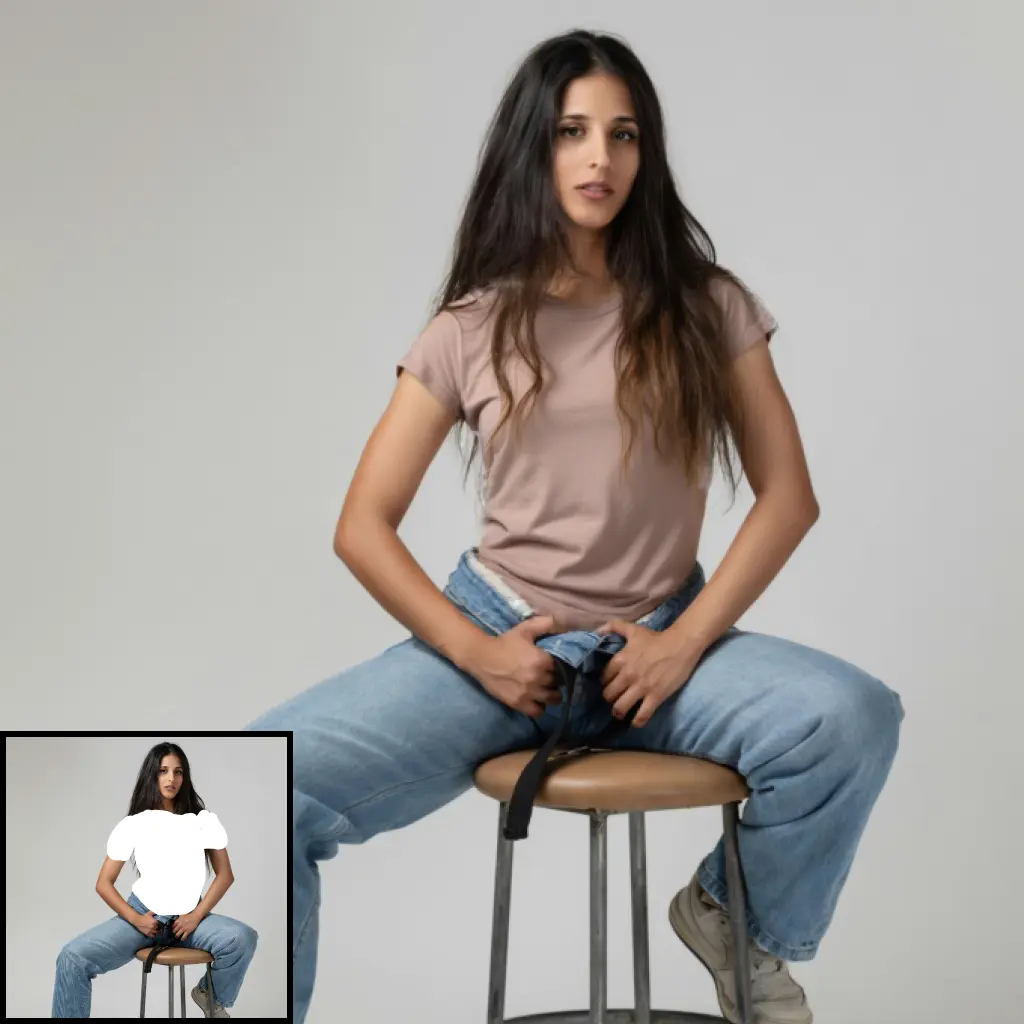
Image Blend Mode by CSS:
The 1hew_ImageBlendModeByCSS node is designed to facilitate advanced image blending techniques using CSS-inspired blend modes. This node allows you to combine two images in various creative ways, leveraging blend modes such as "soft light," "difference," "exclusion," and HSL-based modes like "hue," "saturation," "color," and "luminosity." By applying these blend modes, you can achieve a wide range of visual effects, from subtle lighting adjustments to dramatic color transformations. The node is particularly useful for AI artists looking to enhance their digital artwork by experimenting with different blending styles, offering a flexible and powerful tool for image composition.
Image Blend Mode by CSS Input Parameters:
overlay_image
The overlay_image parameter represents the image that will be blended on top of the base image. This input is crucial as it determines the visual content that will interact with the base image through the selected blend mode. The overlay image can significantly impact the final output, depending on its colors, textures, and patterns.
base_image
The base_image parameter is the foundational image onto which the overlay image will be blended. This image serves as the canvas for the blending operation, and its characteristics will influence how the overlay image is perceived in the final composition.
blend_mode
The blend_mode parameter allows you to select the blending technique to be applied between the base and overlay images. Options include "soft_light," "difference," "exclusion," "hue," "saturation," "color," and "luminosity." Each mode offers a unique way of combining the images, affecting the overall tone, contrast, and color dynamics. The default value is typically set to "normal."
Image Blend Mode by CSS Output Parameters:
image
The image output parameter provides the final blended image resulting from the application of the selected blend mode. This output is the culmination of the interaction between the base and overlay images, processed through the chosen blending technique. The resulting image can exhibit a wide range of visual effects, from subtle enhancements to bold artistic transformations, depending on the input images and blend mode used.
Image Blend Mode by CSS Usage Tips:
- Experiment with different blend modes to discover unique visual effects that enhance your artwork. Each mode can dramatically alter the appearance of the final image, so try various combinations to achieve the desired result.
- Use high-contrast overlay images with the "difference" blend mode to create striking visual contrasts and highlight specific elements within your composition.
Image Blend Mode by CSS Common Errors and Solutions:
Invalid blend mode selected
- Explanation: This error occurs when a blend mode that is not supported by the node is selected.
- Solution: Ensure that the blend mode you choose is one of the supported options: "soft_light," "difference," "exclusion," "hue," "saturation," "color," or "luminosity."
Image dimensions mismatch
- Explanation: This error arises when the base and overlay images have different dimensions, which can prevent proper blending.
- Solution: Make sure both images have the same dimensions before applying the blend mode. You can resize one of the images to match the other using an image editing tool.