Kling O1: Cinematic Image-to-Video Playground & API | RunComfy

kling/kling-video-o1/image-to-video

Kuaishou's Kling O1 transforms images into dynamic videos with support for start and end frames, offering industry-leading motion consistency and realism.

Use @Image1 to reference the start frame, @Image2 to reference the end frame.
Image to use as the first frame of the video. Accepted file types: jpg, jpeg, png, webp, gif, avif.
Image to use as the last frame of the video. Accepted file types: jpg, jpeg, png, webp, gif, avif.
Video duration in seconds.
Idle
The rate is $0.112 per second.

Introduction to Kling Video O1 Image-to-Video

Kling O1 is a cutting-edge generative model by Kuaishou that specializes in transforming static images into high-fidelity, cinema-grade videos with precise motion control. Designed for creators and professional teams, this Kling O1 Image-to-Video variant enables seamless start-to-end frame animation. For developers, Kling Video O1 Image-to-Video on RunComfy can be used both in the browser and via an HTTP API, so you don’t need to host or scale the model yourself.

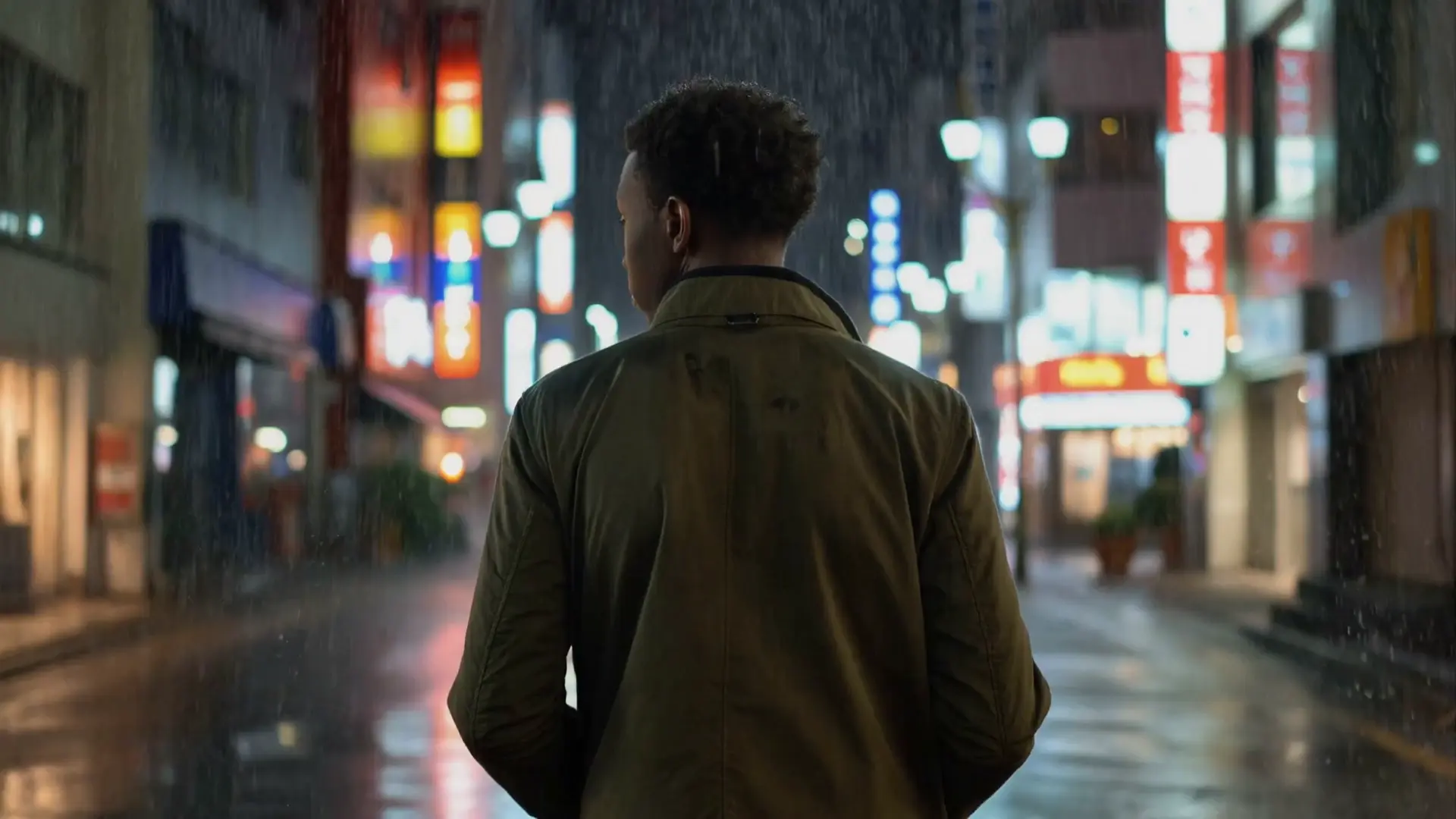
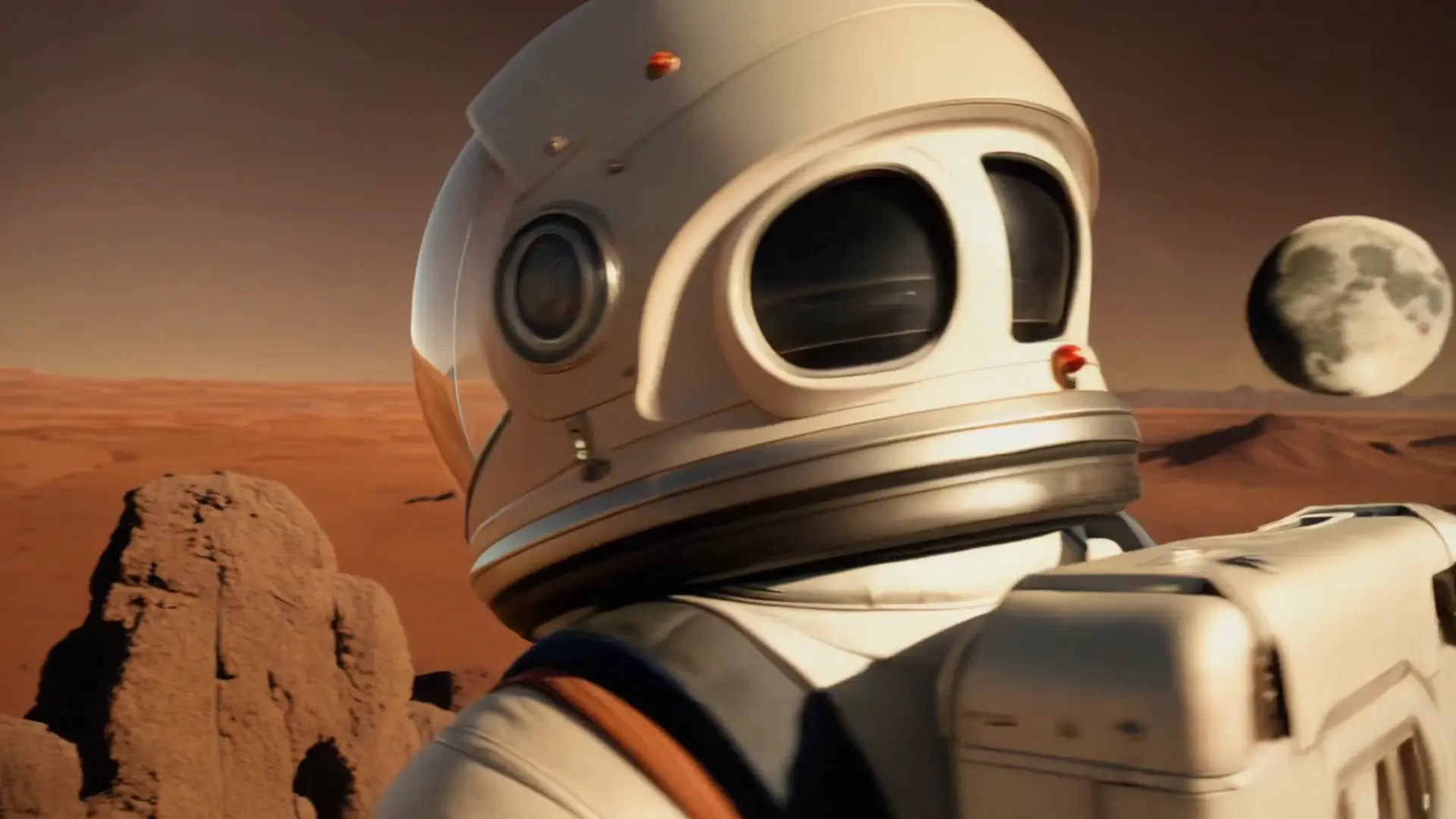
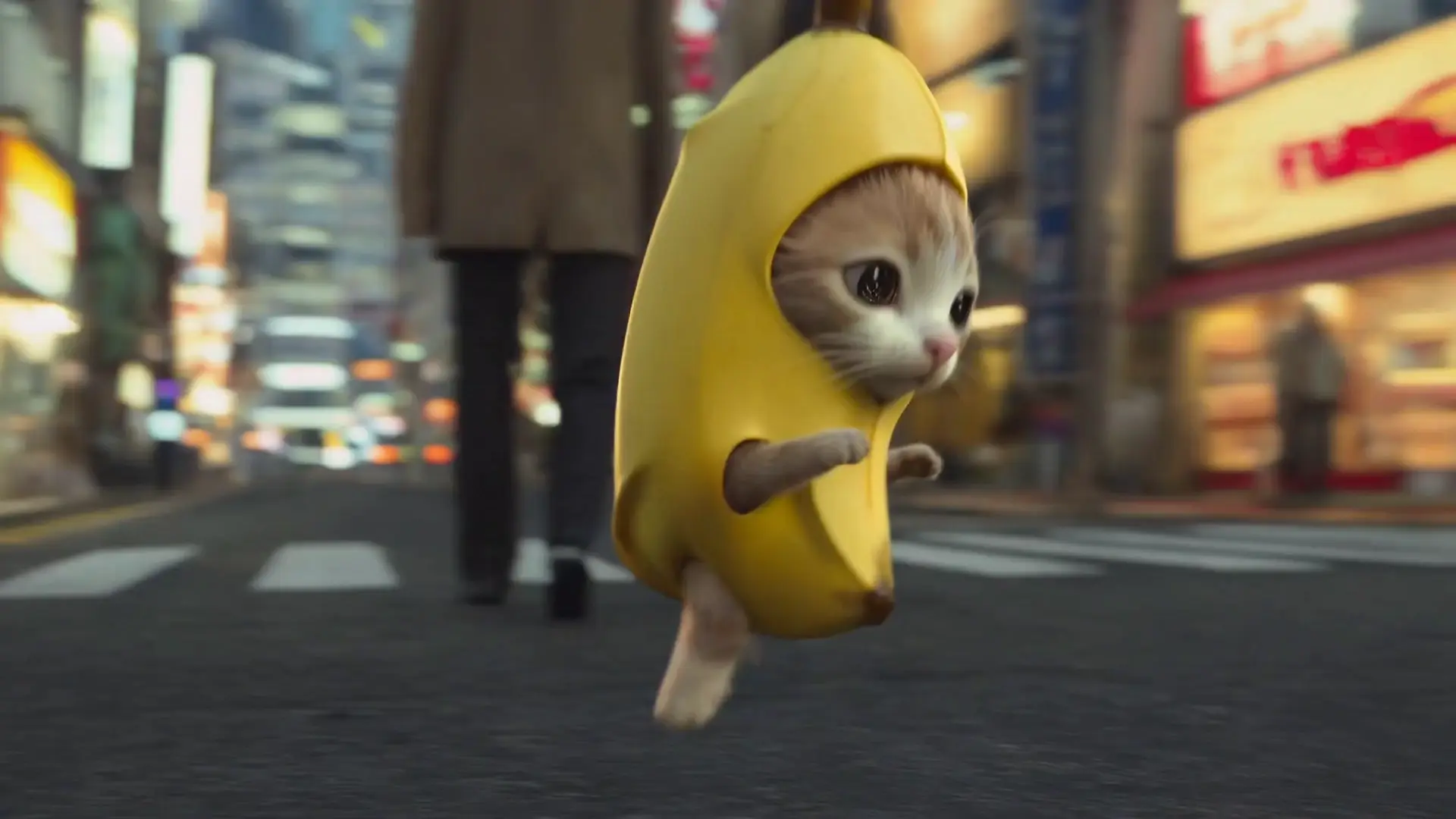
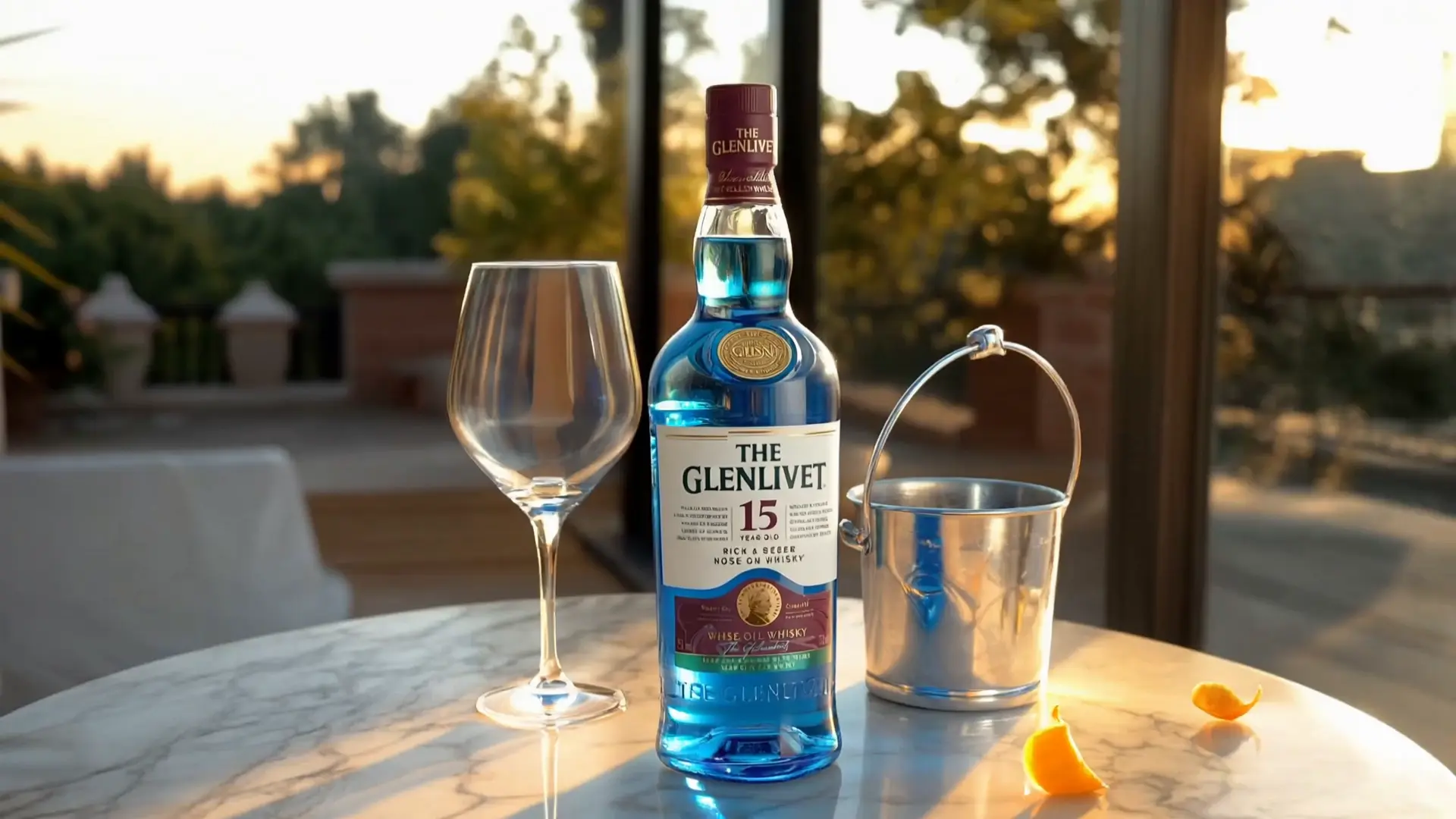
Examples of Kling O1 Media Transformations

Video thumbnail
Loading...
Video thumbnail
Loading...
Video thumbnail
Loading...
Video thumbnail
Loading...
Video thumbnail
Loading...
Video thumbnail
Loading...

For Developers: Kling O1 API & Integration Quickstart


Integrate the powerful Kling O1 Image-to-Video capabilities into your applications with ease using the RunComfy API. Below is a quick guide to getting started.


Access / API Key

To use the Kling O1 API, you need an API key from your RunComfy dashboard. Ensure your account is funded to handle requests.


Response Format & Parameters


The API returns a JSON object containing the output URL (the generated video file) upon completion. The specific input parameters for Kling O1 are defined as follows:


The prompt (string) is required to describe the desired motion or scene changes. You should use @Image1 to reference the start frame and @Image2 to reference the end frame within your text description.


The start_image_url (string) is the mandatory first frame of the video. The API accepts standard image formats like jpg, png, and webp. Ensure the file size is under 10 MB, and both dimensions exceed 300 pixels.


The end_image_url (string) is an mandatory parameter that defines the last frame of the video, allowing for precise transition control. It shares the same file size and resolution validation rules as the start image.


Finally, the duration (integer) parameter determines the length of the generated video. You can choose between a 5-second or 10-second generation.


Model Overview


The Kling O1 model represents a significant leap in AI video generation. Unlike standard text-to-video models, this specific Kling O1 workflow focuses on Image-to-Video synthesis, allowing users to define the exact starting and ending visual states of a clip. This makes it ideal for storyboarding, advertising, and content creation where specific visual continuity is required.


Capabilities

Kling O1 excels in understanding complex physics and lighting. Key capabilities include:


  • Image-to-Video Generation: Bring static photos to life.
  • Frame Interpolation: Smooth transition between a start image and an end image.
  • High fidelity: Maintains the texture and details of the input images.

Technical Specs & Requirements


To ensure optimal performance when using Kling O1, please adhere to the following specifications:


  • File Size Limit: Input images must be under 10 MB.
  • Resolution: Width and height must exceed 300 pixels.
  • Aspect Ratio: Between 0.40 and 2.50. Images outside this range may be cropped or rejected.
  • Supported Formats: jpg, jpeg, png, webp, gif, avif.
  • License: Kling O1 is subject to Kuaishou's usage license. Please refer to their official documentation for commercial usage rights.

Run Kling Video O1 Image-to-Video on RunComfy


Playground Experience

Our browser-based playground allows you to test Kling O1 immediately. Simply upload your start image, optionally add an end image, and watch the model generate professional-grade video in seconds. It is the fastest way to iterate on prompts before integrating the API.


Use as API

You can seamlessly switch from prototyping to production. The exact parameters you tweak in the playground are available via our scalable <a href="https://www.runcomfy.com/models/kling/kling-video-o1/image-to-video">API endpoint </a>.


Official Resources & Ecosystem


  • Official Website: <a href="https://app.klingai.com/global/release-notes/vaxrndo66h">Kuaishou Kling AI</a>
  • Community: Join the discussion on <a href="https://www.reddit.com/r/singularity/comments/1pbgg4f/kling_o1_a_new_model_that_can_edit_videos_and_more/">Reddit</a> regarding Kling O1 prompting techniques.

Related Playgrounds

Frequently Asked Questions

What specific tasks can the Kling O1 model handle on RunComfy?

The Kling O1 model on RunComfy is specialized for high-fidelity Image-to-Video generation. Unlike standard video models, this Kling O1 workflow allows you to define both a starting frame and an ending frame (using start_image_url and end_image_url), enabling precise control over the video's narrative and motion trajectory.

Can I use Kling O1 output for commercial projects?

Commercial usage of Kling O1 depends on Kuaishou's specific licensing terms, as they are the original model creators. While RunComfy provides the infrastructure and API to run the model, you must ensure your project complies with the official Kling O1 usage policy regarding commercial rights and attribution.

What are the strict image requirements for inputs in Kling O1?

To ensure successful generation with Kling O1, your input images must be under 10 MB in file size. Additionally, both width and height must exceed 300 pixels, and the aspect ratio must fall between 0.40 and 2.50. Images outside these Kling O1 specifications may result in validation errors.

How does the API handle concurrency and latency for Kling O1?

Video generation with Kling O1 is computationally intensive. While generation time varies based on the selected duration (5s or 10s), RunComfy’s infrastructure manages concurrency automatically. This ensures that even during high traffic, your Kling O1 API requests are queued and processed efficiently without you needing to manage GPU scaling.

How do I transition from the Playground to a production API integration?

Transitioning is seamless. Once you have tested your prompts and parameters in the Kling O1 Playground, you can use the exact same inputs (like prompt, start_image_url, and duration) in your code. Simply call the RunComfy HTTP endpoint to integrate Kling O1 directly into your application.

Does Kling O1 support frame interpolation between two specific images?

Yes. The Kling O1 Image-to-Video mode is designed for this. You should provide both a start image and an end image in the API parameters. In your prompt, use the references @Image1 and @Image2 to guide Kling O1 on how to transition between these two visual states.

RunComfy
Copyright 2025 RunComfy. All Rights Reserved.

RunComfy is the premier ComfyUI platform, offering ComfyUI online environment and services, along with ComfyUI workflows featuring stunning visuals. RunComfy also provides AI Models, enabling artists to harness the latest AI tools to create incredible art.