



Conditioning Add Image Reference (Dual):
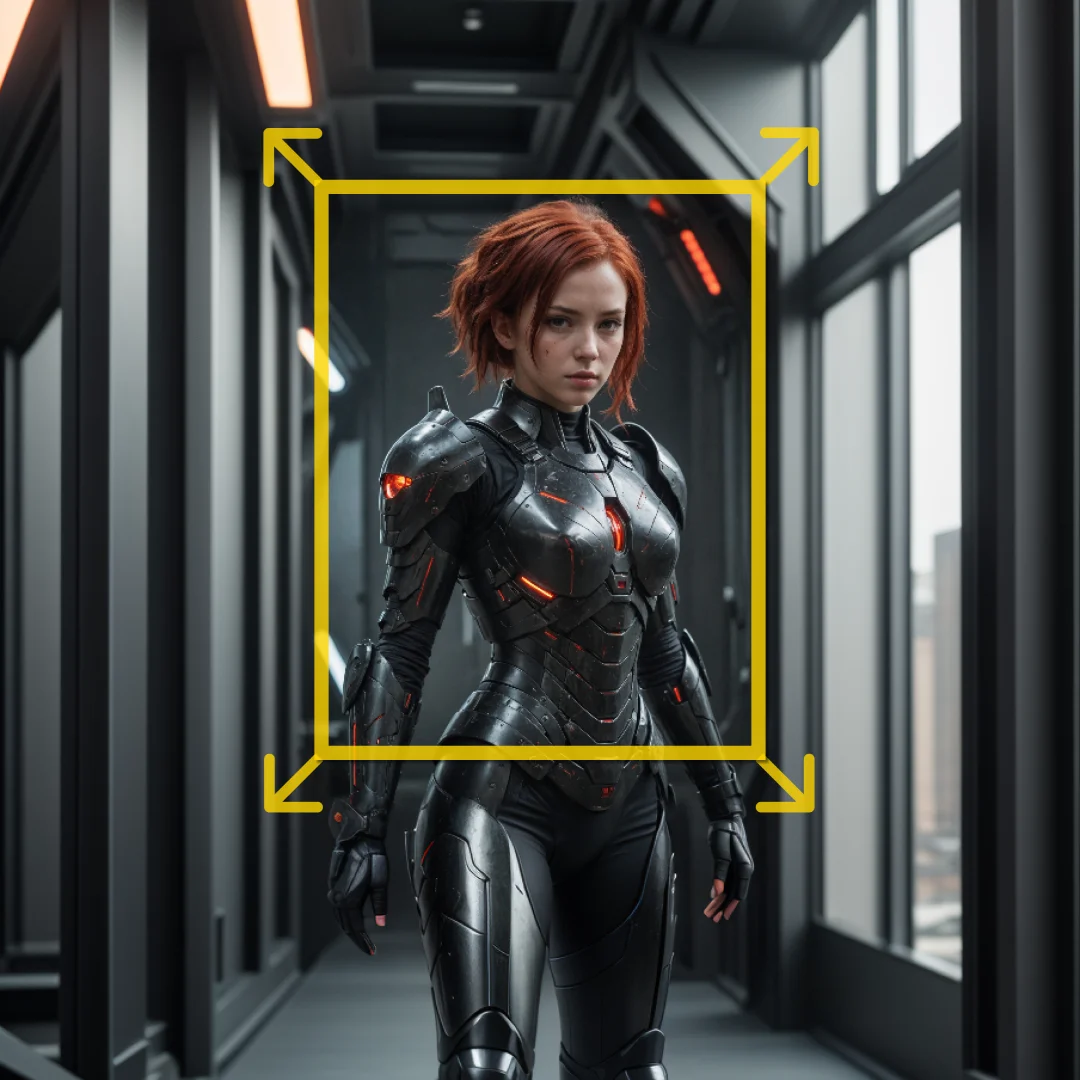
The ConditioningAddImageReferenceDual node is designed to enhance the conditioning process in AI models by incorporating image references. This node allows you to add multiple image references to both positive and negative conditioning sets, which can significantly improve the model's ability to understand and generate content based on visual cues. By leveraging image references, this node helps in refining the model's output, making it more aligned with the desired visual characteristics. The primary goal of this node is to provide a flexible and efficient way to integrate visual information into the conditioning process, thereby enhancing the overall quality and relevance of the generated content.
Conditioning Add Image Reference (Dual) Input Parameters:
positive
The positive parameter represents the initial set of positive conditioning data. This data is enhanced by adding image references, which help in guiding the model towards generating outputs that align with the desired positive attributes. The impact of this parameter is significant as it directly influences the model's understanding of what constitutes a positive outcome.
negative
The negative parameter is similar to the positive parameter but is used for negative conditioning data. By adding image references to this set, the node helps the model understand what should be avoided in the generated content. This parameter is crucial for refining the model's ability to distinguish between desirable and undesirable attributes.
max_images_allowed
This parameter specifies the maximum number of image references that can be processed. It is an integer value that determines how many images will be considered for conditioning. The default value is "3", meaning up to three images can be used. Adjusting this parameter allows you to control the amount of visual information integrated into the conditioning process.
vae
The vae parameter refers to the Variational Autoencoder used for encoding the image references into latent representations. This parameter is essential as it transforms the images into a format that can be utilized by the model for conditioning purposes.
image1, image2, image3
These parameters represent the image references that can be added to the conditioning sets. Each image is processed and encoded into a latent representation, which is then used to enhance the conditioning data. The presence of these images allows the node to incorporate specific visual cues into the model's understanding.
Conditioning Add Image Reference (Dual) Output Parameters:
positive
The positive output parameter contains the enhanced positive conditioning data, now including the latent representations of the image references. This enriched data helps the model generate outputs that are more closely aligned with the desired positive attributes.
negative
The negative output parameter provides the enhanced negative conditioning data, incorporating the image references. This output is crucial for guiding the model away from undesirable attributes, ensuring that the generated content meets the specified criteria.
Conditioning Add Image Reference (Dual) Usage Tips:
- To maximize the effectiveness of this node, ensure that the image references used are highly relevant to the desired output characteristics. This will help the model better understand the visual cues you wish to emphasize.
- Adjust the
max_images_allowedparameter based on the complexity of the task. For tasks requiring more nuanced visual understanding, allowing more images can provide the model with richer information.
Conditioning Add Image Reference (Dual) Common Errors and Solutions:
"VAE not provided"
- Explanation: This error occurs when the Variational Autoencoder (VAE) is not supplied, which is necessary for encoding image references.
- Solution: Ensure that a valid VAE is provided as an input to the node to enable the encoding of image references.
"Image reference exceeds max_images_allowed"
- Explanation: This error indicates that the number of image references provided exceeds the specified
max_images_allowed. - Solution: Check the number of image references and ensure it does not exceed the
max_images_allowedparameter. Adjust the parameter if more images are needed.