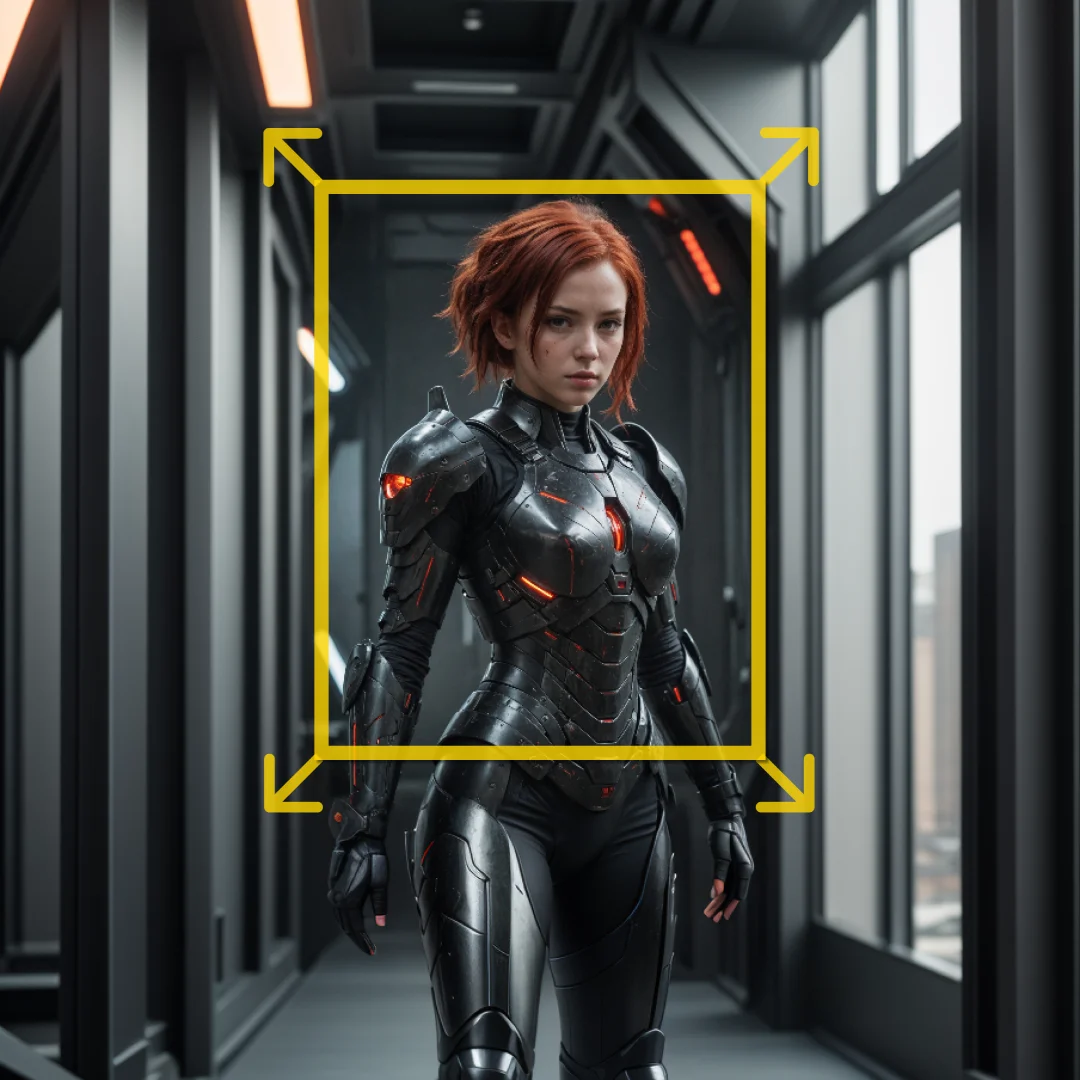
IPAdapter Regional Conditioning V2:
IPAdapterRegionalConditioningV2 is a specialized node designed to enhance image processing tasks by applying regional conditioning to images. This node allows you to manipulate specific areas of an image by adjusting weights and applying masks, which can be particularly useful for tasks that require precise control over image regions, such as style transfer or composition adjustments. By leveraging regional conditioning, you can achieve more nuanced and targeted modifications, enhancing the overall quality and specificity of the output. The node's primary goal is to provide a flexible and powerful tool for artists and developers to fine-tune image processing workflows, ensuring that the desired effects are applied only where needed, without affecting the entire image.
IPAdapter Regional Conditioning V2 Input Parameters:
image
The image parameter is the primary input for the node, representing the image that will undergo regional conditioning. This parameter is crucial as it serves as the base upon which all subsequent modifications and conditioning will be applied. The image should be provided in a compatible format that the node can process effectively.
image_weight
The image_weight parameter determines the intensity or influence of the conditioning applied to the image. A higher weight value will result in more pronounced effects, while a lower value will yield subtler changes. This parameter allows you to control the strength of the conditioning, providing flexibility in achieving the desired visual outcome.
prompt_weight
The prompt_weight parameter is used to adjust the strength of the conditioning based on the provided prompt. It influences how strongly the conditioning adheres to the specified prompt, allowing for dynamic adjustments based on the context or desired effect. This parameter is essential for fine-tuning the conditioning process to align with specific artistic or compositional goals.
weight_type
The weight_type parameter specifies the type of weighting applied during the conditioning process. Different weight types can lead to varying effects, offering a range of possibilities for how the conditioning is applied. This parameter provides additional control over the conditioning process, enabling you to experiment with different approaches to achieve the best results.
start_at
The start_at parameter defines the starting point in the image processing timeline where the conditioning should begin. This allows for precise control over when the conditioning effects are applied, ensuring that they occur at the most appropriate moment in the processing sequence.
end_at
The end_at parameter specifies the endpoint in the image processing timeline for the conditioning effects. By setting this parameter, you can control the duration of the conditioning, ensuring that it is applied only for the desired period, which can be crucial for achieving specific timing or sequencing effects.
mask
The mask parameter is an optional input that allows you to define specific areas of the image to be conditioned. By using a mask, you can target particular regions for conditioning, leaving other areas unaffected. This parameter is vital for tasks that require selective conditioning, such as focusing on a subject while leaving the background unchanged.
positive
The positive parameter is an optional input that can be used to enhance or emphasize certain aspects of the image during conditioning. When provided, it allows for additional positive reinforcement of the conditioning effects, which can be useful for highlighting specific features or areas of interest.
negative
The negative parameter is an optional input that can be used to suppress or de-emphasize certain aspects of the image during conditioning. This parameter provides a way to counterbalance the conditioning effects, ensuring that unwanted features or areas are minimized or removed.
IPAdapter Regional Conditioning V2 Output Parameters:
ipadapter_params
The ipadapter_params output is a structured set of parameters that encapsulate the conditioning settings applied to the image. This output is crucial for understanding and replicating the conditioning process, as it contains all the relevant information about the weights, masks, and timing used during conditioning.
positive
The positive output reflects the enhanced or emphasized aspects of the image after conditioning. It provides insight into how the positive conditioning effects have been applied, allowing you to assess the impact of the conditioning on the image's features or areas of interest.
negative
The negative output represents the suppressed or de-emphasized aspects of the image following conditioning. This output is important for evaluating the effectiveness of the negative conditioning, ensuring that unwanted features or areas have been appropriately minimized or removed.
IPAdapter Regional Conditioning V2 Usage Tips:
- Experiment with different
image_weightandprompt_weightvalues to achieve the desired intensity of conditioning effects. Adjusting these parameters can help you find the right balance between subtlety and impact. - Utilize the
maskparameter to target specific regions of the image for conditioning. This can be particularly useful for tasks that require selective adjustments, such as enhancing a subject while leaving the background unchanged. - Consider using the
positiveandnegativeparameters to fine-tune the conditioning effects. These parameters allow you to emphasize or suppress certain aspects of the image, providing additional control over the final output.
IPAdapter Regional Conditioning V2 Common Errors and Solutions:
Invalid image format
- Explanation: The provided image is not in a compatible format for processing.
- Solution: Ensure that the image is in a supported format, such as JPEG or PNG, before inputting it into the node.
Mask dimension mismatch
- Explanation: The dimensions of the mask do not match the dimensions of the image.
- Solution: Verify that the mask is the same size as the image to ensure proper alignment and application of conditioning effects.
Weight type not recognized
- Explanation: The specified
weight_typeis not valid or supported by the node. - Solution: Check the available weight types and ensure that the specified type is correct and supported by the node.