



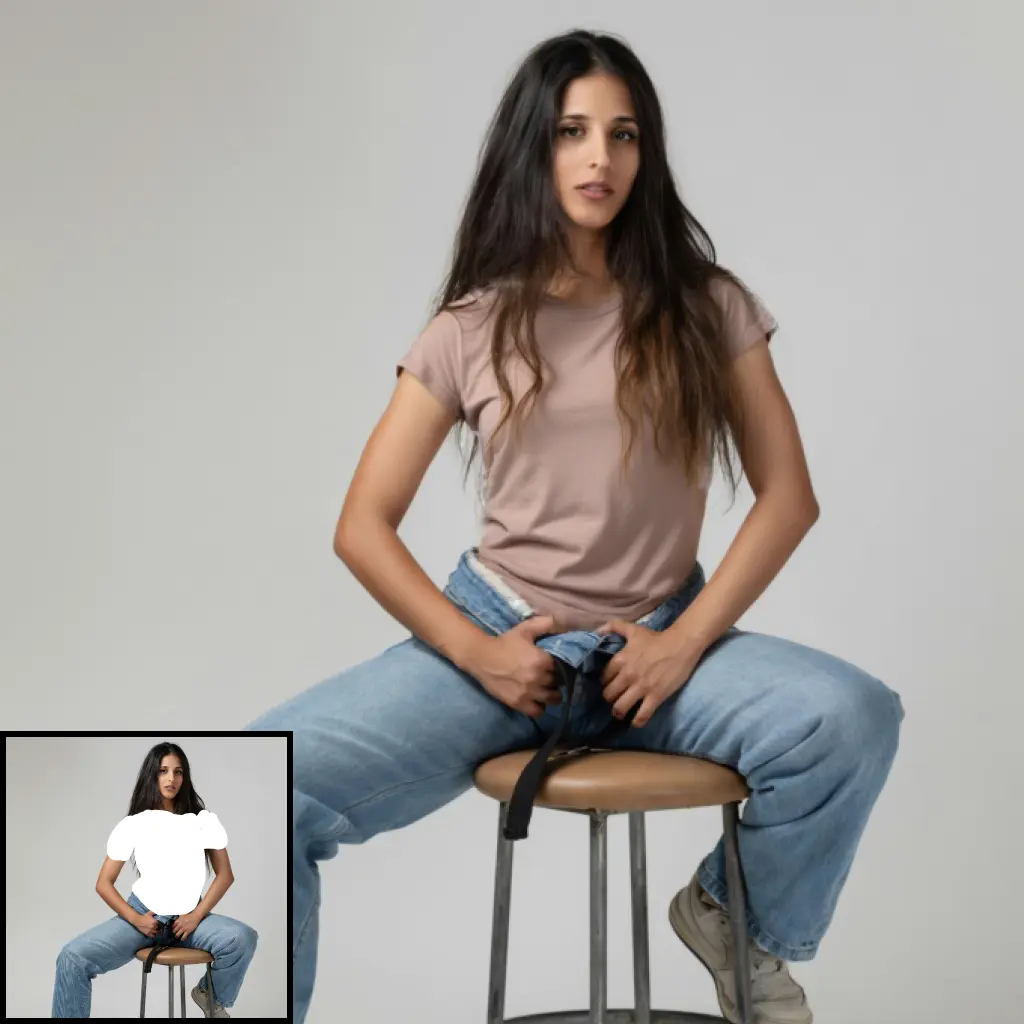
Technicolor 2 FX (CRT):
Technicolor2FX is a sophisticated image processing node designed to apply a technicolor effect to images, enhancing their visual appeal by manipulating color channels and intensities. This node is particularly useful for artists looking to add a vintage or cinematic look to their digital artwork. By adjusting various parameters, you can control the strength, brightness, and saturation of the effect, allowing for a wide range of creative possibilities. The node processes each image in a batch, applying complex transformations to invert colors, adjust brightness, and modify saturation, resulting in a unique and stylized output. Its primary goal is to provide a flexible tool for artists to experiment with color dynamics and achieve desired artistic effects.
Technicolor 2 FX (CRT) Input Parameters:
image
The image parameter is the input image tensor that you want to apply the technicolor effect to. It serves as the base upon which all transformations are applied. This parameter is essential as it provides the visual data that will be manipulated by the node.
strength
The strength parameter controls the intensity of the technicolor effect applied to the image. It ranges from 0.0 to 1.0, with a default value of 1.0. A higher strength value results in a more pronounced effect, while a lower value yields a subtler transformation.
brightness
The brightness parameter adjusts the overall brightness of the processed image. It ranges from 0.5 to 1.5, with a default value of 1.0. Increasing the brightness value will make the image appear lighter, while decreasing it will darken the image.
saturation
The saturation parameter modifies the color saturation of the image, affecting how vivid or muted the colors appear. It ranges from 0.0 to 1.5, with a default value of 1.0. Higher saturation values enhance color intensity, while lower values reduce it.
color_strength_r
The color_strength_r parameter determines the strength of the red color channel in the technicolor effect. It ranges from 0.0 to 1.0, with a default value of 0.2. Adjusting this parameter influences the prominence of red hues in the final image.
color_strength_g
The color_strength_g parameter controls the strength of the green color channel. It ranges from 0.0 to 1.0, with a default value of 0.2. This parameter affects the intensity of green tones in the processed image.
color_strength_b
The color_strength_b parameter sets the strength of the blue color channel. It ranges from 0.0 to 1.0, with a default value of 0.2. Modifying this parameter alters the dominance of blue shades in the output image.
Technicolor 2 FX (CRT) Output Parameters:
IMAGE
The output parameter is an IMAGE, which is the processed image tensor with the technicolor effect applied. This output is the result of the node's transformations, showcasing the adjusted colors, brightness, and saturation as specified by the input parameters. The output image is ready for further processing or final use in your artistic projects.
Technicolor 2 FX (CRT) Usage Tips:
- Experiment with different
strengthvalues to achieve the desired level of technicolor effect, from subtle to dramatic. - Use the
brightnessparameter to compensate for any unwanted darkening or lightening caused by the effect. - Adjust the
saturationto enhance or mute colors, depending on the artistic style you aim to achieve. - Fine-tune the
color_strength_r,color_strength_g, andcolor_strength_bparameters to emphasize specific color channels and create unique color dynamics.
Technicolor 2 FX (CRT) Common Errors and Solutions:
RuntimeError: Expected all tensors to be on the same device
- Explanation: This error occurs when the input image tensor and the color strength tensor are not on the same device (e.g., CPU vs. GPU).
- Solution: Ensure that all tensors are moved to the same device before processing. You can do this by checking the device of the input image and moving other tensors accordingly.
ValueError: Input image tensor has incorrect shape
- Explanation: This error arises when the input image tensor does not have the expected shape, which should be a 4D tensor with dimensions corresponding to batch size, channels, height, and width.
- Solution: Verify that the input image tensor is correctly shaped and contains the necessary dimensions. Reshape or preprocess the image tensor if needed before passing it to the node.