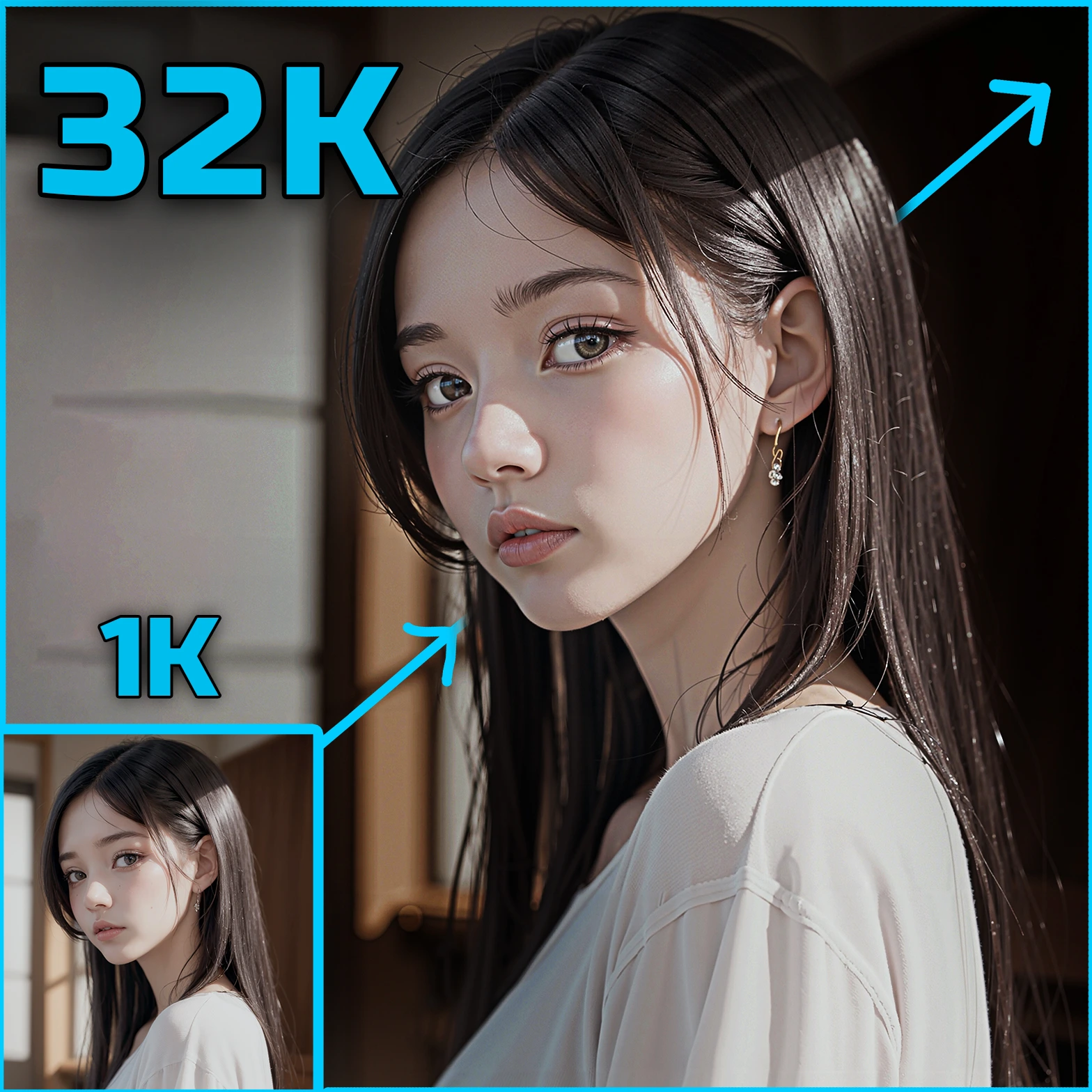
Upscale using model adv (CRT):
The CRT_UpscaleModelAdv node is designed to enhance the resolution of images using advanced upscaling techniques. This node leverages sophisticated models to increase the size of images while maintaining or even improving their quality. It offers a range of features that allow you to customize the upscaling process, such as choosing specific models, setting fixed resolutions, and adjusting output multipliers. The node is particularly beneficial for AI artists who need to upscale images for high-resolution displays or detailed prints, as it provides flexibility and control over the final output. By utilizing caching and model offloading, it optimizes performance and resource usage, making it a powerful tool for image enhancement tasks.
Upscale using model adv (CRT) Input Parameters:
image
This parameter represents the input image that you want to upscale. It is the starting point for the upscaling process, and the quality of the input image can affect the final result.
upscale_model_name
This parameter allows you to select the specific upscaling model from the available models in the models/upscale_models folder. The choice of model can significantly impact the quality and characteristics of the upscaled image.
use_fixed_resolution
This boolean parameter determines whether to use a fixed width and height for the output image instead of a multiplier. By default, it is set to False. Enabling this option allows you to specify exact dimensions for the upscaled image, which can be useful for specific size requirements.
output_multiplier
This parameter is a float that sets the multiplier for the final output size relative to the input image. It ranges from 0.25 to 8.0, with a default value of 1.0. A multiplier of 1.0 means the output size will be the same as the input, while a multiplier of 2.0 will double the input size.
fixed_width
This integer parameter specifies the target width for the upscaled image when use_fixed_resolution is enabled. It ranges from 64 to 8192, with a default value of 1024. This allows you to define the exact width of the output image.
fixed_height
This integer parameter specifies the target height for the upscaled image when use_fixed_resolution is enabled. Similar to fixed_width, it ranges from 64 to 8192, with a default value of 1024, allowing you to define the exact height of the output image.
tile_count
This parameter determines the number of tiles to use during the upscaling process. Tiling can help manage memory usage and improve performance, especially for large images.
precision
This parameter sets the precision level for the upscaling process, which can affect the quality and speed of the operation. Higher precision may result in better quality but could require more computational resources.
batch_size
This parameter specifies the number of images to process in a single batch. Adjusting the batch size can help optimize performance based on your system's capabilities.
offload_model
This boolean parameter determines whether to offload the model to save VRAM during the upscaling process. Enabling this option can help manage memory usage on systems with limited resources.
disable_cache
This boolean parameter controls whether caching is disabled during the upscaling process. By default, caching is enabled to improve performance by reusing previous results. Disabling caching forces the node to process the image from scratch each time.
Upscale using model adv (CRT) Output Parameters:
final_result
This output parameter is the upscaled image, which is the primary result of the node's operation. It represents the enhanced version of the input image, with increased resolution and potentially improved quality.
final_width
This output parameter indicates the width of the upscaled image. It provides information about the dimensions of the final result, which can be useful for verifying that the output meets your size requirements.
final_height
This output parameter indicates the height of the upscaled image. Like final_width, it helps confirm that the output dimensions align with your expectations or specifications.
Upscale using model adv (CRT) Usage Tips:
- To achieve the best quality, experiment with different
upscale_model_nameoptions to find the model that best suits your image type and desired output. - Use the
output_multiplierto quickly adjust the size of the output image relative to the input, especially when you do not have specific size requirements. - Enable
use_fixed_resolutionwhen you need the output image to match specific dimensions, such as for print or display purposes. - Consider enabling
offload_modelif you are working on a system with limited VRAM to prevent memory issues during the upscaling process.
Upscale using model adv (CRT) Common Errors and Solutions:
Failed to load upscale model
- Explanation: This error occurs when the specified upscaling model cannot be loaded, possibly due to a missing or corrupted model file.
- Solution: Ensure that the model file exists in the
models/upscale_modelsfolder and is not corrupted. Verify that theupscale_model_nameis correctly specified.
Cache Miss
- Explanation: This message indicates that the requested upscale result was not found in the cache, so the node will process the image from scratch.
- Solution: This is not an error but an informational message. If you want to avoid processing from scratch, ensure that caching is enabled and that the same parameters are used for subsequent requests.
Caching Disabled
- Explanation: This message appears when caching is disabled, meaning the node will not store the result for future use.
- Solution: If you want to enable caching, ensure that the
disable_cacheparameter is set toFalse. This will allow the node to store and reuse results, improving performance for repeated operations.