Animate a single image into a smooth video with Kling 2.1 Pro.
Veo 3.1 Video Extend: Continuity-Preserving Video-to-Video Generation on playground and API | RunComfy
Veo 3.1 Extend Video extends short Veo clips into longer, seamless videos with scene-aware transitions, consistent style, and 1080p quality for filmmakers, marketers, and creative production workflows.
Introduction to Veo 3.1 Video Extend
Google DeepMind's Veo 3.1 Pro Video Extend feature turns short Veo clips into longer, continuity-preserving sequences, delivering up to 1080p output (extensions often at 720p) at $0.20/second (audio off) or $0.40/second (audio on), via last-second-conditioned scene extension. Trading manual shot stitching and frame-by-frame continuity fixes for context-aware scene extension with reference-image consistency, first-and-last-frame control, and seamless audio transitions, Veo 3.1 Video Extend streamlines production by eliminating complex masking and re-renders, built for filmmakers, advertisers, and production studios. For developers, Veo 3.1 Video Extend on RunComfy can be used both in the browser and via an HTTP API, so you don’t need to host or scale the model yourself.
Ideal for: Long-Form Story Extensions | Brand-Consistent Campaign Sequences | Multi-Scene Vertical Shorts
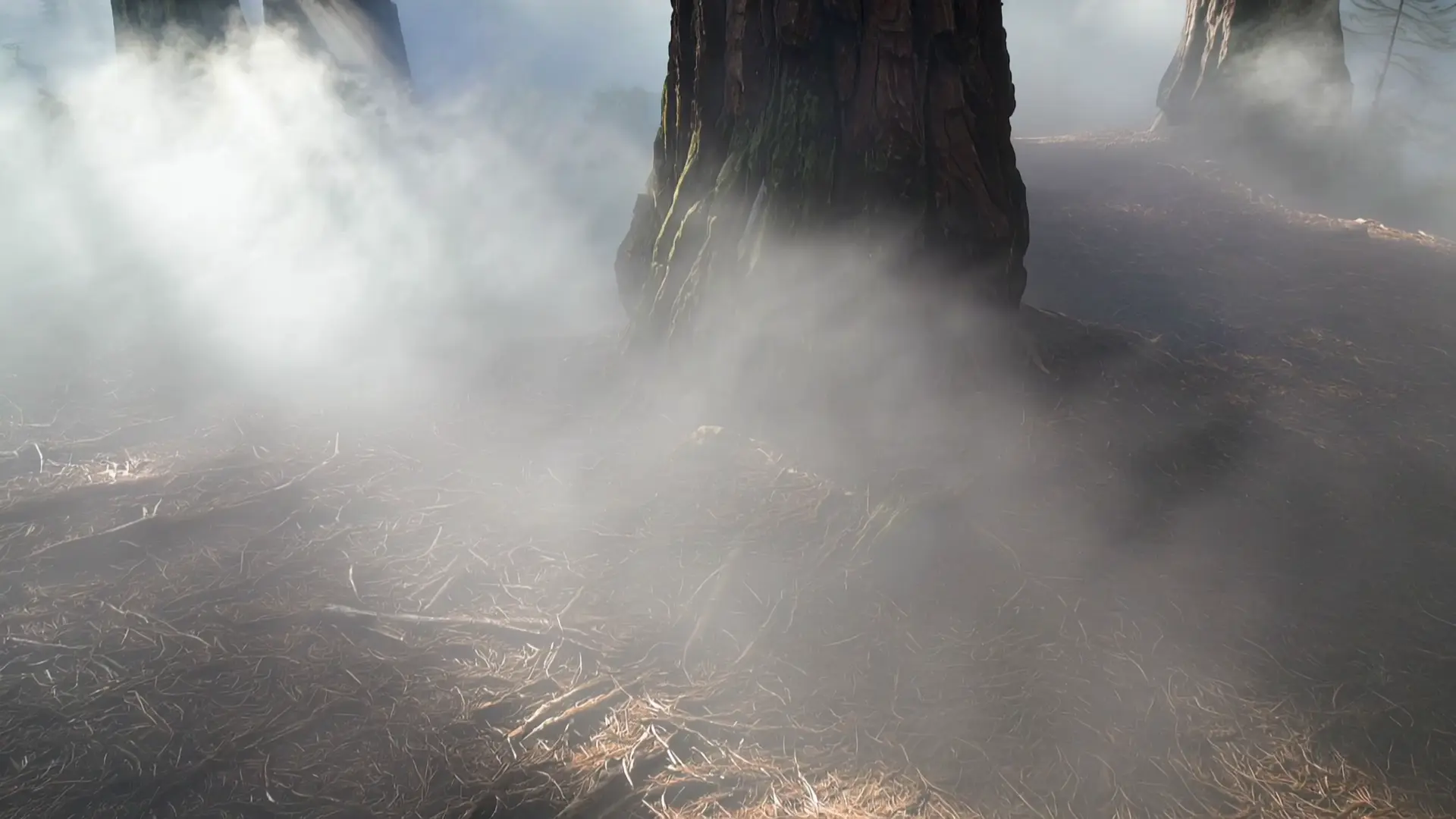
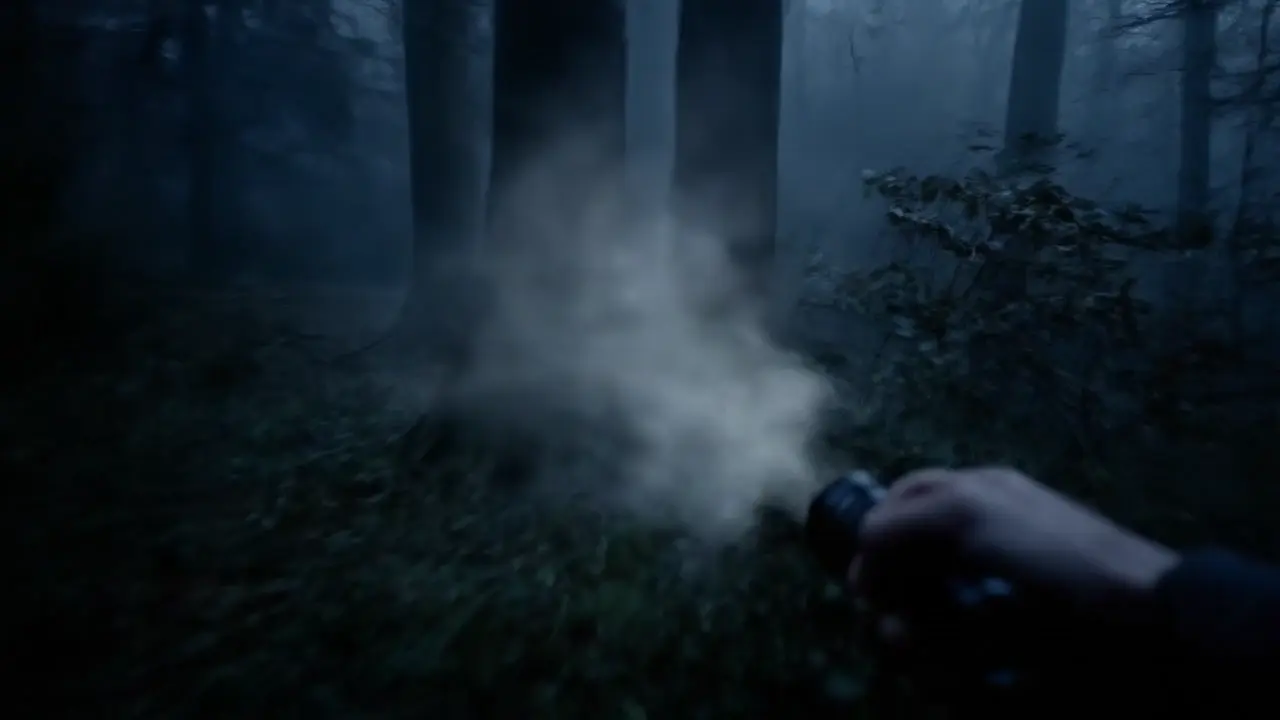
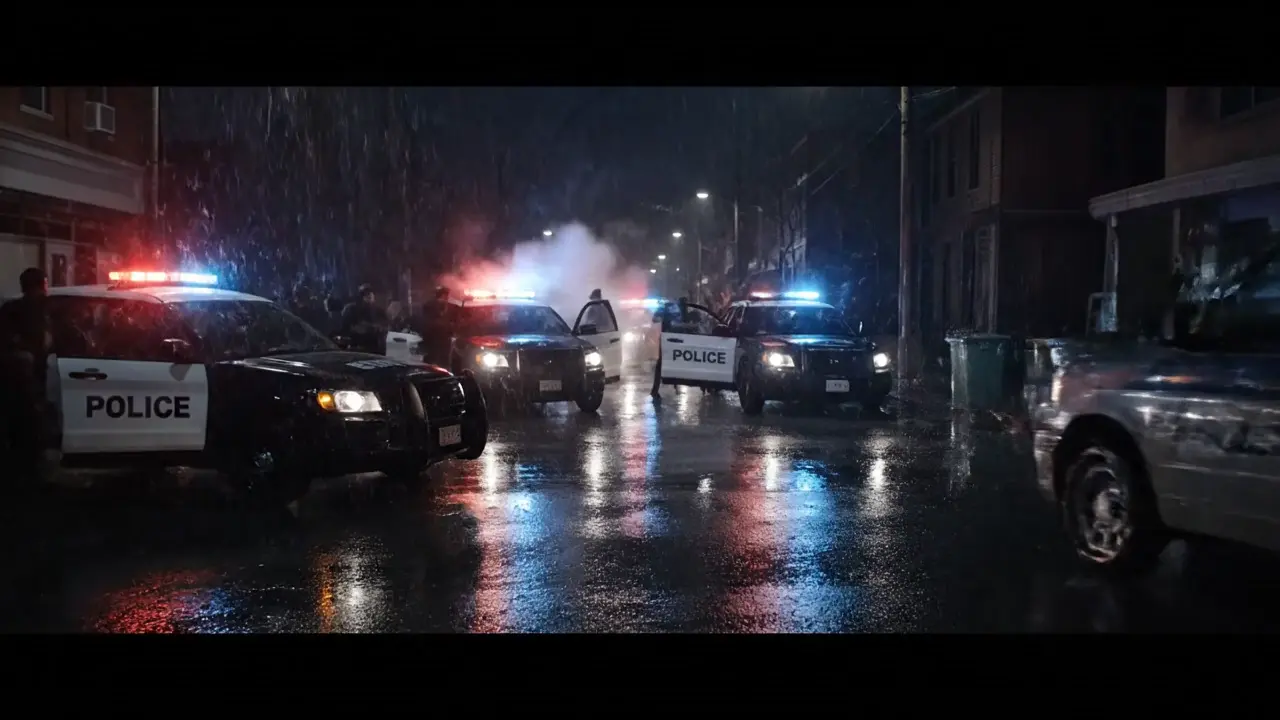
Examples of Veo 3.1 Video Extend


Model Overview
- Provider: Google / DeepMind (Veo)
- Task: video-to-video
- Max Resolution/Duration: 720p per extension hop, 7s per hop; multi-hop chaining supported (inputs may be 720p or 1080p in 16:9 or 9:16)
- Summary: Veo 3.1 Video Extend is a scene-aware video-to-video continuation feature that seamlessly appends new footage to an existing Veo clip while preserving style, motion, and narrative flow. It maintains character and scene consistency, aligns with the last second of the source, and supports native audio generation. Designed for technical artists, it enables long-form sequences by chaining 7s extension hops with stable visual and audio continuity.
Key Capabilities
Seamless scene-aware continuation
- Extends a prior Veo clip by conditioning on its final second, producing transitions that feel natural and narrative-consistent.
- Output maintains pacing and motion coherence for multi-hop sequences, minimizing visual discontinuities between segments.
Consistent style, character, and framing
- Preserves style and subject identity across hops, aligning with the source and optional reference controls for reliable continuity.
- Ensures stable look, composition, and camera intent, reducing drift in longer sequences.
Native audio carryover and sync
- Generates ambient sound, dialogue, and effects synchronized to visuals, preserving or smoothly transitioning background audio between hops.
- Useful for longer storytelling where audio continuity is as critical as visual consistency.
Input Parameters
Core Prompts
| Parameter | Type | Default/Range | Description |
|---|---|---|---|
| prompt | string | "" | Text instruction describing how the scene should continue from the provided video’s last second. |
| video_url | string (video_uri) | "" | URL of the source Veo video to extend. Must be 720p or 1080p and 16:9 or 9:16. |
Dimensions & Settings
| Parameter | Type | Default/Range | Description |
|---|---|---|---|
| aspect_ratio | enum | auto, 16:9, 9:16 (default: auto) | Aspect ratio for the output hop. Use auto to inherit the source video; if set manually, it must match the source AR. |
| duration | enum | 7s (default: 7s) | Length per extension hop. Chain multiple hops for longer total duration. |
| resolution | enum | 720p (default: 720p) | Output resolution per hop. Inputs can be 720p or 1080p; extension output is 720p in this mode. |
Advanced
| Parameter | Type | Default/Range | Description |
|---|---|---|---|
| generate_audio | boolean | true | If true, generates native audio synchronized with the extended visuals; set false for silent output. |
| auto_fix | boolean | false | Attempts to auto-rewrite prompts that fail policy or validation checks. |
How Veo 3.1 Video Extend compares to other models
- Vs Veo 3.0: Compared to 3.0, Veo 3.1 Video Extend delivers scene extension (multi-hop continuation), stronger prompt adherence, improved aspect ratio coverage, and native audio continuity. Ideal when you need long-form sequences rather than fixed-length clips.
- Vs Wan 2.5: Compared to Wan 2.5, Veo 3.1 Video Extend offers chained video-to-video continuation with stable character/style consistency and synchronized audio across hops. Choose this when narrative coherence across multiple segments is crucial.
- Vs Seedance 1.0 Pro: Compared to Seedance, Veo 3.1 Video Extend provides more mature scene extension and identity consistency for longer outputs. Use this for branded stories and multi-shot sequences with stable look and feel.
- Ideal Use Case: Use Veo 3.1 Video Extend when you must grow short Veo clips into longer narratives with consistent style, subjects, and synchronized audio.
API Integration
Developers can integrate Veo 3.1 Video Extend using the RunComfy API with standard HTTP requests and JSON payloads. Provide the source video_url, a continuation prompt, and your dimensions/settings to generate 7s extension hops; chain calls programmatically to build longer videos with consistent output.
Note: API Endpoint for Veo 3.1 Video Extend
Official resources and licensing
- Official Blog: google veo 3.1 new feature/
- Vertex AI Guide (Extend a Veo video): https://cloud.google.com/vertex-ai/generative-ai/docs/video/extend-a-veo-video
- Veo 3.1 Model Card (Generate Preview): https://docs.cloud.google.com/vertex-ai/generative-ai/docs/models/veo/3-1-fast-generate-preview
- License: Proprietary. Usage is governed by Google Cloud and Gemini API Terms; commercial use typically requires a Google account and acceptance of applicable service terms.
Explore Related Capabilities
If you require fast generation when extend, use Veo 3.1 Fast Extend Video
Related Playgrounds
Create lifelike scenes with synced audio and visual fidelity.
Refined AI visuals, real-time control, and pro FX for creators
Turn still visuals into motion-synced, high-detail video content with flexible control.
LTX 2 retake video modifie the video by the prompt.
Create identity-stable motions from photos using fast, alignment-free motion retargeting for designers and animators.
Frequently Asked Questions
What are the technical limitations of Veo 3.1 Video Extend when using video-to-video generation?
Veo 3.1 Video Extend supports video-to-video generation up to 1080p resolution (usually 720p for extensions) with 16:9 or 9:16 aspect ratios. Each extension segment typically lasts 4–8 seconds, and up to three reference images can be used. Prompt text is limited to around 1,200 tokens per request for stable results.
Does Veo 3.1 Video Extend impose any restrictions on reference inputs or ControlNet-style conditioning for video-to-video tasks?
Yes, Veo 3.1 Video Extend currently allows 1–3 reference images or frames for style and character consistency during video-to-video generation. These inputs act like ControlNet conditioning to maintain over 95% visual continuity but adding more references may exceed memory limits in the API layer.
How does Veo 3.1 Video Extend differ from Veo 3.0 in terms of video-to-video quality?
Compared to Veo 3.0, Veo 3.1 Video Extend dramatically improves video-to-video continuity and introduces native spatial audio with dialogue. It adds support for multi-aspect ratios, smoother first- and last-frame transitions, and maintains consistent subjects throughout extended clips. The visual realism and prompt adherence are notably higher.
What scenarios best showcase Veo 3.1 Video Extend’s video-to-video capabilities?
Veo 3.1 Video Extend performs best for cinematic storytelling, branded content, social media series, or teaching videos that require continuous scenes. The video-to-video system ensures that lighting, background, and character appearance match across extended sequences with minimal flicker or drift.
How do I move from a RunComfy Playground prototype to a production API workflow for Veo 3.1 Video Extend?
After experimenting in the RunComfy Playground, developers can transition Veo 3.1 Video Extend projects to production via the RunComfy or Vertex AI API. Export session parameters (prompt, seed, mode, reference frames) from the playground, then call the API endpoint with similar payloads. Ensure proper billing configuration to replace free trial usd with purchased credits.
In production, how stable is the video-to-video output of Veo 3.1 Video Extend compared to competitors like Wan 2.5 or Seedance 1.0 Pro?
Veo 3.1 Video Extend generally produces more stable video-to-video results over longer durations. Unlike Wan 2.5 or Seedance, which focus on short-form clips, Veo maintains smoother cross-clip transitions and consistent audio ambience. This makes it superior for longer multi-scene narratives with minimal temporal artifacts.
What improvements in audio generation does Veo 3.1 Video Extend bring to video-to-video workflows?
Veo 3.1 Video Extend integrates synchronized ambient and dialogue audio directly with its video-to-video model, allowing scene continuation without abrupt sound changes. This audio continuity is a key differentiator that makes extended sequences feel cinematic and coherent throughout chained segments.
Can developers use Veo 3.1 Video Extend’s video-to-video feature to extend videos beyond 60 seconds?
Yes. By chaining multiple 4–8 second segments, Veo 3.1 Video Extend can produce cumulative durations exceeding 60 seconds (up to about 148 seconds). Each segment references the final second of the previous one to preserve visual flow and sound continuity across the video-to-video chain.
How does Veo 3.1 Video Extend maintain such high consistency in character and environment during video-to-video extension?
The Veo 3.1 Video Extend engine uses alignment embeddings and pixel-space similarity across last-frame conditioning, plus up to three reference images. Within video-to-video mode, it reproduces motion dynamics without style drift, keeping facial structure, colors, and backgrounds persistent across sequences.
Are there licensing or commercial usage considerations when working with Veo 3.1 Video Extend for video-to-video projects?
Commercial use of Veo 3.1 Video Extend for video-to-video generation generally follows the licensing guidelines from Google DeepMind. Users should confirm rights under the Veo or Vertex AI terms before distributing or monetizing extended clips, as local and platform licensing may vary depending on content type and jurisdiction.
RunComfy is the premier ComfyUI platform, offering ComfyUI online environment and services, along with ComfyUI workflows featuring stunning visuals. RunComfy also provides AI Models, enabling artists to harness the latest AI tools to create incredible art.