
MiniMax Image to Video:
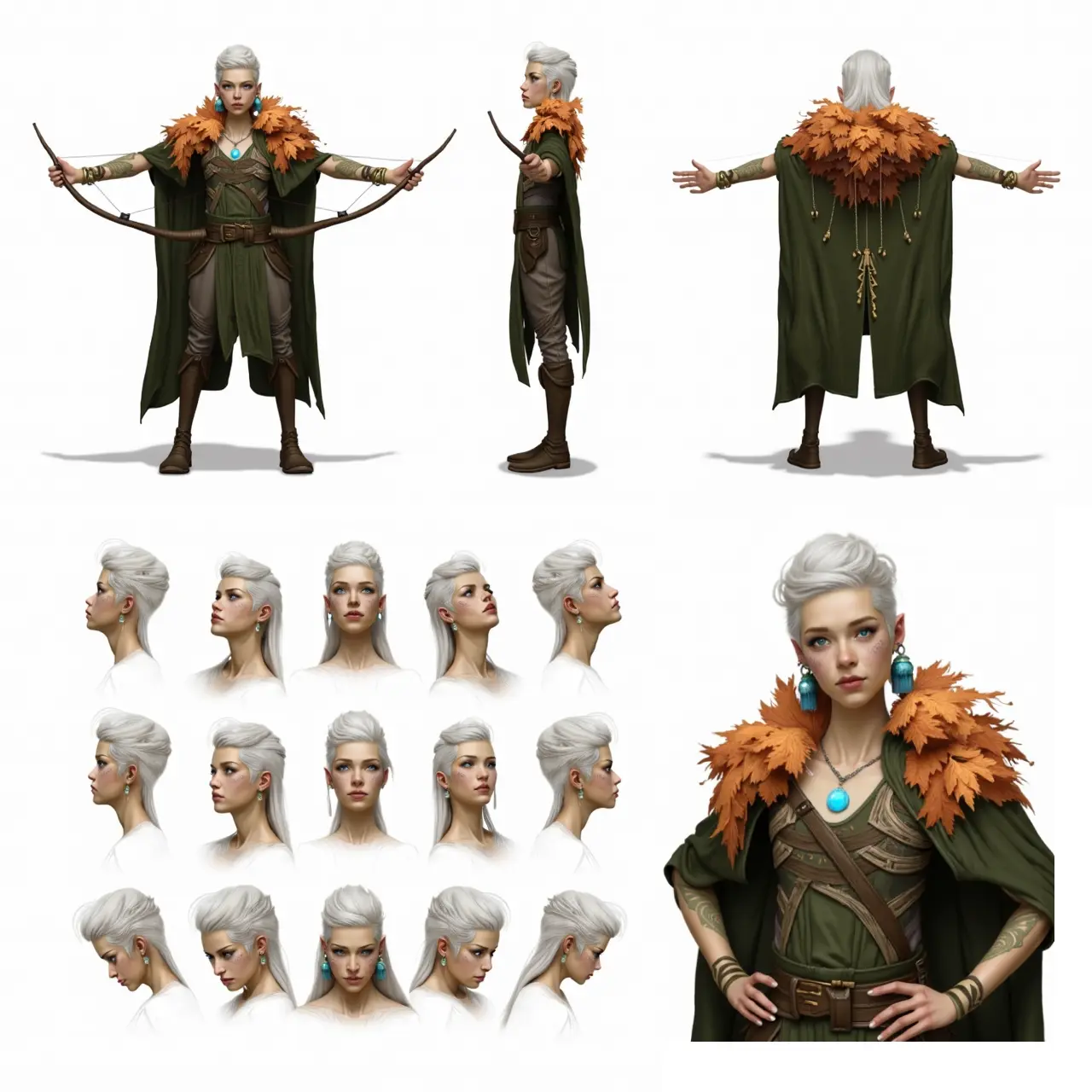
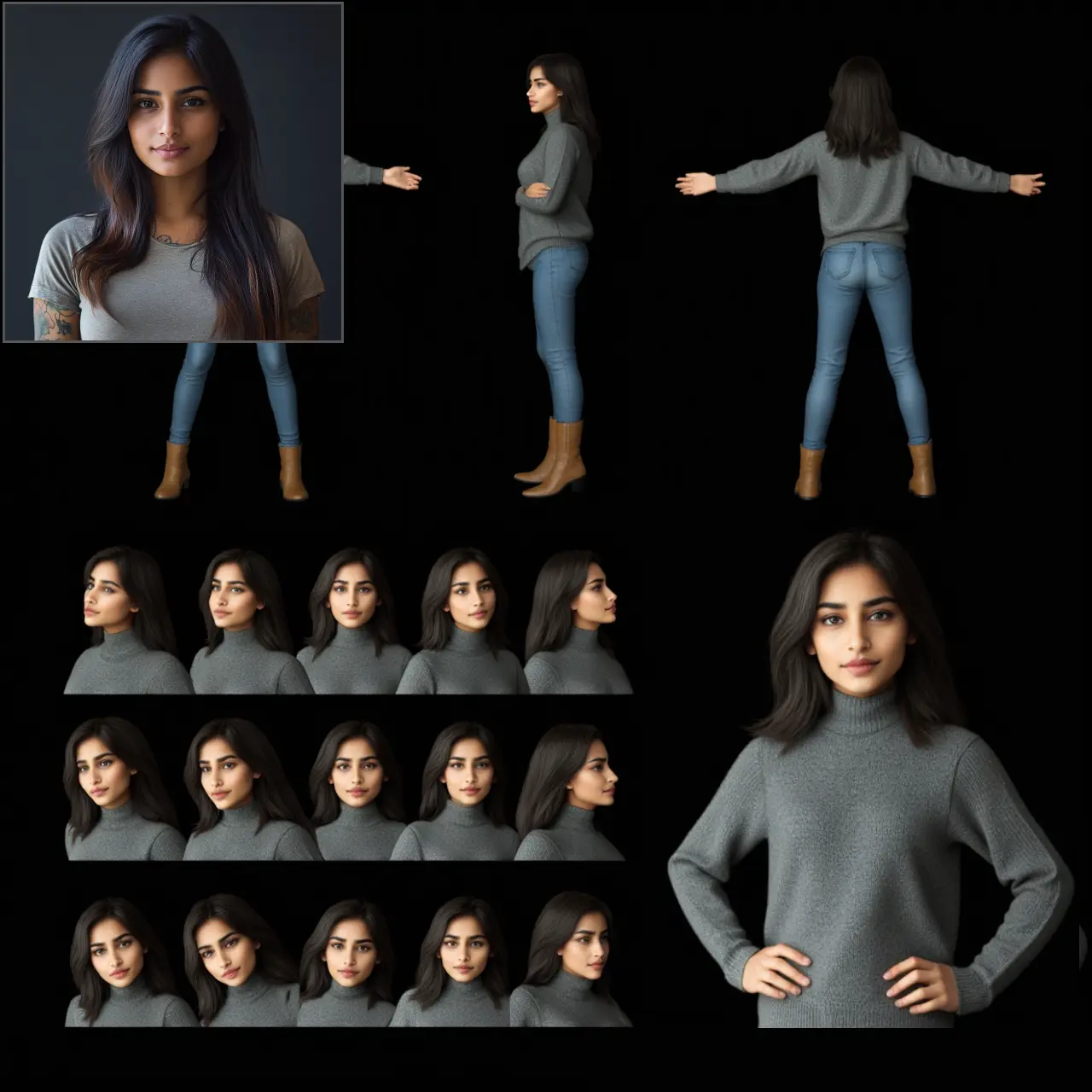
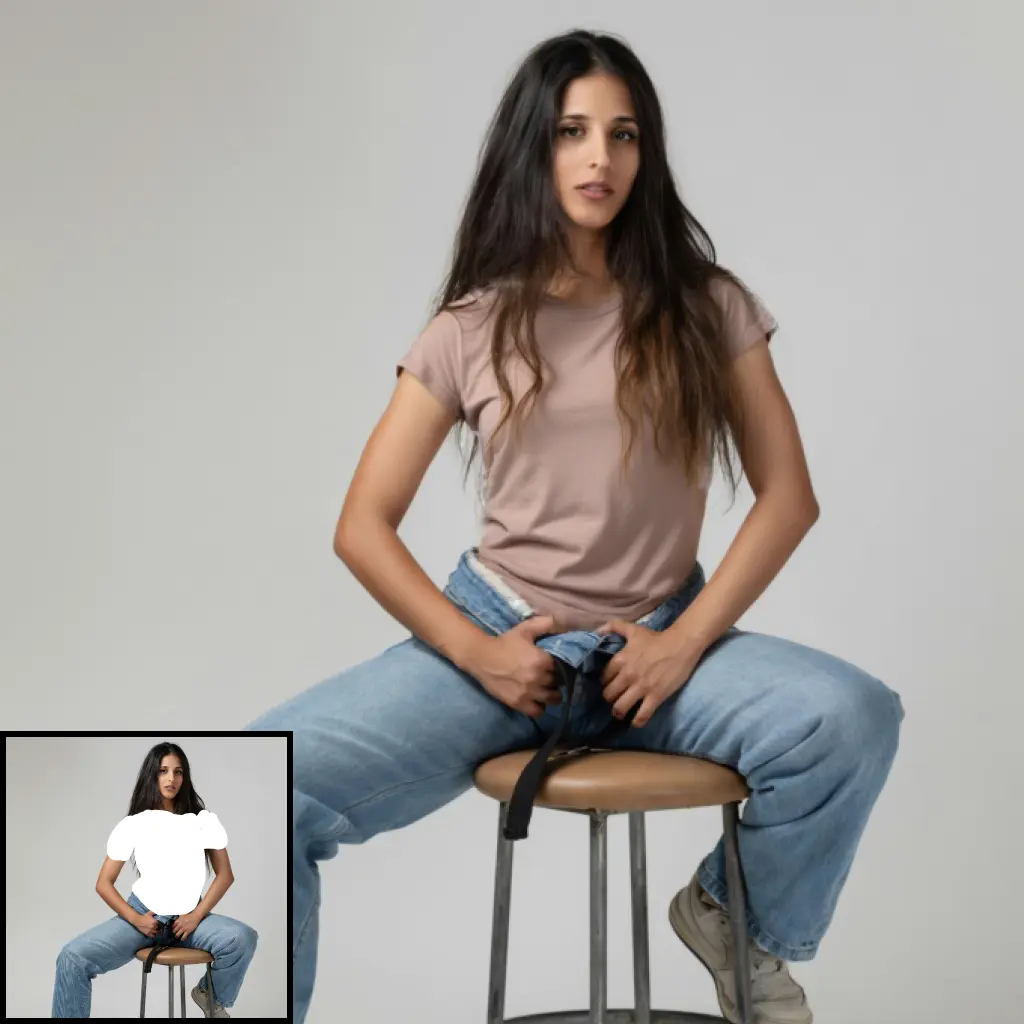
The MinimaxImageToVideoNode is designed to transform a static image into a dynamic video by leveraging advanced AI models. This node allows you to generate videos synchronously by using an initial image as the starting frame and guiding the transformation process with a text prompt. It offers a seamless way to create visually engaging content by combining the power of image processing and text-based guidance. The node is particularly beneficial for artists and creators looking to explore new dimensions of creativity by converting their static artworks into animated sequences. By providing a straightforward interface and a range of model options, it empowers users to experiment with different styles and effects, making it an essential tool for video generation tasks.
MiniMax Image to Video Input Parameters:
image
This parameter represents the initial image that will serve as the first frame of the video generation process. The image acts as the foundation upon which the video is built, influencing the overall aesthetic and style of the resulting animation. There are no specific minimum or maximum values for this parameter, as it accepts any valid image format.
prompt_text
The prompt_text parameter is a multiline text input that guides the video generation process. By providing descriptive text, you can influence the direction and theme of the video, allowing for creative control over the final output. The default value is an empty string, and there are no specific constraints on the length or content of the text, making it a flexible tool for artistic expression.
model
This parameter allows you to select the AI model used for video generation. The available options are "I2V-01-Director", "I2V-01", and "I2V-01-live", with "I2V-01" being the default choice. Each model offers different capabilities and styles, enabling you to tailor the video generation process to your specific needs and preferences.
seed
The seed parameter is an optional integer input that determines the random seed used for creating noise during the video generation process. By setting a specific seed value, you can achieve consistent and reproducible results. The default value is 0, with a minimum of 0 and a maximum of 18,446,744,073,709,551,615. This parameter is particularly useful for experimentation and fine-tuning, as it allows you to explore different variations of the same input.
MiniMax Image to Video Output Parameters:
video
The output of the MinimaxImageToVideoNode is a video file that encapsulates the transformation of the initial image into a dynamic sequence. This video reflects the influence of the provided text prompt and the selected model, showcasing the creative potential of AI-driven video generation. The resulting video can be used for various artistic and commercial purposes, offering a new way to engage audiences with animated content.
MiniMax Image to Video Usage Tips:
- Experiment with different text prompts to explore a wide range of creative possibilities and discover unique video styles.
- Utilize the
seedparameter to achieve consistent results across multiple runs, which is particularly useful for iterative design processes. - Try different models to see how each one affects the video output, allowing you to find the best fit for your artistic vision.
MiniMax Image to Video Common Errors and Solutions:
Invalid image format
- Explanation: The input image is not in a supported format, which prevents the node from processing it correctly.
- Solution: Ensure that the image is in a standard format such as JPEG or PNG before inputting it into the node.
Empty prompt text
- Explanation: The
prompt_textparameter is empty, which may lead to less guided or unexpected video generation results. - Solution: Provide a descriptive text prompt to guide the video generation process and achieve the desired outcome.
Model not found
- Explanation: The selected model is not available or incorrectly specified, causing the node to fail in executing the video generation.
- Solution: Verify that the model name is correctly spelled and available in the list of options provided by the node.