



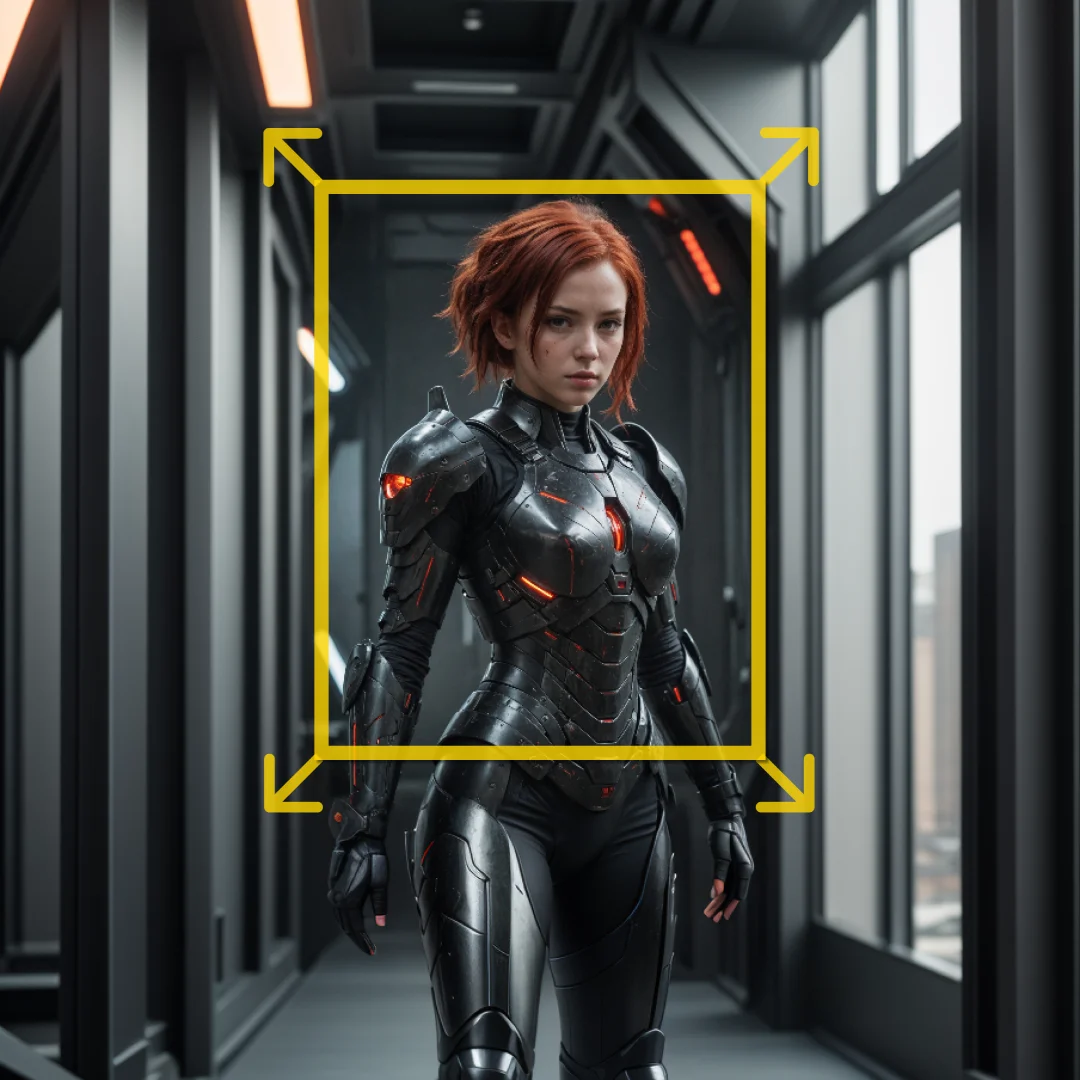

LTXVPreprocess:
The LTXVPreprocess node is designed to handle image preprocessing tasks, specifically focusing on applying a specified level of compression to images. This node is particularly useful in scenarios where image data needs to be optimized for storage or transmission without significantly compromising quality. By allowing you to control the compression level, it provides flexibility in balancing image quality and file size, making it an essential tool for workflows that involve image manipulation and optimization. The main function of this node is to process each image in a batch individually, applying the desired compression level and returning the processed images as output. This capability is crucial for AI artists who need to manage large volumes of image data efficiently.
LTXVPreprocess Input Parameters:
image
The image parameter is the primary input for the LTXVPreprocess node, representing the image data that you wish to preprocess. This parameter accepts image data in a format that the node can process, typically as a tensor or array. The function of this parameter is to provide the raw image data that will undergo compression, and its impact on the node's execution is direct, as the quality and characteristics of the input image will influence the final output after processing.
img_compression
The img_compression parameter allows you to specify the amount of compression to apply to the input image. It is an integer value with a default setting of 35, a minimum of 0, and a maximum of 100. This parameter's function is to control the degree of compression, where a lower value results in less compression (higher quality and larger file size) and a higher value results in more compression (lower quality and smaller file size). Adjusting this parameter impacts the balance between image quality and file size, enabling you to tailor the preprocessing to your specific needs.
LTXVPreprocess Output Parameters:
output_image
The output_image parameter is the result of the preprocessing operation, providing the compressed image data as output. This parameter is crucial as it represents the final processed image that you can use in subsequent steps of your workflow. The importance of this output lies in its optimized form, which retains essential visual information while reducing file size, making it suitable for storage, sharing, or further processing in AI-driven applications.
LTXVPreprocess Usage Tips:
- To achieve optimal image quality while reducing file size, start with the default
img_compressionvalue of 35 and adjust incrementally based on your specific requirements. - When working with a batch of images, ensure that all images are in a compatible format and resolution to maintain consistency in the output results.
LTXVPreprocess Common Errors and Solutions:
Image format not supported
- Explanation: This error occurs when the input image is not in a format that the node can process.
- Solution: Ensure that the input image is in a compatible format, such as a tensor or array, and try again.
Compression value out of range
- Explanation: This error happens when the
img_compressionvalue is set outside the allowed range of 0 to 100. - Solution: Adjust the
img_compressionvalue to be within the specified range and re-run the node.
Batch processing error
- Explanation: This error may occur if the input image batch is not properly structured or contains incompatible images.
- Solution: Verify that all images in the batch are of the same format and resolution, and ensure they are correctly structured for batch processing.