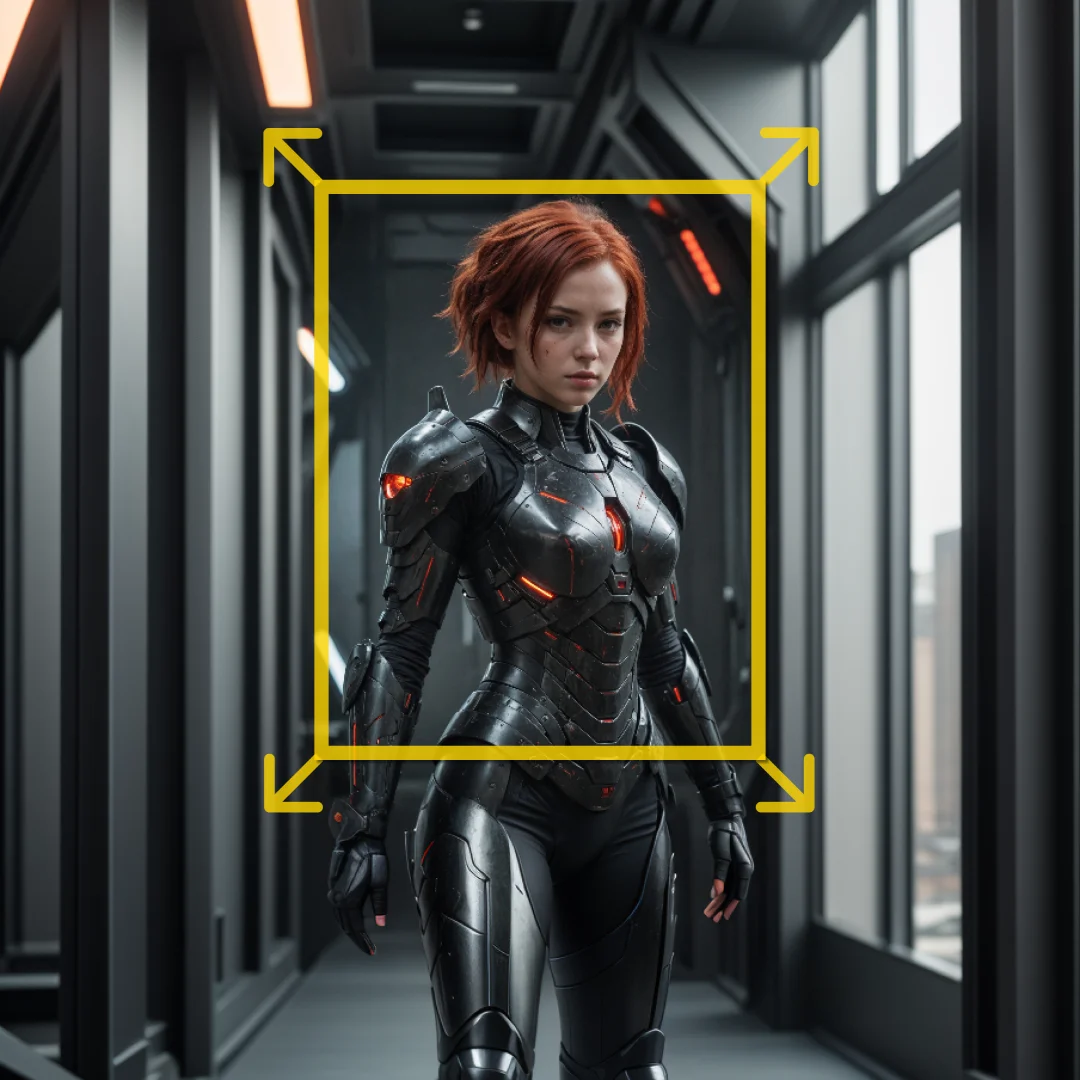
KSampler Batch (CRT):
The CRT_KSamplerBatch node is designed to facilitate batch processing of image sampling tasks within the ComfyUI framework. This node is particularly useful for AI artists who need to generate multiple images simultaneously, leveraging the power of parallel processing to enhance efficiency and productivity. By utilizing this node, you can streamline the process of generating high-quality images from latent representations, making it an essential tool for projects that require large-scale image synthesis. The node's primary function is to manage the sampling process, ensuring that each batch of images is processed with consistent parameters and settings, thereby maintaining uniformity across outputs. This capability is especially beneficial when working with complex models and configurations, as it simplifies the workflow and reduces the potential for errors.
KSampler Batch (CRT) Input Parameters:
model
The model parameter specifies the neural network model used for image generation. It is crucial as it determines the style and quality of the output images. There are no specific minimum or maximum values, but the model must be compatible with the ComfyUI framework.
seed
The seed parameter is a numerical value that initializes the random number generator, ensuring reproducibility of results. By using the same seed, you can generate identical outputs across different runs. The default value is typically set by the user, and it can be any integer.
steps
The steps parameter defines the number of iterations the model will perform during the sampling process. More steps generally lead to higher quality images but require more computational resources. The minimum value is usually 1, with no strict maximum, though practical limits depend on available hardware.
cfg
The cfg parameter, or configuration scale, adjusts the influence of the conditioning input on the generated image. Higher values make the output more closely follow the input prompt, while lower values allow for more creative freedom. The typical range is from 1 to 20, with a default value often around 7.
sampler_name
The sampler_name parameter specifies the algorithm used for sampling. Different samplers can produce varying results in terms of speed and quality. Common options include DDIM, PLMS, and others, depending on the implementation.
scheduler
The scheduler parameter manages the scheduling of sampling steps, affecting how noise is reduced over iterations. It is essential for controlling the denoising process and can significantly impact the final image quality.
positive
The positive parameter is a conditioning input that guides the model towards desired features in the output image. It is typically a text prompt or feature map that the model uses to influence the generation process.
latent_image
The latent_image parameter provides an initial latent representation from which the image generation process begins. It serves as the starting point for the model to refine and produce the final output.
denoise
The denoise parameter controls the level of noise reduction applied during sampling. A value of 1.0 means full denoising, while lower values retain more noise, potentially leading to more abstract results. The default is usually 1.0.
mode
The mode parameter determines the operational mode of the batch processing, such as "Batch (Parallel)" for simultaneous processing of multiple images. This setting affects how resources are allocated and can influence processing speed.
use_same_seed
The use_same_seed parameter is a boolean that, when set to true, applies the same seed across all images in the batch, ensuring uniformity. If false, each image can have a different seed, leading to more varied outputs.
negative
The negative parameter is an optional conditioning input that specifies features to avoid in the generated image. It acts as a counterbalance to the positive input, refining the model's output.
KSampler Batch (CRT) Output Parameters:
samples
The samples output parameter provides the high-noise latent representations generated during the initial stages of sampling. These samples are crucial for understanding the model's initial interpretation of the input conditions.
final_latent_batch_out
The final_latent_batch_out parameter contains the refined latent representations after the full sampling process. These are the final versions used to generate the output images, representing the model's best attempt at meeting the input conditions.
images_out
The images_out parameter delivers the decoded images from the latent representations. These are the visual outputs that you can view and analyze, representing the culmination of the sampling process.
grid_out
The grid_out parameter, if applicable, provides a comparison grid of images when multiple batches are processed. This grid is useful for visually comparing different outputs side by side, especially when experimenting with various settings.
settings_str
The settings_str parameter is a string that summarizes the settings used during the batch sampling process. It includes dimensions, frame count, batch count, and seed range, serving as a reference for the conditions under which the images were generated.
KSampler Batch (CRT) Usage Tips:
- To ensure consistent results across different runs, use the same
seedvalue for reproducibility. - Experiment with different
cfgvalues to balance between adhering to the input prompt and allowing creative freedom in the output. - Utilize the
modeparameter to optimize resource allocation based on your hardware capabilities, especially when processing large batches. - Leverage the
positiveandnegativeparameters to fine-tune the model's output, guiding it towards desired features while avoiding unwanted ones.
KSampler Batch (CRT) Common Errors and Solutions:
"Model not compatible"
- Explanation: The specified model is not compatible with the ComfyUI framework.
- Solution: Ensure that the model is correctly installed and compatible with the framework version you are using.
"Invalid seed value"
- Explanation: The seed value provided is not a valid integer.
- Solution: Check that the seed is an integer and within the acceptable range for your system.
"Insufficient steps"
- Explanation: The number of steps is too low to produce a quality image.
- Solution: Increase the
stepsparameter to allow the model more iterations for refining the image.
"Scheduler error"
- Explanation: The scheduler parameter is not set correctly, affecting the denoising process.
- Solution: Verify that the scheduler is correctly configured and compatible with the chosen sampler.