


qwen-edit-2509/lora/multiple-angles
Multi-angle image editing with precision control and seamless visual consistency
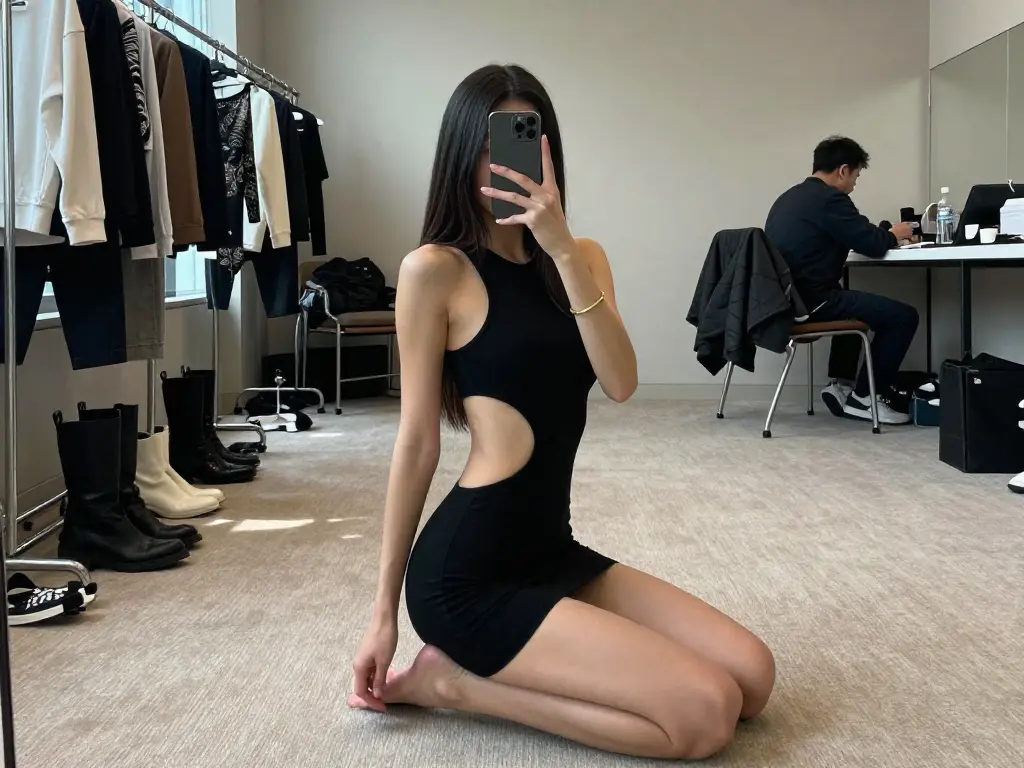
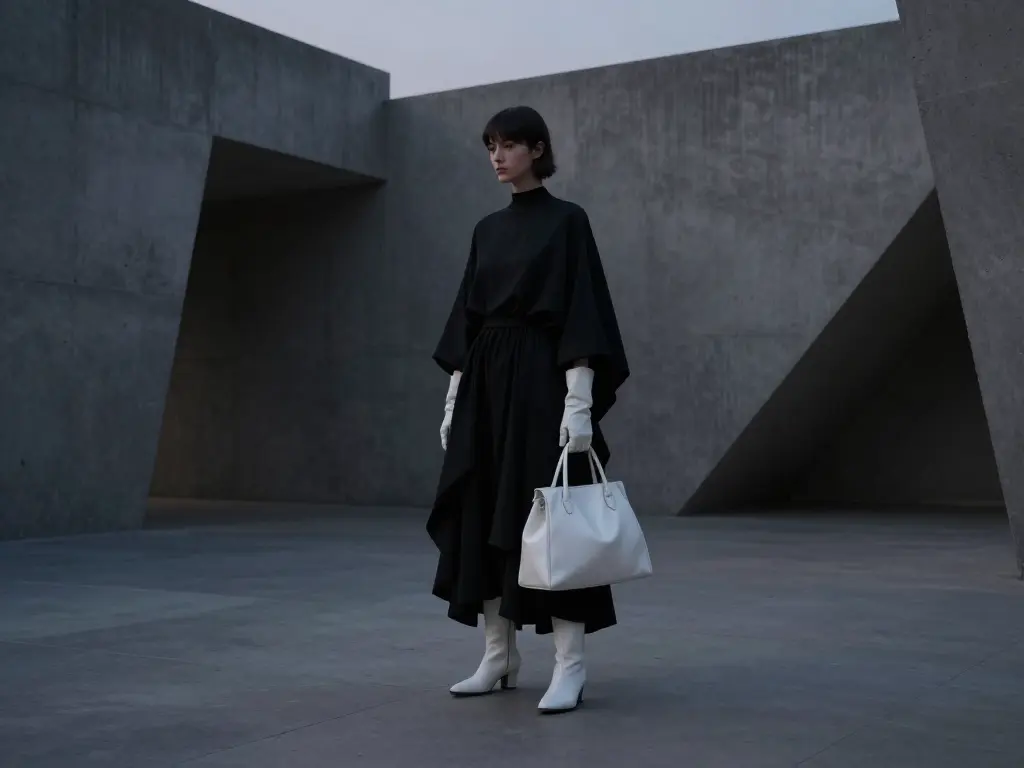
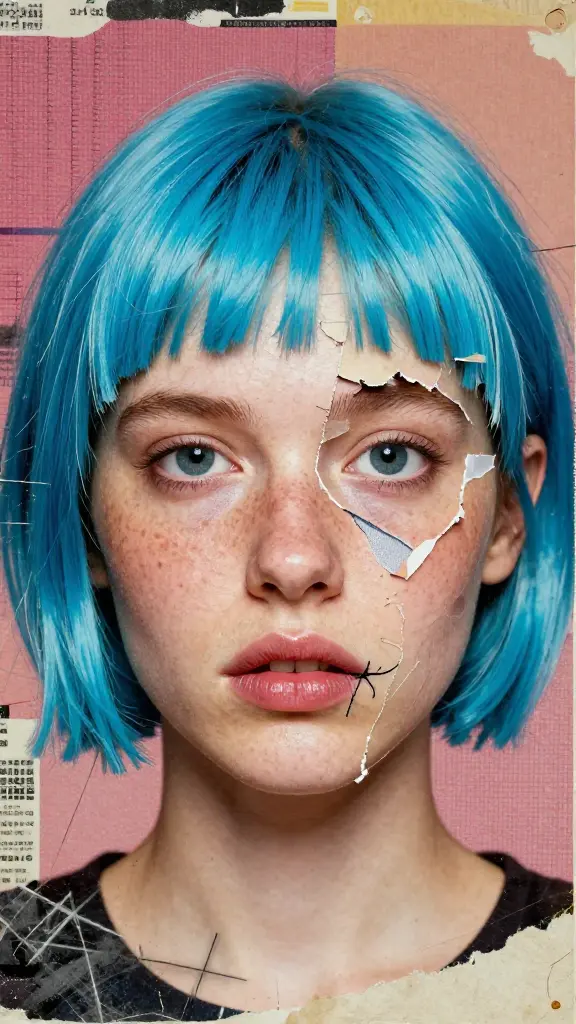
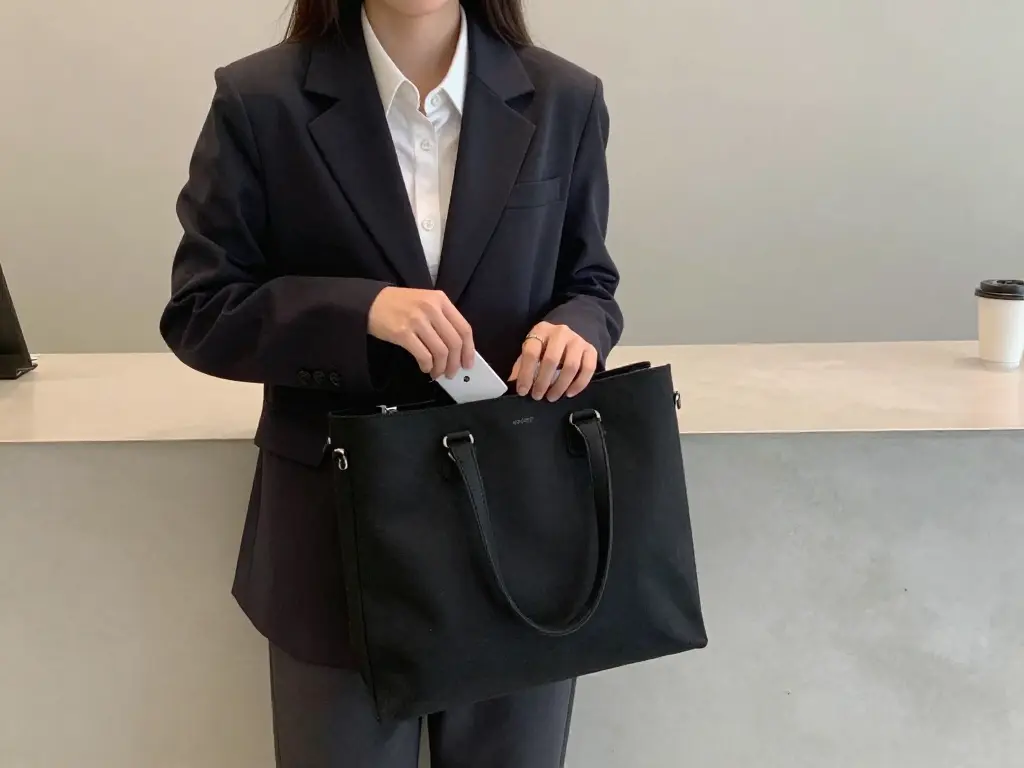
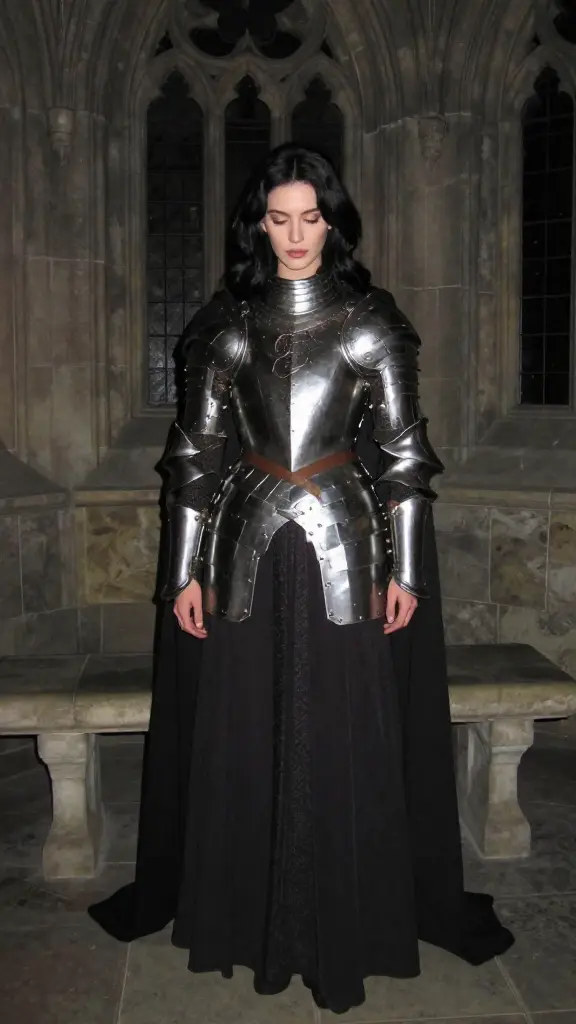
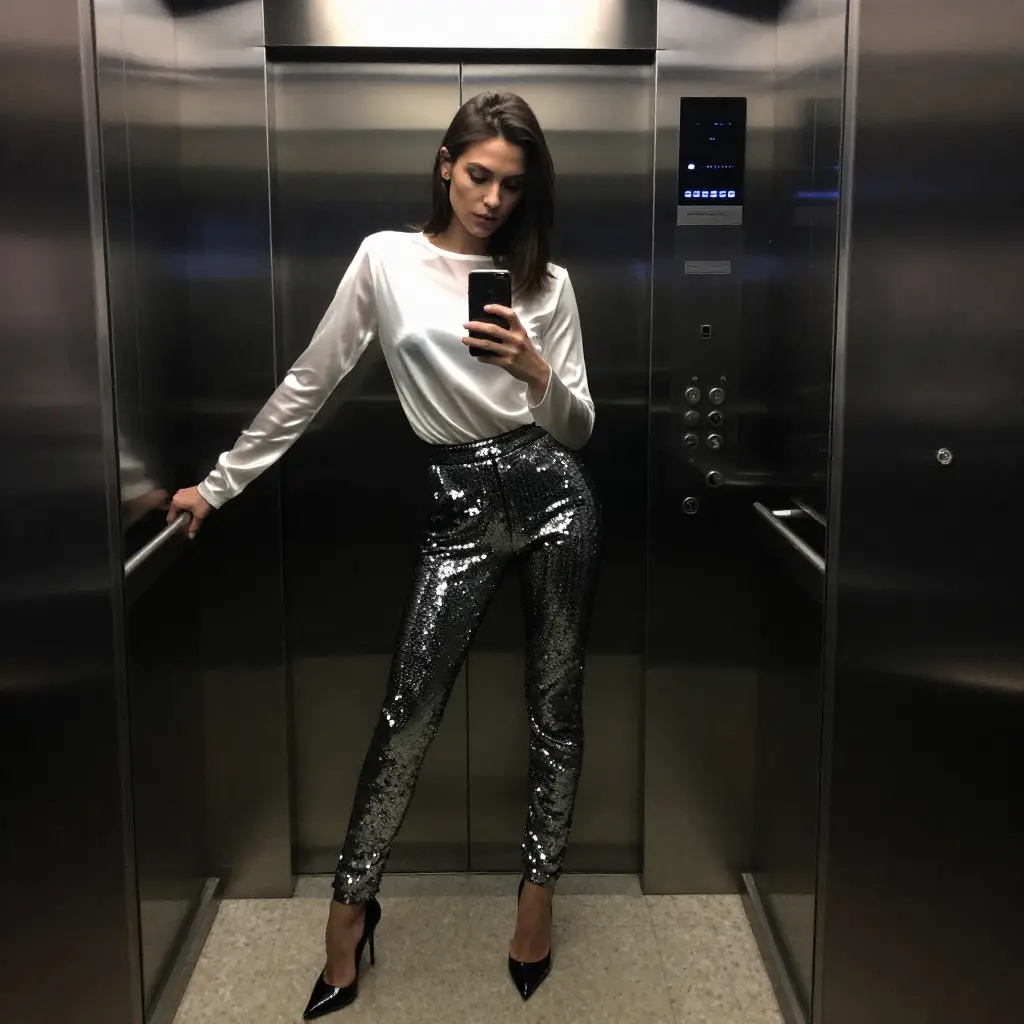
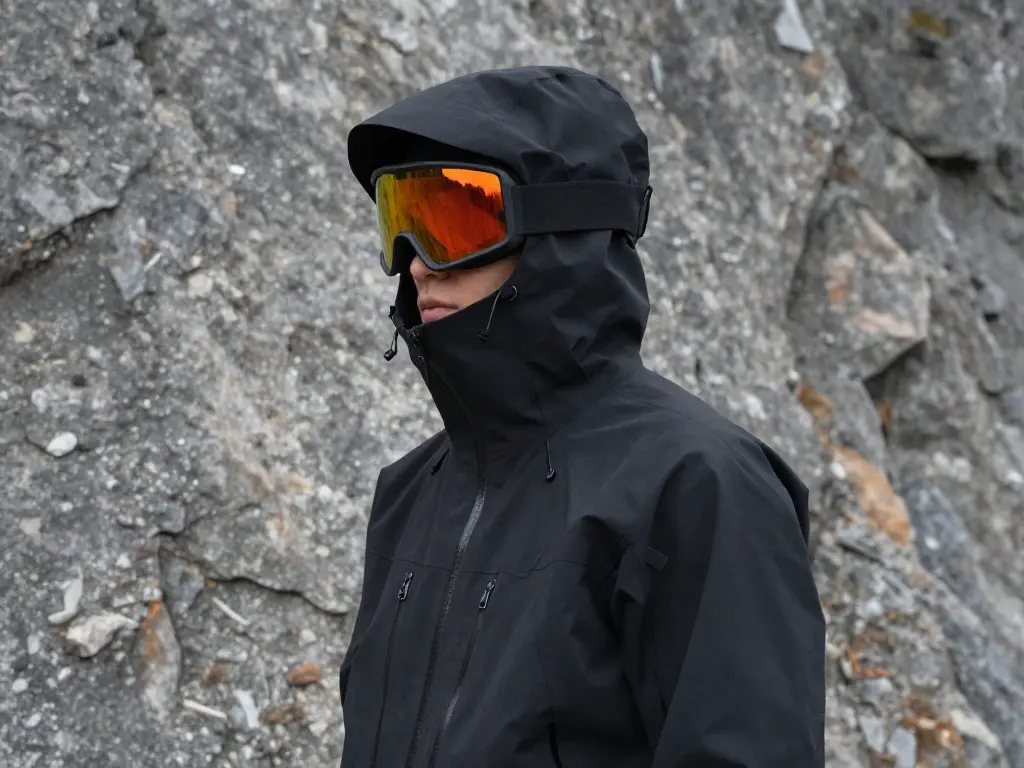
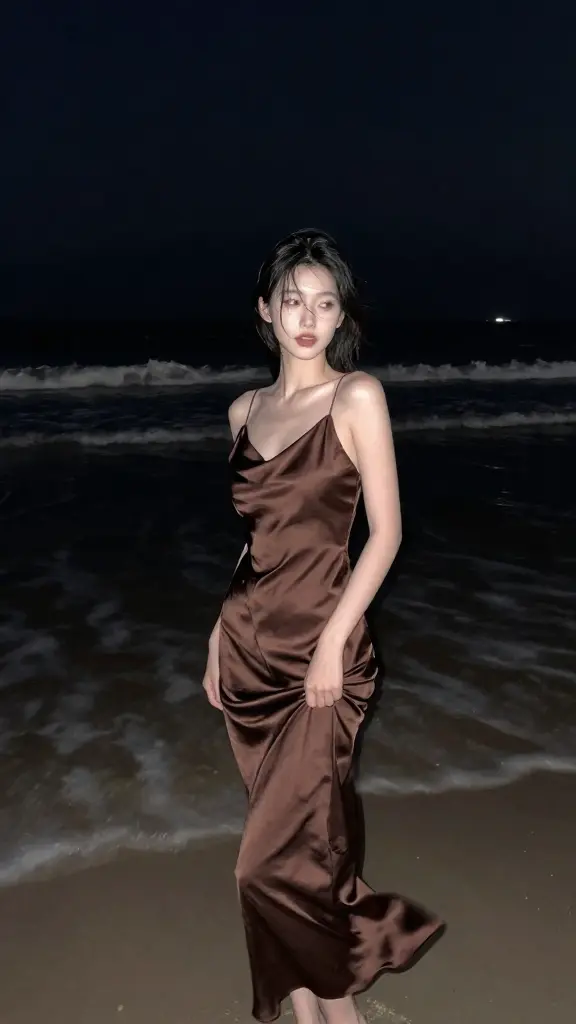

Multi-angle image editing with precision control and seamless visual consistency
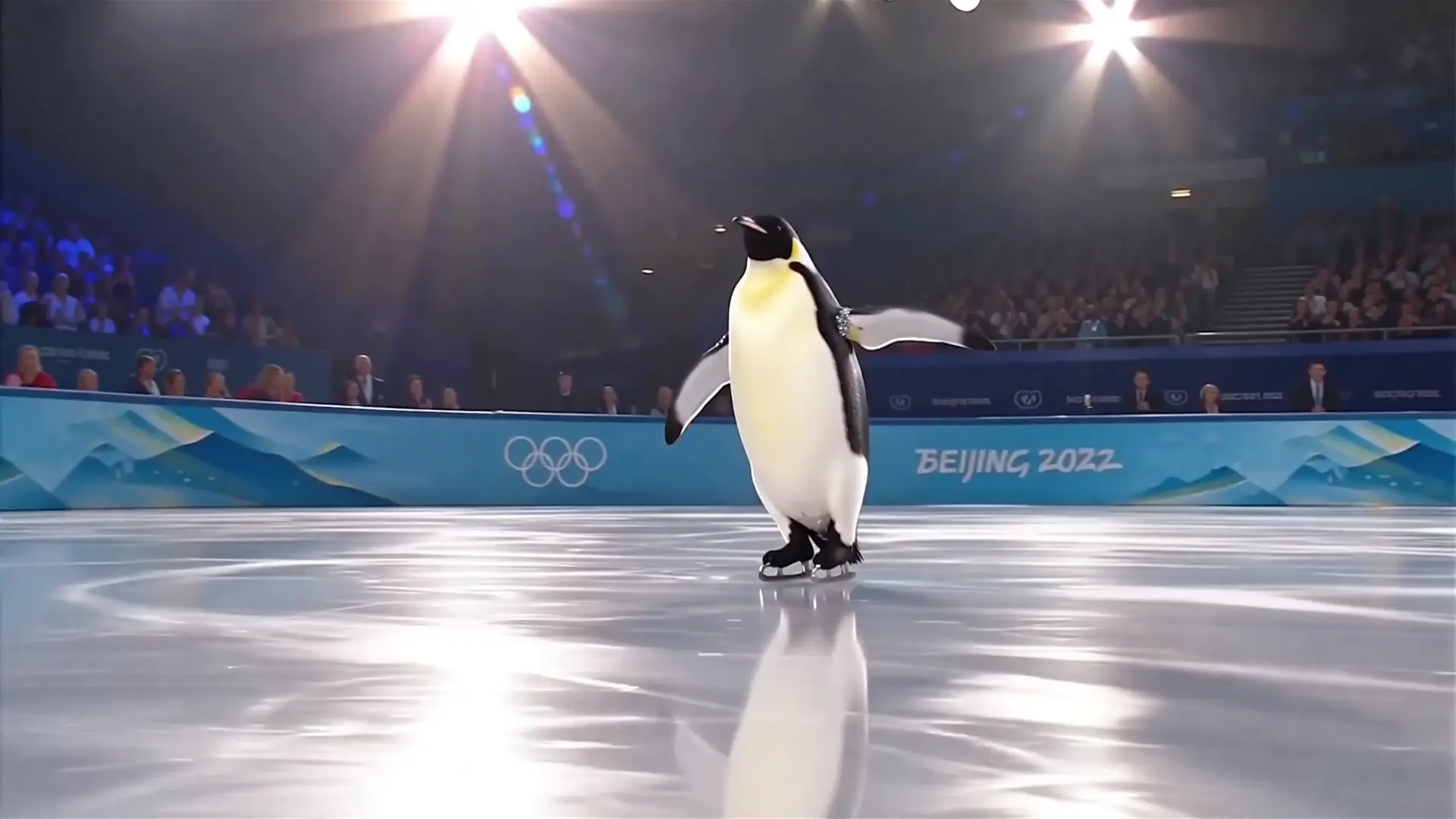
Generate images from text prompts with Wan 2.5 Preview.

Generate photorealistic images from text with Google Imagen 4 Ultra.

Create precise, consistent visuals with 4K detail and adaptive text-to-image rendering for design and production needs.

Refine images with adaptive style control, LoRA merging, and high-res rendering for consistent design output.
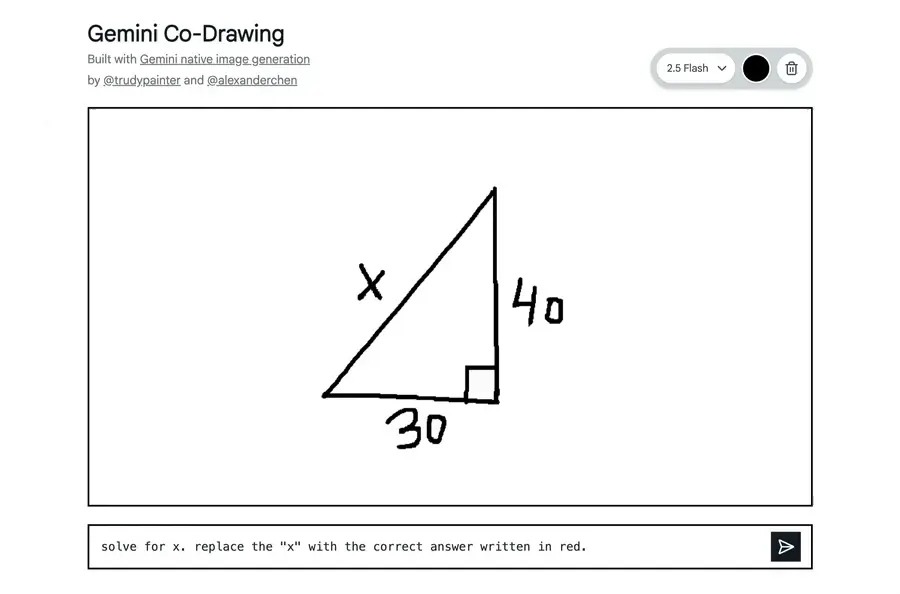
Edit and blend images with prompts using Google Nano Banana.
Z Image Turbo Image to Image is a high-performance AI model built for fast and accurate text-based or image-to-image visual generation. It uses a distilled 6-billion parameter S3-DiT architecture that balances speed, bilingual capabilities, and high fidelity across Chinese and English outputs.
Z Image Turbo Image to Image performs image-to-image transformation by understanding both visual and textual cues in a single unified stream. This ensures high consistency in style, lighting, and object placement while maintaining sub-second rendering speed on supported GPUs.
Z Image Turbo Image to Image offers a free trial with complimentary credits for new users through the Runcomfy playground. After the trial, you will need to spend credits based on the generation policy listed in the platform’s 'Generation' section.
Z Image Turbo Image to Image is ideal for designers, marketers, photographers, and developers who need fast, high-quality bilingual image-to-image or text-to-image results. It’s especially useful for product visuals, mockups, and multilingual content creation.
Z Image Turbo Image to Image runs efficiently on GPUs with as little as 16 GB VRAM and supports Apple Silicon via MPS. It’s optimized for enterprise GPUs such as H100/H800, but can also operate smoothly on local or web deployments.
Z Image Turbo Image to Image differentiates itself with its 8-step inference and S3-DiT backbone, allowing faster image generation and more accurate text rendering than many larger or slower models. It retains top-tier quality while being resource-friendly.
Z Image Turbo Image to Image delivers photorealistic images suitable for portraits, product renders, and complex scene compositions. It’s also capable of embedding bilingual text directly and clearly into the generated imagery.
You can access Z Image Turbo Image to Image through the Runcomfy AI playground at runcomfy.com/playground. The tool works well on mobile browsers and supports both logged-in and credit-based usage.
While Z Image Turbo Image to Image achieves excellent quality with reduced latency, the output may vary for highly abstract or unusual prompts. The model focuses on realism and prompt fidelity, so extremely stylized or experimental results may require fine-tuning.